
A Beginner’s Guide to Reading Nutrition Labels Like a Pro
Introduction to Nutrition Labels
Feature Video
Understanding how to read nutrition labels is a game-changer for anyone looking to make healthier food choices. In today’s fast-paced world, where processed foods dominate supermarket shelves, nutrition labels serve as your roadmap to better eating habits. Whether you’re managing weight, controlling diabetes, or simply aiming for a balanced diet, mastering nutrition label reading empowers you to decode marketing claims and select nutrient-dense options. This beginner’s guide will break down every section of the nutrition facts label, explain key terms, and share pro tips to help you shop smarter. By the end, you’ll read labels like a nutritionist.
The nutrition facts label, mandated by the FDA in the US (and similar regulations worldwide), provides critical information about calories, macronutrients, vitamins, and more. Updated in 2020, the new label emphasizes added sugars, realistic serving sizes, and clearer daily value percentages. Keywords like “nutrition facts,” “how to read food labels,” and “decoding nutrition labels” are essential for anyone starting this journey. Let’s dive into the components step by step.
Understanding Serving Size and Servings Per Container

The top of every nutrition label starts with “Serving Size” and “Servings Per Container.” This is crucial because all nutritional data below is based on one serving—not the entire package. Manufacturers often use tiny serving sizes to make products appear healthier. For example, a bag of chips might list 150 calories per 1 oz serving, but contain 10 servings, totaling 1,500 calories.
Compare serving sizes to what you actually eat. If you’re sharing a pint of ice cream labeled for 4 servings but eat half, double the calories and nutrients listed. Pro tip: Use the “% Daily Value” (%DV) column to gauge if a serving fits your needs—aim for 5% DV or less for nutrients you want to limit (like sodium) and 20% or more for those to boost (like fiber). This section alone can prevent overeating pitfalls common among beginners learning to read nutrition labels.
Calories: The Energy Breakdown
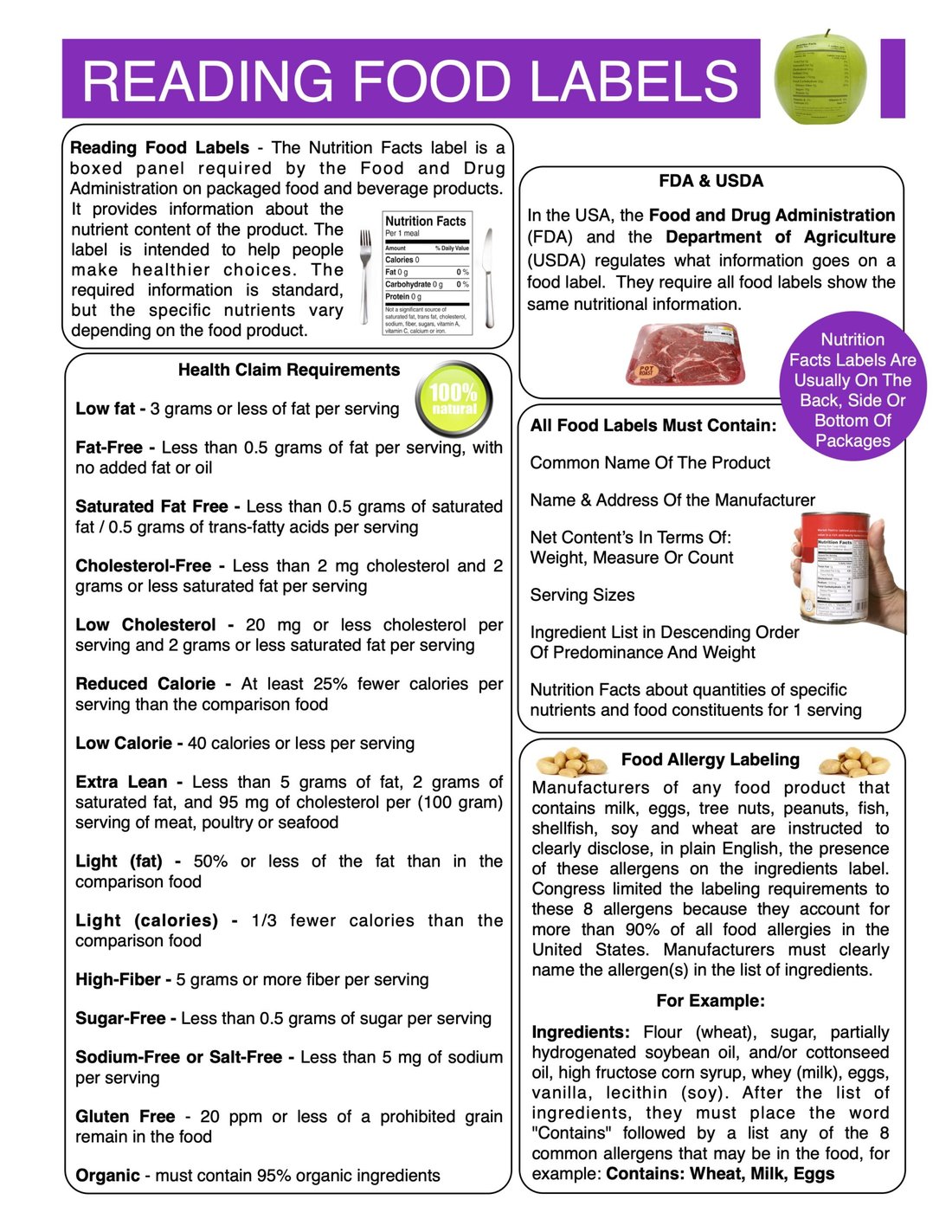
Calories indicate energy provided by one serving. The label distinguishes “Calories from Fat” in older formats, but the updated version focuses on total calories. Average adults need 2,000 calories daily, but this varies by age, sex, and activity level. A food with 400+ calories per serving is high—think of it as 20% of your daily intake.
Don’t fear calories; context matters. A 300-calorie avocado is nutrient-packed with healthy fats, while 300 calories from candy are mostly empty. When reading nutrition labels like a pro, pair calorie counts with macronutrients to assess quality. SEO note: Searching “calories on nutrition labels” often leads here, as it’s a top concern for weight management.
Macronutrients: Fats, Carbohydrates, and Protein

Fats: Total fat includes saturated, trans, and unsaturated types. Limit saturated fats to less than 10% of daily calories (about 20g on a 2,000-calorie diet) and avoid trans fats entirely—they raise heart disease risk. Look for unsaturated fats from nuts or olive oil.
Carbohydrates: Total carbs encompass fiber, sugars, and starches. Fiber (aim for 28g daily) aids digestion; soluble fiber lowers cholesterol. Sugars are split into “Total Sugars” and “Added Sugars”—the latter, newly highlighted, should be under 50g daily (10% of calories). Skip products with added sugars first on the ingredients list.
Protein: Essential for muscle repair, target 46-56g daily. Plant-based eaters, check for complete proteins in quinoa or soy. High-protein snacks (10g+ per serving) curb hunger effectively.
Mastering these macros transforms how you read food labels for balanced meals. For instance, Greek yogurt shines with high protein and low added sugars compared to regular varieties.
% Daily Value: Your Personal Benchmark
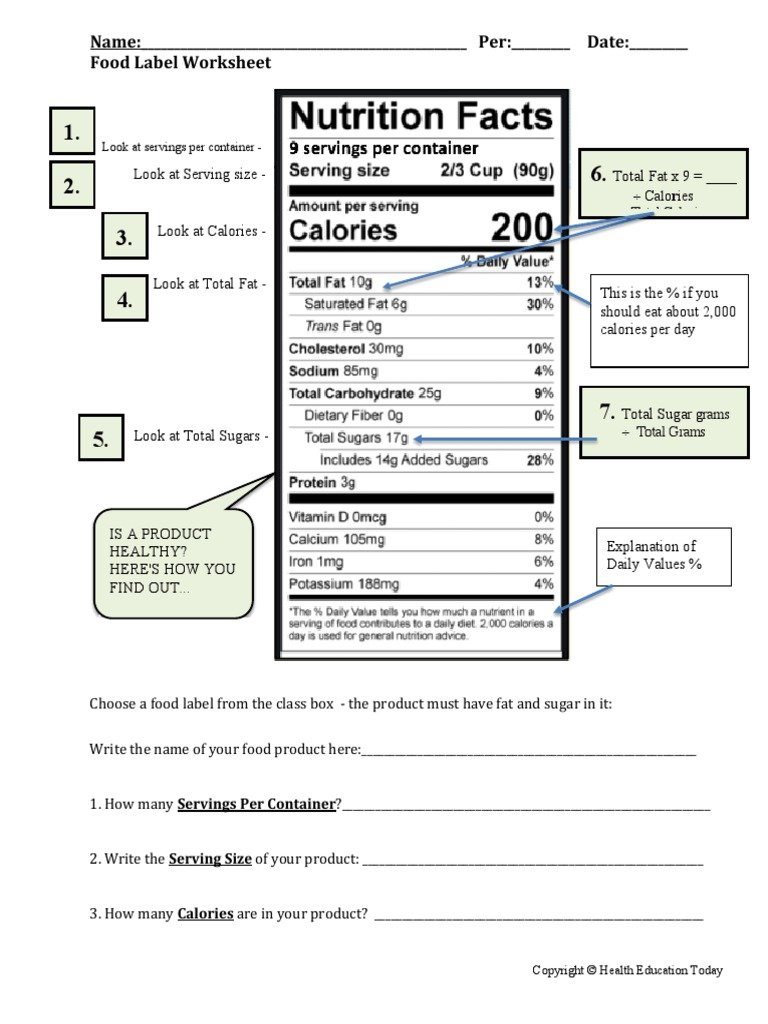
The %DV shows how much a nutrient contributes to a 2,000-calorie diet. It’s a quick reference: 5% or less is low, 20% or more is high. Updated labels use bolder fonts for key nutrients like potassium and vitamin D, now listed due to widespread deficiencies.
Customize mentally: Athletes may need more carbs, while low-sodium diets cap intake at 1,500mg daily. When shopping, scan %DV first for sodium (under 140mg is low), cholesterol (under 300mg), and fiber (high is best). This metric demystifies nutrition labels for beginners.
The Ingredients List: Beyond Numbers
Ingredients are listed by weight, descending order—first is most abundant. Short lists signal whole foods; long ones with chemicals suggest processing. Watch for hidden sugars: corn syrup, dextrose, maltose. “Natural flavors” can mask additives.
Allergens like milk, eggs, peanuts must be bolded. Organic or non-GMO claims require verification. Pro hack: If sugar (or synonyms) appears multiple times, it’s loaded. This qualitative read complements quantitative nutrition facts.
Micronutrients and Footnotes
Vitamins and minerals like iron (18mg DV), calcium (1,300mg), and vitamin D (20mcg) support health. Fortified cereals boost these, but whole foods like spinach excel naturally. The footnote explains %DV basis and adjustable calorie needs (1,200-3,200).
Claims like “low fat” (under 3g/serving) or “high fiber” (5g+/serving) are regulated, but “healthy” has strict criteria. Ignore vague “lightly sweetened” without label proof.
Common Mistakes When Reading Nutrition Labels

Beginners often overlook serving sizes, confusing per-package totals. Multigrain bread might seem healthy but hides added sugars. Ignoring order in ingredients leads to tricked choices. Sodium disguises in broths; check always. Emotional eating skips labels—habituate scanning in-store.
Another pitfall: Zero trans fat claims allow <0.5g, accumulating dangerously. Always verify ingredients for partially hydrogenated oils.
Pro Tips for Reading Nutrition Labels Like a Nutritionist
1. Start top-down: Serving size first. 2. Prioritize fiber/protein over low-cal hype. 3. Choose <5g added sugar/serving. 4. Flip to ingredients for quality. 5. Compare similar products side-by-side. 6. Use apps like MyFitnessPal for scans. 7. Focus on whole foods with minimal ingredients. 8. Track weekly for patterns.
For SEO, integrate terms like “nutrition label tips,” “food label guide.” Practice on staples: Cereals often overload sugar; yogurts vary wildly.
Special Considerations: Diets and Certifications
Keto? Low carbs/net carbs (total minus fiber). Vegan? Scan for animal derivatives. Gluten-free must be certified. Low-FODMAP for IBS needs fructan checks. Certifications like USDA Organic or Non-GMO Project add trust.
International labels differ—EU emphasizes per 100g; Canada lists vitamins prominently. Travel-savvy readers adapt quickly.
Conclusion: Empower Your Choices
Reading nutrition labels like a pro isn’t innate—it’s learned. From serving sizes to %DV and ingredients, each element equips you against misleading packaging. Consistent practice yields intuitive shopping, better health, and savings on junk. Share this guide; start today. Your body thanks informed decisions.
(Word count: 1,248)