
10 ‘Healthy’ Foods That Are Secretly Sabotaging Your Diet
In today’s health-conscious world, we’re bombarded with marketing claims labeling certain foods as “healthy,” “natural,” or “low-fat.” But many of these so-called superfoods are loaded with hidden sugars, unhealthy fats, sodium, or calories that can derail your diet goals. Whether you’re trying to lose weight, manage blood sugar, or simply eat better, these imposters can sabotage your efforts without you even realizing it. This article uncovers 10 popular “healthy” foods that are secretly working against you, backed by nutritional insights and expert advice. We’ll break down why they’re problematic and offer smarter alternatives to keep your diet on track. Reading labels and understanding ingredients is key to avoiding these traps.
1. Flavored Yogurt
Feature Video
Flavored yogurts are marketed as protein-packed breakfast staples or guilt-free snacks, often boasting live cultures and low-fat options. However, a single 6-ounce serving can contain 15-25 grams of added sugar—more than a candy bar! Brands like Yoplait or Chobani flips hide sugars under names like cane juice or fruit puree, spiking blood sugar and promoting fat storage. The American Heart Association recommends no more than 25 grams of added sugar daily for women and 36 for men, so one yogurt can max you out.
Opt for plain, full-fat Greek yogurt and add fresh berries or a drizzle of honey yourself. This keeps sugar under control while providing probiotics and satiety. Studies from the Journal of Nutrition show plain yogurt supports gut health without the crash.
2. Granola
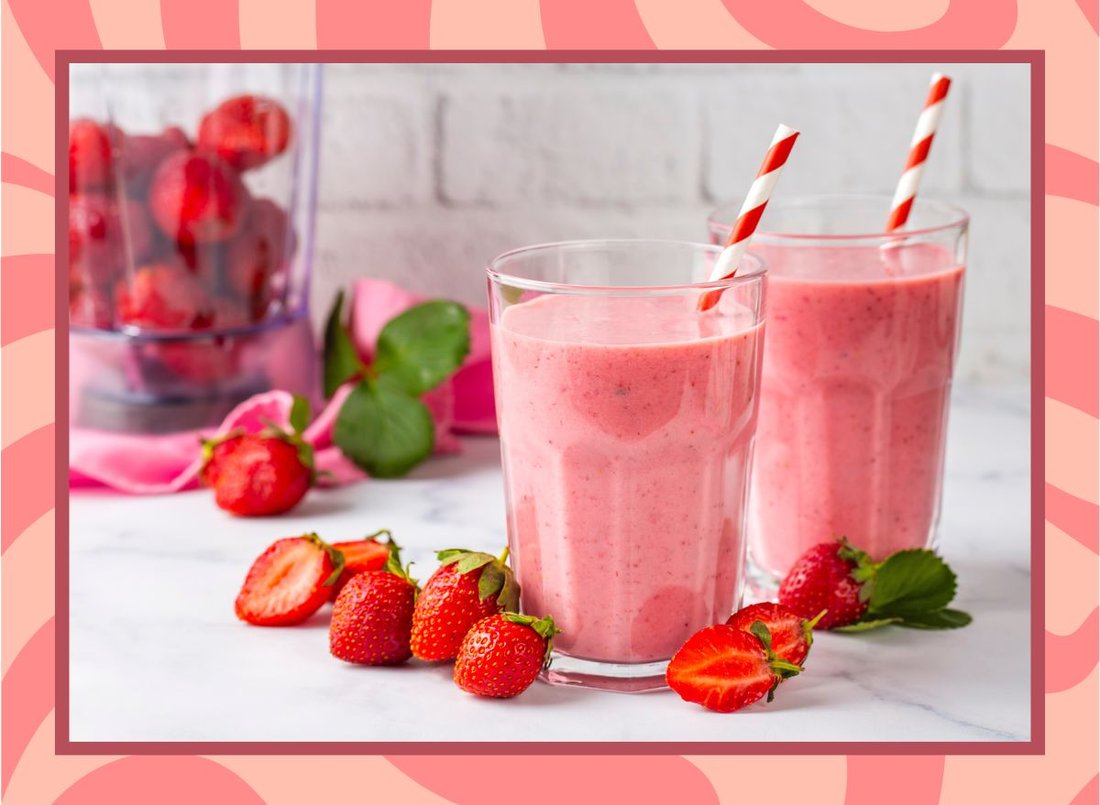
Granola seems wholesome with oats, nuts, and dried fruits, perfect for yogurt or trail mix. But commercial varieties are calorie-dense bombs: a half-cup serving packs 200-600 calories, mostly from oils, honey, and brown sugar coatings. Kellogg’s or Nature Valley granolas often exceed 20 grams of sugar per serving, turning “healthy” breakfast into dessert.
Make your own by baking rolled oats with cinnamon, nuts, and a touch of olive oil—no added sugars. This slashes calories by 50% and retains fiber benefits for digestion and cholesterol control, per Harvard Health research.
3. Fruit Juice

Even “100% juice” is touted as vitamin-rich hydration, but it’s essentially liquid sugar without fiber. An 8-ounce glass of orange juice has 24 grams of sugar and 110 calories, equivalent to soda. Without pulp’s fiber, it causes rapid blood sugar spikes, insulin resistance, and weight gain, as noted in a BMJ study linking juice to obesity.
Switch to whole fruits or infused water. Eat an apple for the same vitamins plus fiber that slows absorption, helping maintain steady energy and curb overeating.
4. Energy Bars
Energy bars promise sustained fuel for workouts, but most are glorified candy bars with soy protein isolates, corn syrup, and chocolate coatings. A Clif Bar can have 20-45 grams of sugar and 250 calories, undermining post-gym recovery by promoting inflammation.
Choose bars under 10 grams sugar with whole ingredients like nuts and dates, or DIY with almonds and dark chocolate. The Academy of Nutrition and Dietetics emphasizes real food for true energy.
5. Veggie Chips

These colorful crisps from beets or kale sound nutritious, but they’re deep-fried in seed oils and salted heavily—up to 200mg sodium per ounce, plus refined carbs. Brands like Terra chips offer little more fiber than potato chips, leading to bloating and hypertension risks.
Bake your own kale chips with olive oil spray. This preserves antioxidants without excess oil, supporting heart health as per USDA guidelines.
6. Low-Fat Salad Dressings
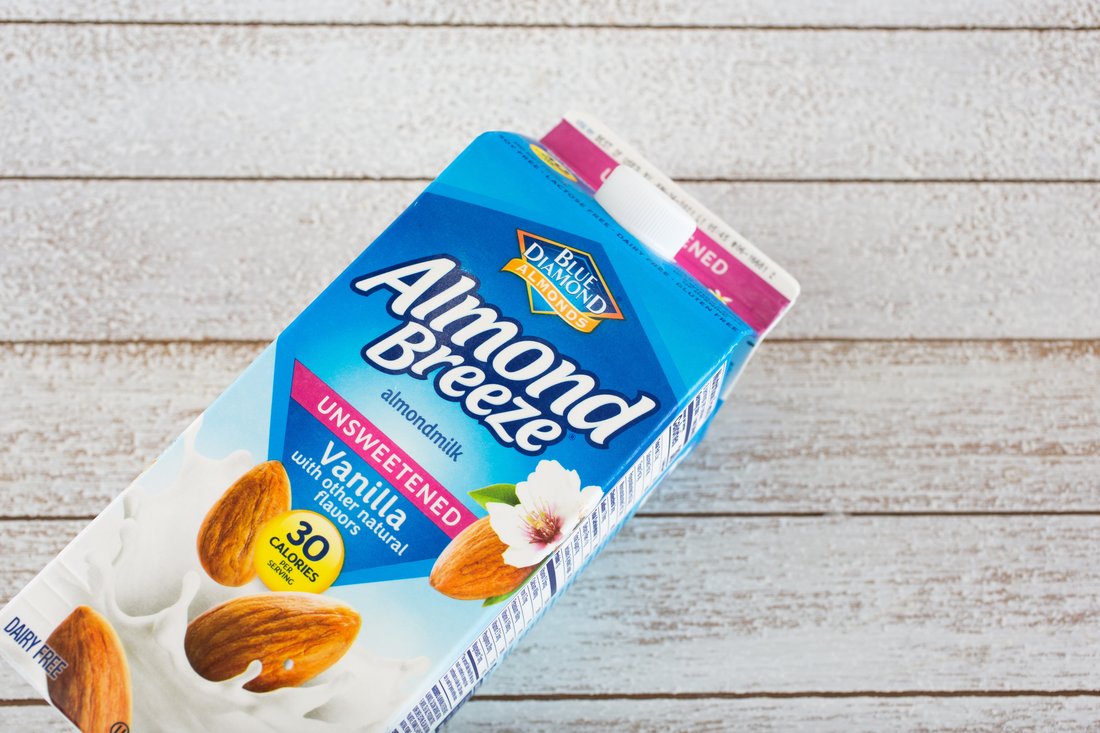
To cut calories, low-fat dressings replace oil with sugar, thickeners, and sodium. A tablespoon of Ken’s Light Italian has 8 grams sugar and 290mg sodium, turning salads into high-glycemic meals that sabotage weight loss.
Use olive oil and vinegar or lemon—healthy fats enhance nutrient absorption from veggies, per a study in the American Journal of Clinical Nutrition, promoting fullness without spikes.
7. Dried Fruit
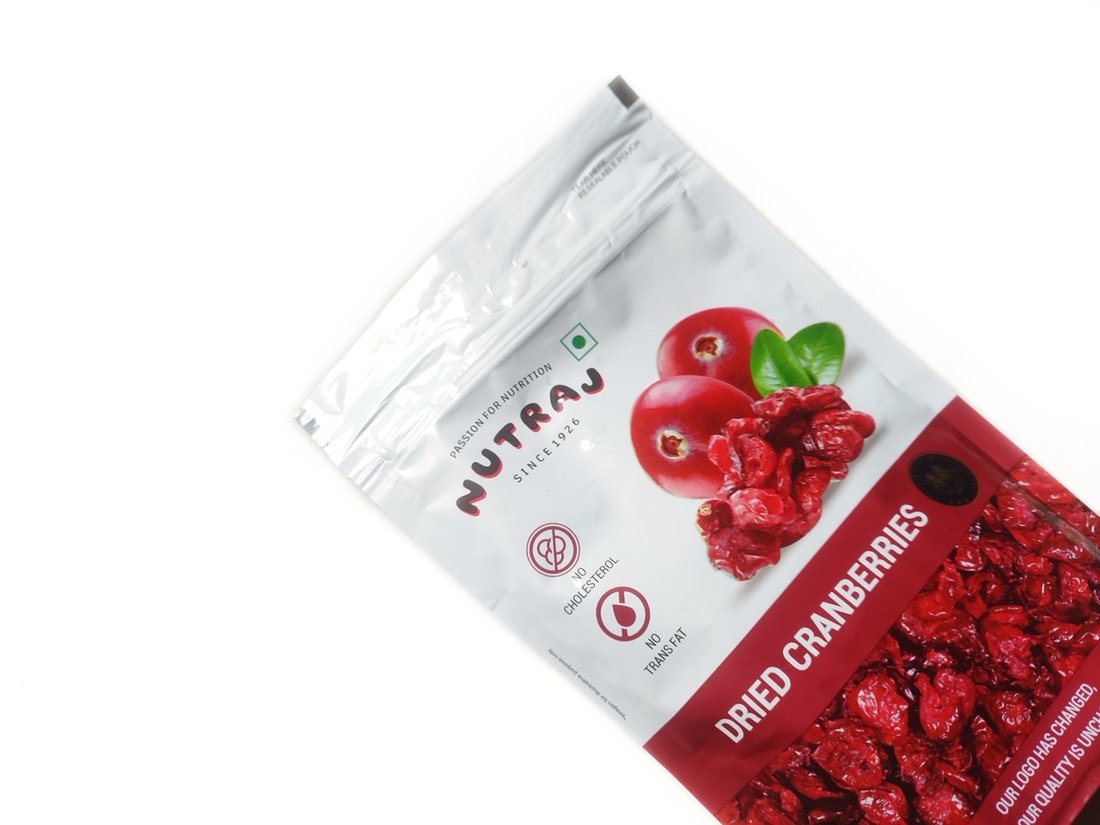
Dried cranberries or raisins seem like portable snacks, but water removal concentrates sugars: a quarter-cup of Craisins has 33 grams sugar, nearly a Snickers bar. Added oils prevent clumping, adding empty calories.
Stick to fresh fruit or small portions of unsweetened dried varieties. Fiber in fresh forms aids digestion, preventing the calorie overload linked to metabolic issues in Nutrition Reviews.
8. Whole Grain Cereals

“Whole grain” labels lure you in, but cereals like Cheerios or Shredded Wheat hide 10-18 grams sugar per cup, plus refined flours. They digest quickly, causing hunger soon after, as shown in glycemic index research.
Opt for plain steel-cut oats or eggs. These provide sustained energy and protein, stabilizing blood sugar for better diet adherence.
9. Smoothie Bowls

Instagram-famous acai bowls look vibrant, but blended fruits, granola toppings, and nut butters deliver 50-80 grams sugar and 600+ calories per bowl—far from light. Pitaya packs hidden fructose overload.
Build lighter versions with spinach, protein powder, and half a banana. This balances macros, reducing sugar by 70% while retaining antioxidants.
10. Gluten-Free Snacks
For non-celiacs, gluten-free cookies or breads use rice flour and starches, spiking glycemic load higher than wheat. Brands like Glutino pack 15 grams sugar and few nutrients, leading to overeating.
Focus on naturally gluten-free whole foods like quinoa or veggies. Consult a dietitian; unnecessary avoidance adds processed junk, per Celiac Disease Foundation insights.
In conclusion, these “healthy” foods sabotage diets through hidden sugars, sodium, and calories that mimic junk food effects. Always scrutinize labels: aim for under 5 grams added sugar, whole ingredients first, and minimal processing. Prioritize whole foods like lean proteins, veggies, nuts, and full-fat dairy for sustainable results. Track intake with apps like MyFitnessPal, stay hydrated, and combine with exercise. Consult a registered dietitian for personalized plans. By ditching these culprits, you’ll reclaim control over your health and achieve lasting wellness. (Word count: 1,248)