
Tire Pressure 101: Why It’s More Important Than You Think
Tire pressure might seem like a minor detail in your vehicle’s maintenance routine, but it’s one of the most critical factors affecting safety, performance, and cost-efficiency. Proper tire pressure ensures optimal contact between your tires and the road, preventing accidents, extending tire life, and saving you money on fuel. In this comprehensive guide, we’ll dive deep into tire pressure 101, exploring why it’s more important than you think, how to check it correctly, and practical tips to maintain it year-round. Whether you’re a daily commuter or a weekend adventurer, understanding tire pressure can transform your driving experience.
What Is Tire Pressure and How Does It Work?
Feature Video
Tire pressure refers to the amount of air inside your vehicle’s tires, measured in pounds per square inch (PSI) or bars. It’s the force exerted by the air against the inner walls of the tire, supporting the vehicle’s weight while allowing smooth rolling. When tires are properly inflated, they maintain their designed shape, providing even tread wear and maximum traction.
Most passenger cars require between 30-35 PSI, but this varies by vehicle make, model, and tire size. You’ll find the recommended PSI on a sticker inside the driver’s door jamb, in the owner’s manual, or on the fuel filler cap. Ignoring these specs can lead to underinflation or overinflation, both of which compromise safety.
Underinflated tires flex more, generating excess heat that weakens the tire structure. Overinflated tires, conversely, become rigid, reducing the contact patch with the road. According to the National Highway Traffic Safety Administration (NHTSA), underinflated tires contribute to about 11% of crashes due to tire failure. Proper tire pressure isn’t just maintenance—it’s a lifesaver.
The Hidden Dangers of Incorrect Tire Pressure

One of the biggest risks of neglecting tire pressure is blowouts. Underinflated tires build up heat faster during highway speeds, causing the rubber to degrade and potentially explode. Overinflated tires are prone to impact damage from potholes, as their stiffness transfers shocks directly to the rim.
Safety extends beyond blowouts. Incorrect pressure reduces braking efficiency—studies show underinflated tires can increase stopping distances by up to 15 feet at 60 mph. Hydroplaning risk skyrockets with low pressure, as water can’t escape from the tread grooves effectively. In wet conditions, maintaining ideal tire pressure can be the difference between control and catastrophe.
Beyond safety, poor tire pressure affects handling. Underinflation causes the vehicle to pull or wander, while overinflation leads to a harsh, bouncy ride. This not only fatigues drivers but also stresses suspension components, leading to costly repairs.
Fuel Efficiency and Cost Savings: The Economic Impact
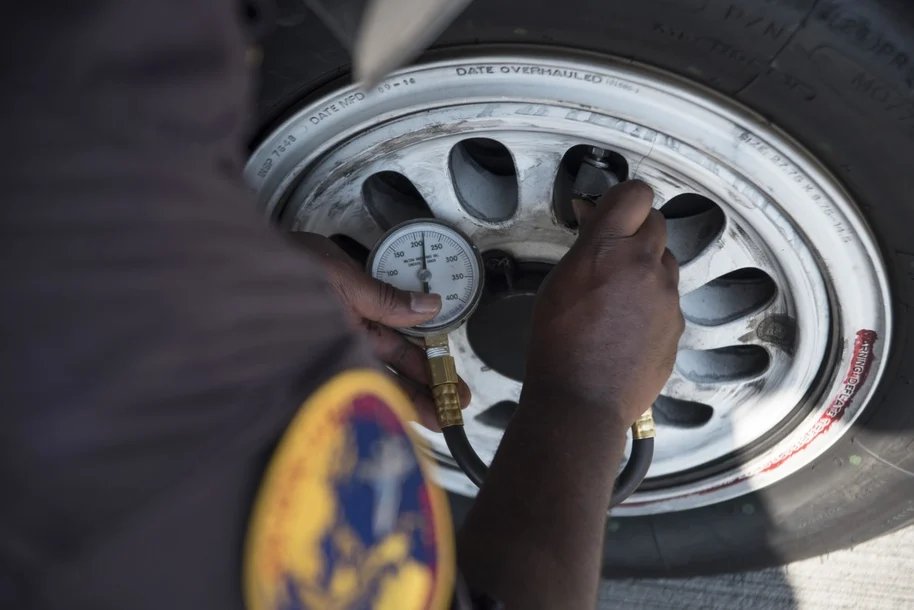
Did you know that tires with just 1 PSI under recommended levels can reduce fuel economy by 0.2-0.4%? For a vehicle driven 12,000 miles annually, that’s up to $50 in wasted gas. Multiply that across a fleet or long-term ownership, and the savings from proper tire pressure monitoring become substantial.
The U.S. Department of Energy reports that maintaining correct tire pressure improves MPG by 3%. With gas prices fluctuating, this is a simple hack for wallet-friendly driving. Additionally, even wear from proper inflation extends tire life by 20-50%, postponing replacements that cost $500-$1,000 per set.
Environmental benefits are noteworthy too. Better fuel efficiency means lower emissions, contributing to a greener planet. In an era of rising eco-consciousness, tire pressure maintenance aligns with sustainable driving practices.
How to Check Tire Pressure: A Step-by-Step Guide
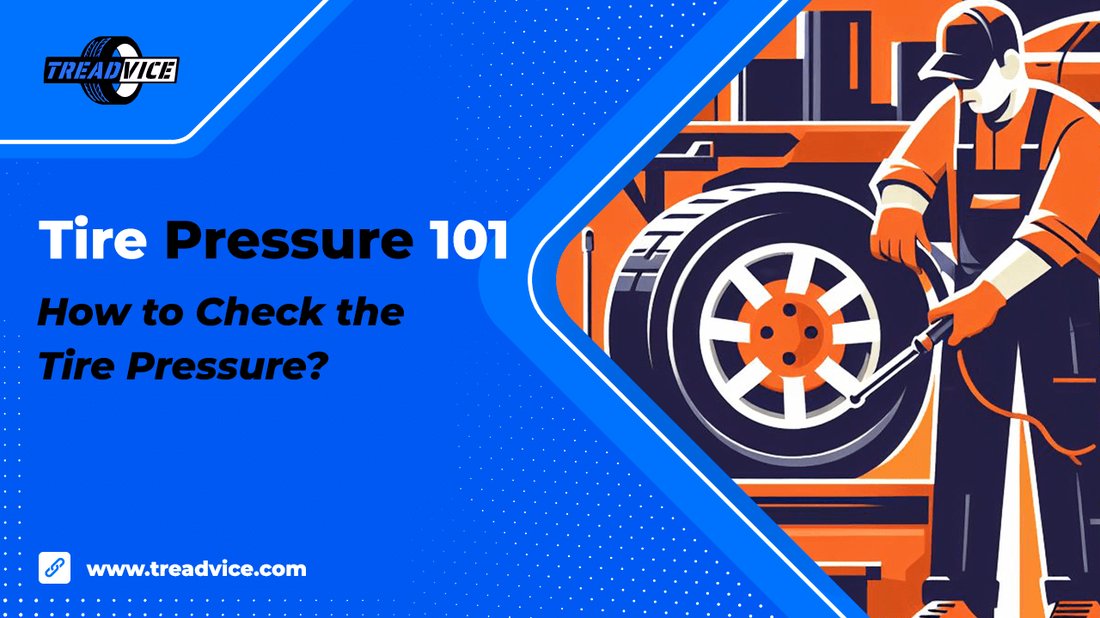
Checking tire pressure is straightforward and takes under 10 minutes monthly. Here’s how:
- Gather tools: Digital or analog tire pressure gauge (avoid gas station ones, as they’re often inaccurate). Optional: tire inflator or portable compressor.
- Timing: Check when tires are cold—before driving or after sitting 3+ hours. Heat from driving inflates readings by 4-6 PSI.
- Locate specs: Note recommended PSI for front/rear (often different).
- Remove cap: Deflate excess air if overinflated by pressing the valve core.
- Measure: Press gauge firmly onto valve stem. Digital gauges beep for accuracy; analog ones have a sliding pin.
- Adjust: Add air in short bursts, rechecking frequently. Aim for exact PSI.
- Repeat: For all four tires plus spare.
Pro tip: Use apps like TireCheck or dedicated TPMS (Tire Pressure Monitoring System) readers if your car has them. Modern vehicles alert you via dashboard lights, but manual checks ensure precision.
Seasonal Changes and Temperature Effects
Tire pressure fluctuates with temperature—at 10°F drop, PSI falls 1 point. Winter drivers must inflate 2-4 PSI higher in fall to compensate. Summer heat can overinflate, so monitor closely.
In regions with extreme weather, seasonal tire pressure adjustments prevent issues. For example, snowy conditions demand precise pressure for studded or all-season tires to maintain grip without slippage.
Common Tire Pressure Myths Debunked
Myth 1: “Tires look fine, so pressure is okay.” Reality: Visual inspection misses 75% of issues; always gauge.
Myth 2: “Overinflation improves handling.” Truth: It reduces traction, especially in corners.
Myth 3: “Spare tire doesn’t need checking.” False: It can dry-rot if neglected.
Debunking these ensures informed maintenance.
Advanced Tips: TPMS and Smart Maintenance
Since 2008, U.S. law mandates TPMS on new cars. Direct systems measure each tire individually; indirect ones estimate via wheel speed. Calibrate after rotations or inflation changes.
Invest in aftermarket Bluetooth gauges or smart caps that sync to your phone for real-time alerts. Rotate tires every 5,000-8,000 miles to promote even wear, always resetting pressure post-rotation.
For high-performance vehicles, nitrogen inflation resists temperature swings better than air. Though pricier, it suits track enthusiasts.
Choosing the Right Tires and Long-Term Care
Tire type influences pressure needs—run-flats or low-profile tires often require higher PSI. Always match specs to load (passengers/cargo increase needs by 3-5 PSI).
Regular alignment and balancing complement pressure checks. Professional inspections every 6 months catch sidewall damage or uneven wear early.
Conclusion: Make Tire Pressure a Habit
Tire pressure 101 reveals its profound impact on safety, efficiency, and savings. By checking monthly, adjusting for seasons, and using reliable tools, you safeguard your vehicle and loved ones. Don’t let complacency lead to regret—invest five minutes monthly for peace of mind.
Implement these tips today, and experience smoother rides, better MPG, and longer-lasting tires. Share this guide with fellow drivers; proper tire pressure awareness can prevent accidents nationwide. Drive safe!
(Word count: 1,248)