
Reclaim Your Weekend: How to Truly Disconnect From Work and Recharge
The Rise of the Always-On Culture and Why Weekends Matter
Feature Video
In today’s fast-paced digital world, the boundary between work and personal life has blurred more than ever. Emails ping at all hours, Slack notifications buzz through dinner, and the expectation to be “always on” has turned weekends into extended workdays. But what if you could reclaim your weekend, truly disconnect from work, and recharge your batteries? This article explores practical strategies to break free from work’s grip, restore balance, and make your downtime truly restorative. Mastering how to disconnect from work isn’t just a luxury—it’s essential for long-term productivity, mental health, and happiness.
Statistics paint a grim picture: A 2023 survey by the American Psychological Association found that 77% of workers experience burnout symptoms, with many citing constant connectivity as a key culprit. Weekends were meant for recovery, yet remote work and smartphones have invaded this sacred time. Learning to unplug and recharge can boost creativity, sharpen focus, and prevent exhaustion. If you’re tired of dragging into Monday mornings feeling depleted, it’s time to prioritize disconnection.
Recognizing the Signs You Need a Work Detox
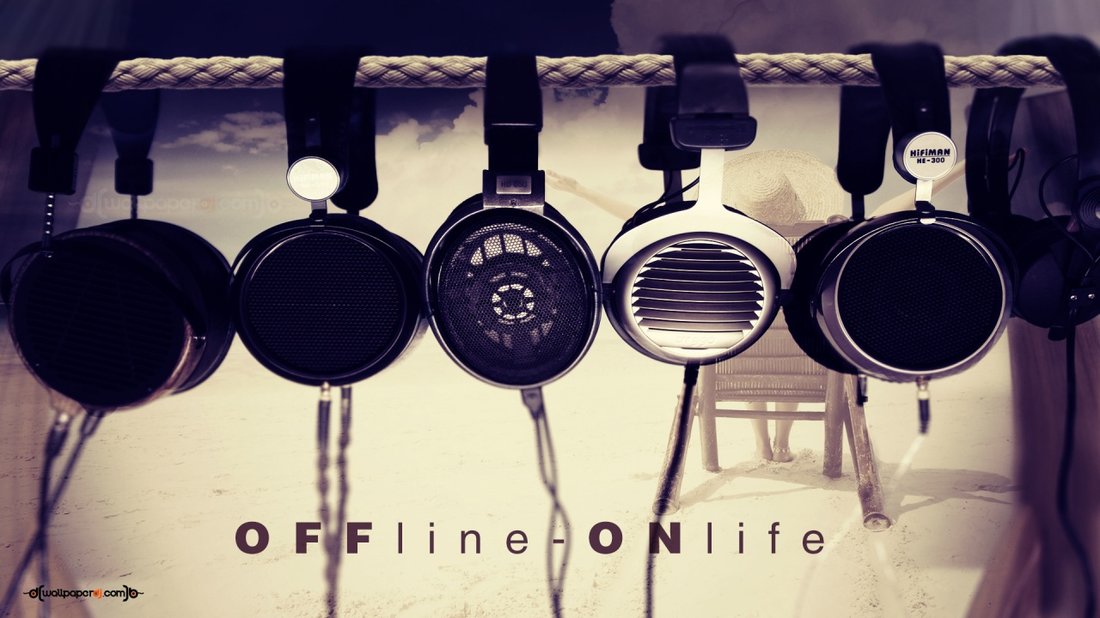
Before diving into solutions, identify if you’re overdue for a reset. Common signs include checking work emails first thing on Saturday, feeling anxious about unread messages, or mentally replaying work tasks during leisure. Physical cues like chronic fatigue, irritability, or sleep disturbances signal your body craves a break. Emotionally, resentment toward your job or dreading weekends because they’re “not long enough” is a red flag.
Psychologists term this “work creep,” where professional stress seeps into personal hours. A study from the Journal of Occupational Health Psychology links poor work-life boundaries to higher cortisol levels, increasing risks for anxiety and depression. If your weekend feels like a mini-workweek, it’s time to act. Acknowledging these signs is the first step to reclaiming your time and energy.
Setting Firm Boundaries: The Foundation of Disconnecting

Disconnecting from work starts with boundaries. Begin by defining your “off” hours—say, no work communications after 6 PM Friday until Monday morning. Communicate this to colleagues: Use an auto-reply like, “I’m offline until Monday. For emergencies, contact [backup person].” Tools like email schedulers let you draft responses in advance, maintaining professionalism without sacrificing rest.
Physically separate work from home life. If you work remotely, designate a workspace and “close” it on weekends—shut your laptop, log out of accounts, and store devices out of sight. Apps like Freedom or Focus@Will can block work apps during off-hours, enforcing digital boundaries. Consistency is key; after a few weeks, this becomes habit, freeing mental space for recharge activities.
Mastering the Digital Detox for True Recharge

Smartphones are the biggest barrier to weekend freedom. A digital detox—intentionally stepping away from screens—promotes mental clarity. Start small: Designate “no-phone zones” like the bedroom or dinner table. Replace scrolling with analog pursuits: Read a physical book, journal, or sketch. Research from the University of Pennsylvania shows limiting social media to 30 minutes daily reduces anxiety and improves well-being.
For deeper detox, try a full weekend device fast. Charge phones in another room overnight and use alarms sparingly. Engage senses instead—listen to vinyl records, cook from scratch, or take walks without podcasts. This isn’t about Luddite rejection but mindful reconnection with the present. Post-detox, you’ll notice sharper focus and genuine relaxation, proving how to truly disconnect from work enhances life quality.
Curating Recharge Activities That Nourish Your Soul

Recharge goes beyond absence of work; it’s active renewal. Tailor activities to your needs: Nature lovers, hike trails or garden; introverts, meditate or nap guilt-free; extroverts, host low-key gatherings. Prioritize joy-sparking hobbies sidelined by work—painting, baking, or playing an instrument. The key? Zero productivity pressure. Let play be unstructured.
Incorporate movement: Yoga, cycling, or dancing releases endorphins, combating stress hormones. Sleep is non-negotiable—aim for 7-9 hours with a wind-down routine: Herbal tea, dim lights, no screens. Nutrition fuels recovery; prepare weekend meals with whole foods, avoiding caffeine crashes. A 2022 Harvard study confirms such rituals lower inflammation and boost mood, making weekends potent recharge periods.
Building Sustainable Habits for Long-Term Balance

One-off weekends won’t suffice; cultivate habits for ongoing disconnection. Weekly rituals like Friday “shutdown ceremonies”—reviewing tasks, clearing desk, celebrating wins—signal transition to rest. Track progress in a journal: Note energy levels pre- and post-disconnect to stay motivated.
Address root causes: Negotiate realistic workloads or explore flexible hours. Mindfulness apps like Headspace teach presence, curbing work rumination. Surround yourself with supportive people who respect boundaries. Over time, these form a lifestyle where work serves you, not vice versa. Leaders like Arianna Huffington advocate “recharge revolutions,” proving sustainable practices yield peak performance.
The Proven Benefits of Reclaiming Your Weekends

Why invest effort? Science backs it: Disconnecting enhances cognitive function. A Microsoft study found brief downtime increases problem-solving by 20%. Mentally, it reduces burnout risk; physically, lowers blood pressure. Relationships flourish—quality time strengthens bonds, combating isolation.
Professionally, refreshed minds innovate better. Companies like Basecamp enforce no-work-weekends, reporting higher output. Personally, weekends become highlights, fostering fulfillment. Long-term, this prevents career fatigue, extending passionate work years.
Real stories inspire: Sarah, a marketing exec, implemented boundaries and saw creativity soar, landing a promotion. Mike, a developer, adopted detoxes, curing insomnia and reigniting family joy. Your story awaits.
Overcoming Common Obstacles to Full Disconnection
Resistance arises: “What if something urgent happens?” Build trust with teams via backups. Guilt from hustle culture? Reframe: Rest fuels excellence. Procrastination? Start with micro-commitments, like one screen-free hour.
For night owls or insomniacs, structure evenings prevent work bleed. Employers pushing availability? Document impacts on well-being, advocating change. Persistence pays; obstacles fade with practice.
Your Weekend Reclaim Plan: Actionable Steps
Ready to start? Week 1: Set boundaries, notify team. Week 2: Digital detox trial. Week 3: Plan recharge menu. Adjust as needed. Tools: Calendar blocks for “recharge,” accountability buddies.
Measure success by feelings, not tasks. Celebrate small wins—a peaceful Sunday, energized Monday. Reclaim your weekend; the rewards compound.
Conclusion: Embrace the Power of True Rest
Reclaiming your weekend to disconnect from work and recharge isn’t selfish—it’s strategic. In a world glorifying grind, choose renewal. Implement these steps, watch burnout fade, and vitality return. Your best self awaits beyond the inbox. Start today; your weekends deserve you fully.
(Word count: 1,248)