
The Best Way to Store Fruits and Vegetables to Make Them Last Longer
Introduction to Proper Produce Storage
Feature Video
Storing fruits and vegetables correctly is essential for maximizing their shelf life, reducing food waste, and preserving nutrients. In today’s fast-paced world, where grocery runs might not happen daily, knowing the best way to store fruits and vegetables can save you money and ensure your meals are always fresh. Improper storage leads to spoilage, with the average household throwing away about 30% of produce due to poor handling. By understanding temperature, humidity, and ethylene gas effects, you can make your fruits and vegetables last longer—sometimes up to weeks beyond their typical lifespan.
This comprehensive guide covers the science behind storage, general rules, specific tips for popular fruits and veggies, and common pitfalls. Whether you’re dealing with apples browning too quickly or lettuce wilting overnight, these strategies will transform your kitchen into a freshness fortress. Optimized for SEO with practical advice on how to store produce effectively, read on to discover proven methods backed by food science experts.
The Role of Ethylene Gas in Produce Longevity
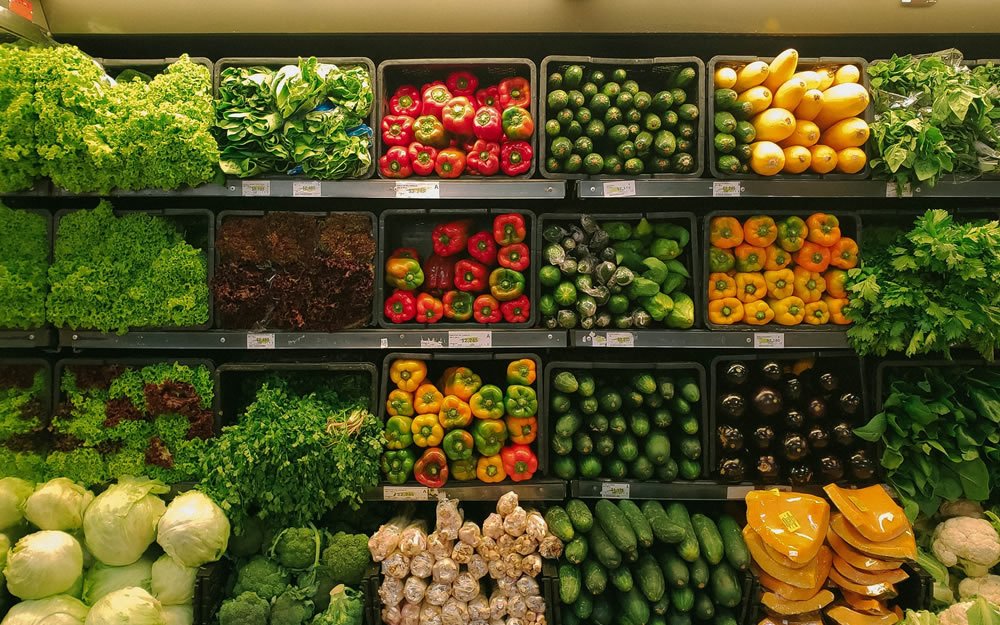
Ethylene gas is a natural plant hormone that accelerates ripening and spoilage. Fruits like apples, bananas, and tomatoes are high ethylene producers, while others such as leafy greens, broccoli, and cucumbers are sensitive to it. Storing them together causes sensitive items to spoil faster. For instance, placing an apple near lettuce can wilt the greens in days.
To make fruits and vegetables last longer, separate high-ethylene emitters from absorbers. Use ventilated bowls or crisper drawers in your fridge designed for this purpose. Research from the USDA shows that isolating ethylene producers can extend shelf life by 50% or more. Always check labels or guides for each item’s classification to optimize storage.
General Rules for Storing Fruits and Vegetables
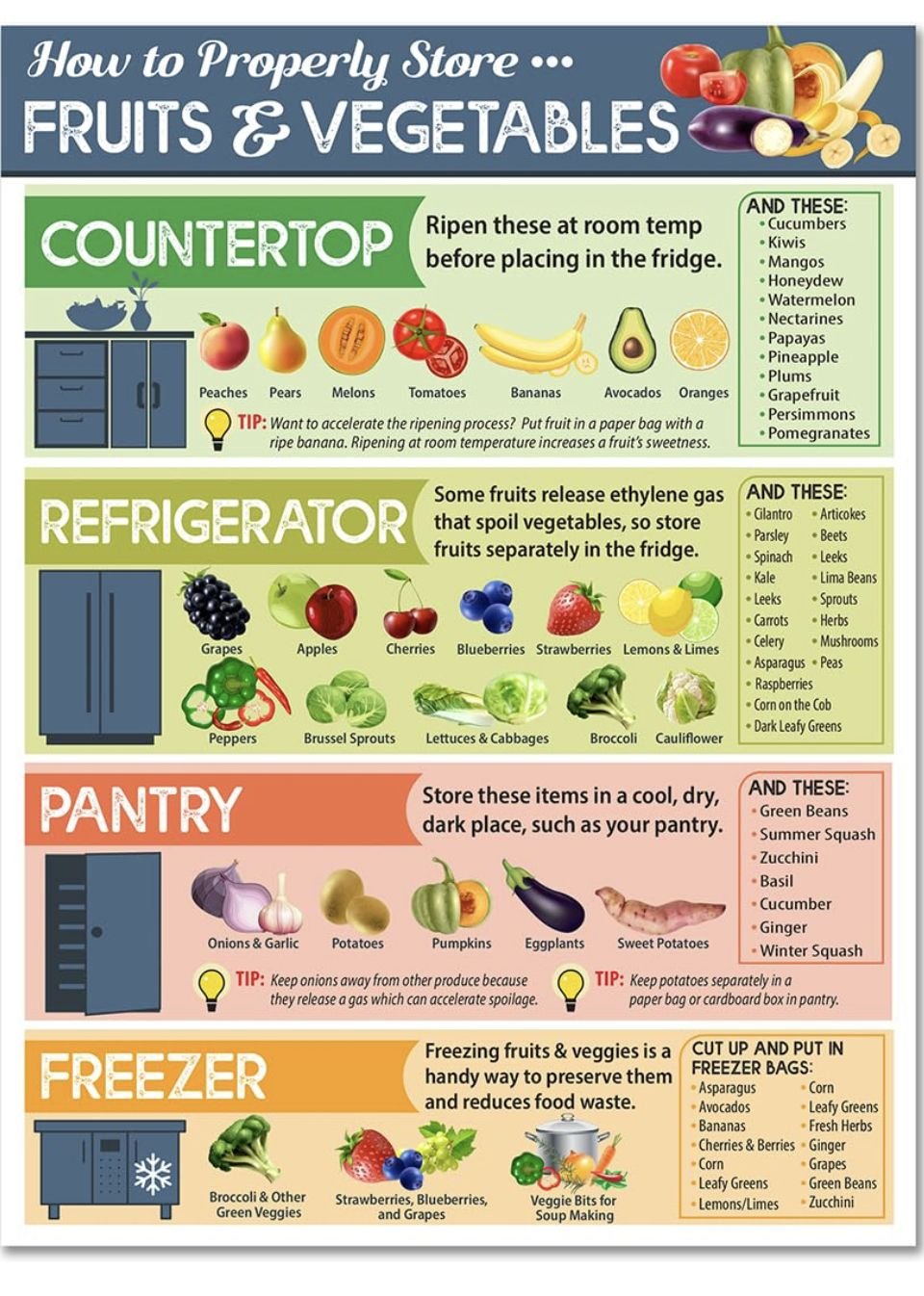
Not all produce belongs in the fridge. Temperature control is key: most fruits prefer room temperature until ripe, then refrigeration; vegetables generally thrive in cool, humid environments. Aim for fridge temps of 32-40°F (0-4°C) with high humidity in crisper drawers.
Wash produce only before use to avoid excess moisture promoting mold. Store in breathable containers like paper bags or perforated plastic to allow air circulation. For counter storage, choose a cool, dark spot away from direct sunlight. These basics ensure your fruits and vegetables stay crisp and flavorful longer, minimizing waste and maximizing nutrition.
Best Storage Methods for Common Fruits
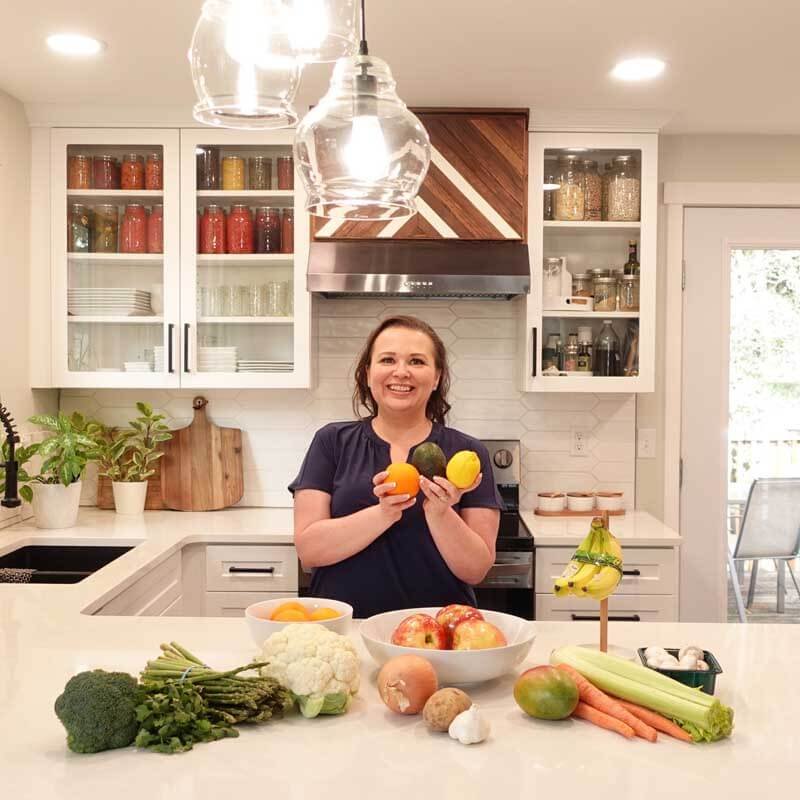
Apples: Store whole apples in the fridge’s crisper drawer in a plastic bag to retain humidity. They can last up to 4-6 weeks. Avoid storing near other produce due to high ethylene output. For cut apples, spritz with lemon juice and wrap tightly.
Bananas: Keep at room temperature in a cool spot, away from other fruits. Hang them on a hook to prevent bruising. Once ripe, refrigerate peels (fruit may blacken but stays edible inside) for an extra week.
Berries (Strawberries, Blueberries, Raspberries): Don’t wash until ready to eat. Place unwashed in a single layer on a paper towel-lined container in the fridge. They last 1-2 weeks this way, versus days if piled wet.
Citrus (Oranges, Lemons, Limes): Room temperature is fine for up to a week, but fridge in a mesh bag extends to 3-4 weeks. Their thick skins protect against humidity fluctuations.
Avocados: Ripen on counter; once soft, refrigerate for 3-5 more days. Speed ripening by bagging with a banana.
Stone Fruits (Peaches, Plums): Ripen at room temp, then fridge in a paper bag for 3-7 days. Ethylene from pits hastens spoilage if crowded.
These fruit storage tips ensure peak freshness, reducing the need for frequent shopping and helping you enjoy seasonal flavors year-round.
Optimal Storage for Popular Vegetables
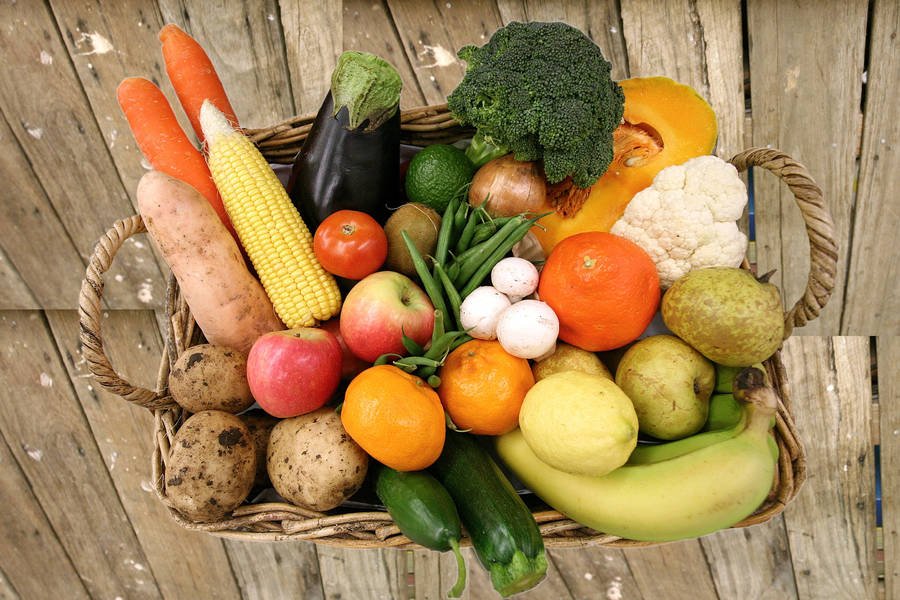
Leafy Greens (Lettuce, Spinach, Kale): Remove ties, wash, dry thoroughly, and store in a breathable bag with a paper towel to absorb moisture. Fridge crisper lasts 1-2 weeks. For longer life, wrap in foil.
Root Vegetables (Carrots, Potatoes, Onions): Carrots in fridge with tops removed, submerged in water or humid bag—up to 4 weeks. Potatoes and onions at room temp in a dark, ventilated pantry (separate them, as onions make potatoes sprout). Sweet potatoes similar but avoid fridge chill.
Tomatoes: Never refrigerate whole; counter stem-down in a bowl lasts 1-2 weeks. Ripened ones fridge briefly but return to room temp before eating to restore flavor.
Broccoli and Cauliflower: Fridge in perforated bag, upright like a bouquet. Lasts 1-3 weeks. Trim stems if needed.
Cucumbers and Peppers: Fridge crisper, away from fruits. Wrap in towel to prevent “chilling injury” sogginess—extends to 10-14 days.
Herbs (Basil, Cilantro): Basil at room temp in water like flowers; others fridge in damp towel-wrapped jars.
Mastering vegetable storage keeps salads crisp and stir-fries vibrant, directly impacting your healthy eating habits.
Choosing the Right Storage Containers and Tools
Invest in produce savers: beeswax wraps, silicone bags, and ethylene-absorbing packets. Clear bins let you see contents, reducing forgotten spoilage. For zero-waste, use repurposed glass jars for greens. Humidity domes or fridge organizers maintain ideal conditions. These tools, often under $20, pay off by making fruits and vegetables last longer and cutting grocery bills.
Common Storage Mistakes to Avoid
Avoid these pitfalls: refrigerating bananas or tomatoes (flavor loss), storing wet produce (mold), or mixing ethylene producers/sensitives. Don’t overcrowd drawers—airflow matters. Ignoring “best by” dates leads to premature discard; inspect regularly. These errors cause up to 40% more waste, per food safety studies.
Pro Tips for Extending Shelf Life Even Further
Freeze extras: blanch veggies or portion fruits for smoothies. Use the “first in, first out” rule. Shop mid-week for fresher stock. For organic produce, extra care against quicker spoilage. Track with a fridge inventory app. These hacks make your produce last 2-3x longer, promoting sustainability.
Conclusion: Transform Your Fridge Today
Implementing the best ways to store fruits and vegetables empowers you to enjoy fresher meals, save money, and reduce waste. From ethylene awareness to tailored methods, these strategies are simple yet transformative. Start small—reorganize your fridge this weekend—and watch your produce thrive. For more healthy living tips, explore our guides on meal prep and nutrition.