
The Sustainable Home: Simple Swaps for a Greener Lifestyle
Introduction to a Sustainable Home
Feature Video
In today’s world, where climate change is a pressing concern, adopting a greener lifestyle starts right at home. The concept of a sustainable home revolves around making mindful choices that reduce waste, conserve resources, and minimize environmental impact. You don’t need a complete overhaul or expensive renovations to achieve this—simple swaps in everyday items and habits can lead to a greener lifestyle. This article explores practical, affordable changes you can implement in your kitchen, bathroom, bedroom, and beyond. By incorporating these sustainable swaps, you’ll not only lower your carbon footprint but also save money in the long run. Keywords like “eco-friendly home tips” and “simple green living hacks” highlight how accessible sustainability truly is.
According to the Environmental Protection Agency (EPA), households contribute significantly to global emissions through energy use, waste, and consumption patterns. Transitioning to sustainable practices can cut household waste by up to 30% and energy bills by 10-20%. Let’s dive into actionable steps for building your sustainable home.
Kitchen Swaps for Eco-Friendly Cooking

The kitchen is often the heart of the home and a prime area for sustainable changes. Start with reusable alternatives to single-use plastics. Swap disposable plastic bags for beeswax wraps or silicone covers, which are washable and last for years. These simple swaps prevent thousands of plastic bags from entering landfills annually.
Next, consider your cookware. Ditch non-stick pans coated with potentially harmful chemicals like PFAS (forever chemicals) for cast iron or stainless steel options. Cast iron skillets, seasoned naturally, offer excellent heat retention, reducing cooking energy by up to 25%. Pair this with energy-efficient appliances: replace old refrigerators with Energy Star-rated models that use 15% less electricity.
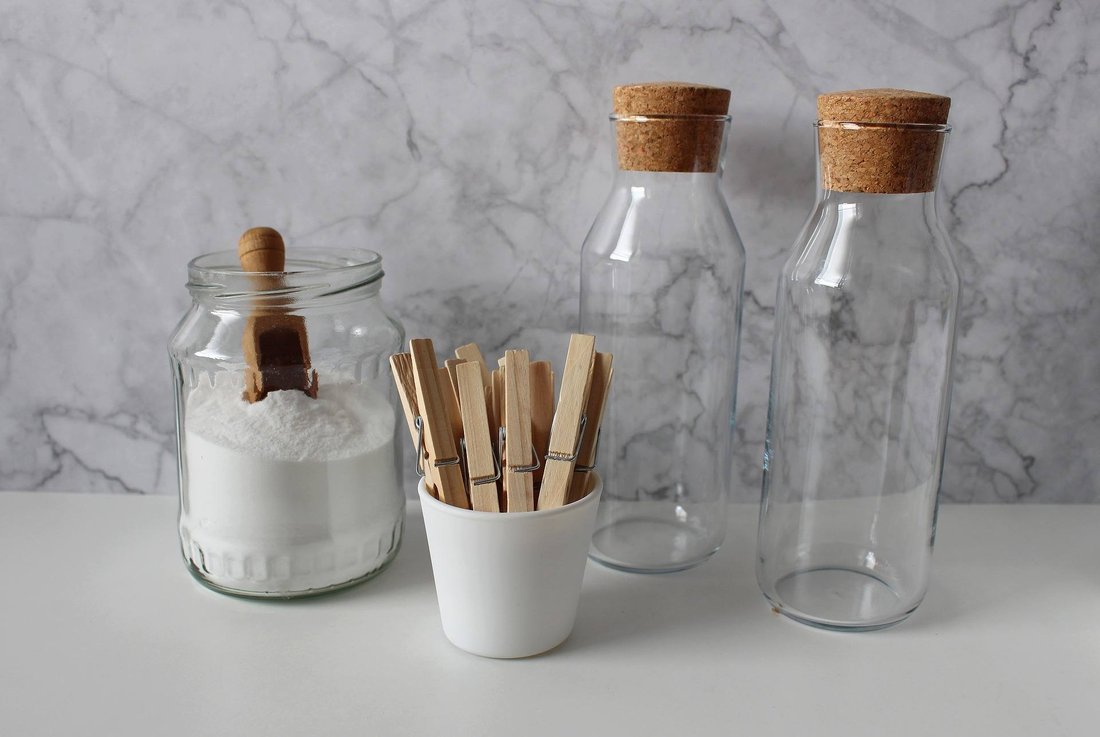
Food storage is another key area. Glass jars and containers outperform plastic in durability and recyclability. Use them for leftovers, dry goods, and even as homemade spice racks. Opt for bamboo or wooden cutting boards over plastic ones, as they are biodegradable and naturally antibacterial when oiled properly.
Reduce food waste with composting. Invest in a countertop composter or worm bin to turn scraps into nutrient-rich soil for your garden. Studies show composting diverts 30% of household waste from landfills, enriching soil and cutting methane emissions. For beverages, switch to a reusable stainless steel straw and tumbler, eliminating thousands of single-use plastic straws per person yearly.
These kitchen swaps not only promote a greener lifestyle but also enhance meal prep enjoyment with healthier, fresher ingredients from local, seasonal sources.
Bathroom Transformations for Water Conservation

Bathrooms are water hogs, accounting for nearly 70% of home water use. Simple swaps here can drastically reduce consumption. Install low-flow showerheads and faucet aerators, which cut water usage by 50% without sacrificing pressure. Look for models certified by WaterSense for maximum efficiency.
Personal care products offer easy wins. Replace plastic bottled shampoos and conditioners with bar soaps and solid shampoos wrapped in compostable paper. Brands like Lush or Ethique provide zero-waste options that last longer and reduce packaging waste. Toothbrushes made from bamboo replace nylon ones, decomposing naturally after use.
Menstrual products for those who need them: switch to reusable cloth pads, menstrual cups, or period underwear. A single cup can last 10 years, saving over $100 annually and preventing 2,500 tampons from landfills per user.
Cleaning the bathroom sustainably means forgoing chemical-laden cleaners. Homemade solutions with vinegar, baking soda, and essential oils clean effectively while being septic-safe and non-toxic. Store them in reusable glass spray bottles. Towels and washcloths: opt for organic cotton or linen sets, which are more absorbent and durable, reducing laundry frequency.
These changes foster a sustainable home bathroom that’s water-wise and chemical-free, promoting health and planetary well-being.
Bedroom and Living Room: Comfort with a Conscience

Your relaxation spaces deserve sustainable attention too. Begin with bedding: choose organic cotton or hemp sheets, certified by GOTS (Global Organic Textile Standard). These avoid pesticides harmful to ecosystems and are softer with each wash. Pillows filled with kapok or buckwheat offer natural alternatives to synthetic fibers that shed microplastics.
Furniture swaps focus on secondhand or upcycled pieces from platforms like Facebook Marketplace or thrift stores. Refinish wood items with natural oils instead of varnishes containing VOCs (volatile organic compounds), improving indoor air quality. LED bulbs throughout your home use 75% less energy than incandescents and last 25 times longer— a no-brainer for living rooms and bedrooms.
Declutter with the KonMari method, donating or recycling unused items. Invest in multi-functional furniture like ottomans with storage to minimize material use. Plants like snake plants or peace lilies purify air naturally, requiring no energy beyond sunlight and water.
Window treatments: thermal curtains or honeycomb shades insulate homes, reducing heating and cooling needs by 10-20%. These greener lifestyle tweaks create cozy, low-impact sanctuaries.
Energy Efficiency and Whole-Home Habits
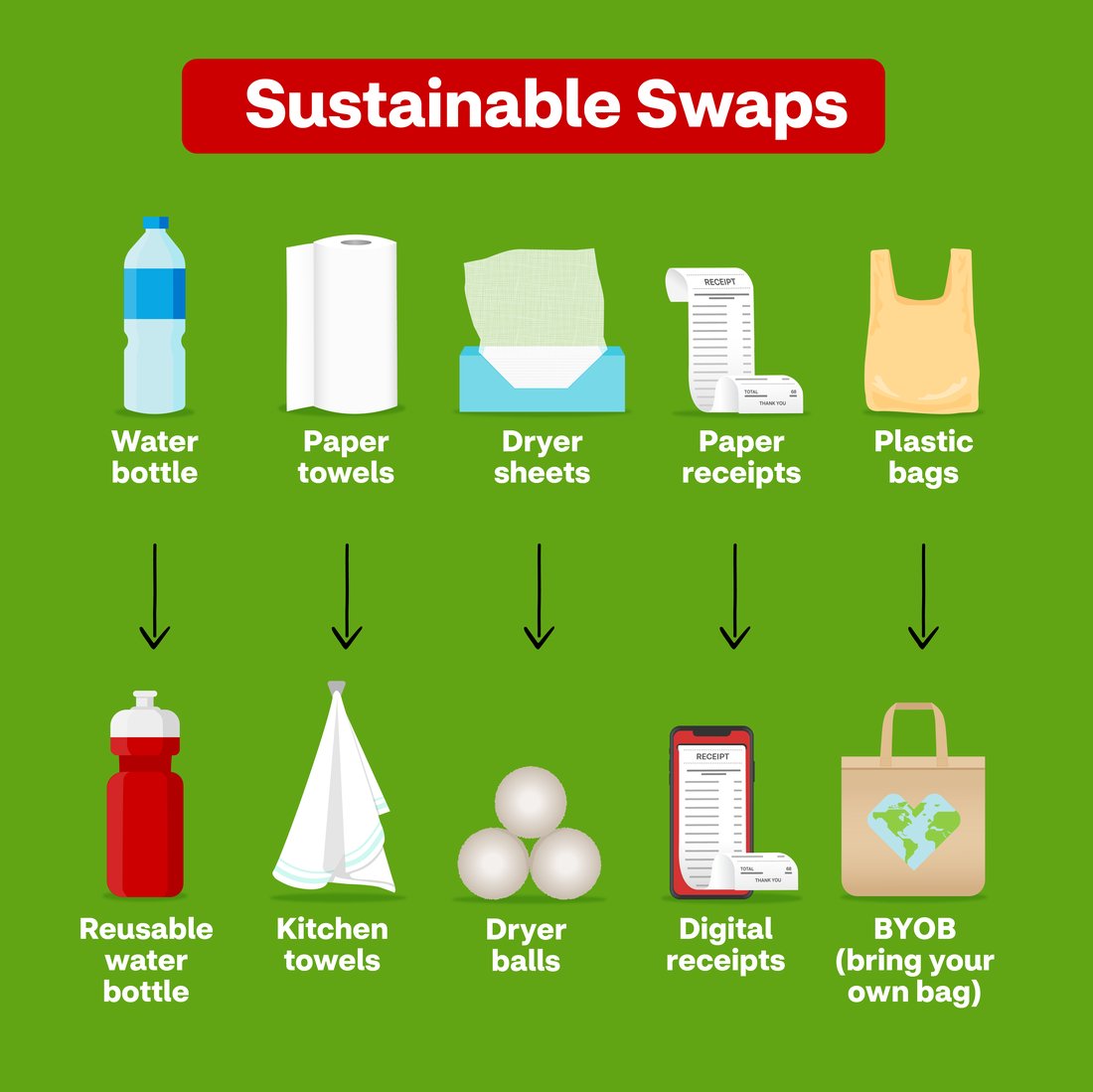
Beyond rooms, holistic habits amplify sustainability. Smart thermostats like Nest learn your patterns, optimizing heating and cooling to save 10-12% on bills. Solar-powered chargers for devices cut grid reliance.
Laundry: air-dry clothes on racks or lines, slashing dryer energy use by 90%. Use cold water washes and full loads. Insulation checks: weatherstrip doors and windows to prevent drafts, potentially saving 20% on energy.
Lighting control via motion sensors or timers ensures no wasted power. Renewable energy: if feasible, install solar panels or join community solar programs for clean power credits.
Track progress with apps like Joule or MyFootprint, gamifying your sustainable home journey.
Cleaning and Maintenance: Non-Toxic Choices

Chemical cleaners pollute waterways; swap for DIY recipes. All-purpose spray: equal parts vinegar and water with lemon. Scrubbers: coconut coir sponges biodegrade unlike synthetics.
Vacuum with HEPA filters to trap allergens without emitting fumes. Natural pest control: diatomaceous earth or neem oil repels bugs sans toxins.
These swaps ensure a spotless, safe home.
Conclusion: Embrace the Greener Lifestyle
Transforming your home into a sustainable haven through simple swaps is empowering and achievable. From kitchen reusables to energy-smart habits, each change compounds into significant environmental benefits. Start small—pick one swap per room—and build momentum. Your sustainable home not only preserves the planet for future generations but enhances daily life with savings, health, and purpose. Search “sustainable home ideas” for more inspiration and join the green revolution today!