
The Most Common DIY Mistakes That Lead to Expensive Professional Repairs
The Most Common DIY Mistakes That Lead to Expensive Professional Repairs
Embarking on do-it-yourself (DIY) home improvement projects can be rewarding, saving time and money while boosting your skills. However, what starts as a simple weekend task often spirals into costly professional repairs due to common pitfalls. According to home service platforms like Angi and HomeAdvisor, DIY errors account for up to 30% of emergency repair calls. These mistakes range from plumbing blunders to electrical hazards, turning a $50 fix into a $5,000 nightmare. In this comprehensive guide, we’ll explore the most frequent DIY mistakes that lead to expensive professional interventions, offering insights to help you avoid them. By understanding these errors, you can decide when to DIY and when to call in experts, ensuring your projects enhance your home without draining your wallet.
1. Plumbing Disasters: Overtightening Fittings and Ignoring Pipe Types
Feature Video
Plumbing is one of the top culprits for DIY failures. Homeowners often grab the wrong tools or materials, leading to leaks that cause water damage. A classic error is overtightening PVC fittings. Unlike metal pipes, PVC doesn’t require excessive torque; too much force cracks the plastic, resulting in hidden leaks behind walls. Repair costs? Expect $300-$1,000 for drywall removal, drying, and repiping.
Another blunder: mismatched pipe types. Mixing copper with PEX without proper adapters causes corrosion and bursts. In cold climates, failing to insulate pipes invites freezing, amplifying damage. Statistics from the Insurance Information Institute show water damage from DIY plumbing mishaps claims billions annually. To avoid this, always use manufacturer torque specs and consult local codes. Test for leaks immediately after installation. If you’re unsure about your home’s plumbing setup, hire a pro upfront—it’s cheaper than flood restoration.
2. Electrical Errors: Bypassing Permits and Overloading Circuits

Electrical DIY projects scream danger and expense. Tampering with wiring without permits violates codes and voids insurance, leading to fines up to $5,000 plus rewiring bills. A prevalent mistake is overloading circuits during outlet additions or light fixture swaps. Installing high-wattage fixtures on 15-amp circuits trips breakers repeatedly or sparks fires.
Improper grounding is another killer. Using old two-prong outlets in modern appliances risks shocks and equipment failure. Home inspectors report 40% of DIY electrical jobs fail basic safety checks. The aftermath? Burned wiring requires full panel upgrades costing $2,000-$10,000. Always use GFCI outlets in wet areas and AFCI breakers for bedrooms. Invest in a voltage tester and multimeter. For anything beyond swapping a switch, get an electrician—your safety and home value depend on it.
3. Painting Pitfalls: Skipping Surface Prep and Wrong Paint Choices

Painting seems foolproof, yet poor prep turns walls into peeling messes needing pro resurfacing. Neglecting to clean, sand, or prime leads to bubbling and flaking within months. Oil-based paint over latex? Disaster—adhesion fails, requiring chemical stripping at $500-$2,000 per room.
Choosing incorrect sheens exacerbates issues: flat paint in high-traffic areas scuffs easily, while gloss hides imperfections poorly on textured walls. Over-application creates drips and uneven finishes, demanding sanding and repainting. Consumer Reports notes 25% of repaint jobs stem from DIY color mismatches or sheen errors. Pro tip: Tape edges meticulously, use angled brushes for trim, and apply thin coats. Test samples first. When in doubt, pros use airless sprayers for flawless results without the hassle.
4. Drywall blunders: Poor Taping and Mudding Techniques
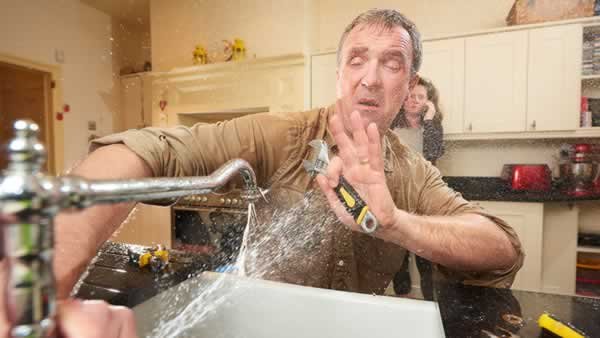
Drywall installation or repair trips up novices with invisible errors surfacing later. Inadequate joint compound application—too thick or thin—cracks under humidity changes. Skipping mesh tape on seams invites telegraphing cracks through paint.
Hanging sheets without proper spacing causes buckling. Sanding too aggressively thins paper, weakening the board. Remediation involves total removal and reinstallation, hitting $1,500-$4,000 for a standard room. Fine Homebuilding magazine highlights that 60% of DIY drywall fails inspection due to uneven surfaces. Use setting-type compounds for speed, feather edges smoothly, and let cure fully between coats. Level with a 12-foot straightedge. For large jobs, pros’ dustless systems and laser levels save time and sanity.
5. Flooring Fiascos: Ignoring Subfloor Prep and Expansion Gaps
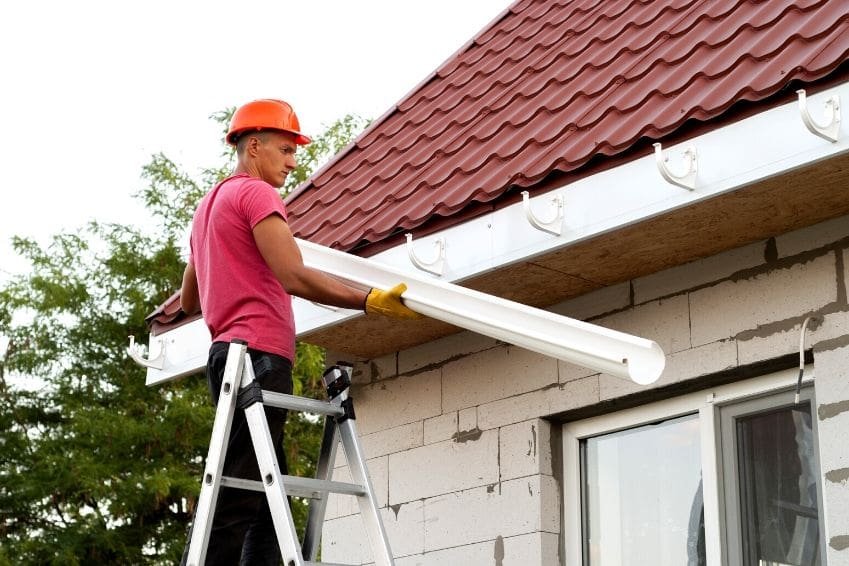
Flooring projects like laminate or hardwood often fail from subfloor oversights. Installing over uneven concrete or bouncy joists leads to squeaks, gaps, and cupping. Forgetting acclimation—letting wood adjust to room humidity—causes warping, necessitating full replacement at $3-$8 per square foot plus labor.
Vinyl plank errors include poor underlayment, allowing moisture wicking that delaminates adhesive. Bob Vila estimates 35% of flooring complaints trace to DIY moisture neglect. Always check subfloor flatness (1/8-inch over 6 feet) and use vapor barriers. Leave 1/4-inch expansion gaps masked by baseboards. Rent a flooring nailer for hardwood. Pros employ moisture meters and leveling compounds for durable results.
6. Roofing blunders: Improper Shingle Alignment and Flashing
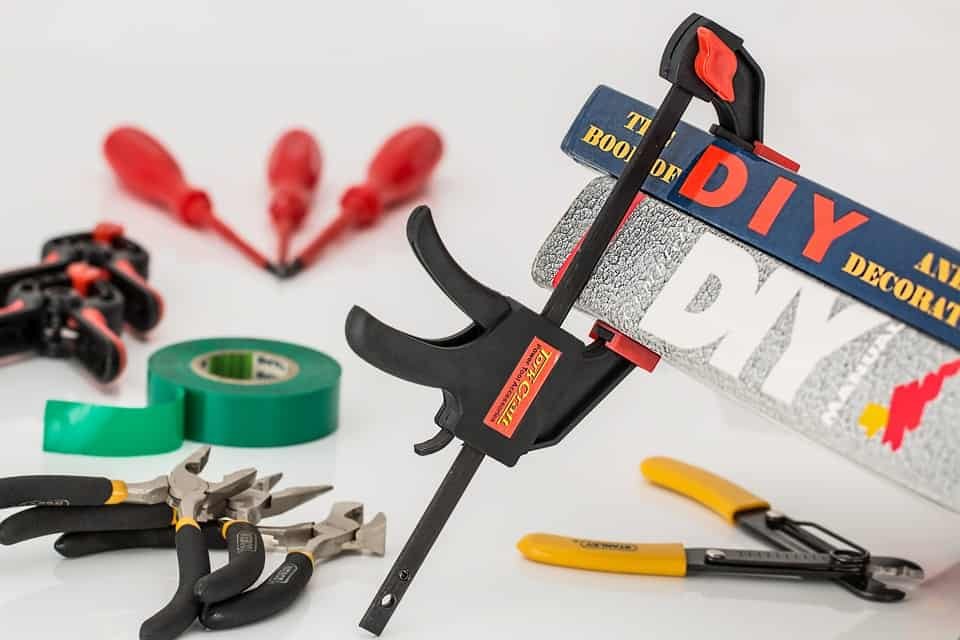
Amateur roofing seals disaster. Misaligned shingles expose underlayment to wind uplift, accelerating leaks. Skipping ice-and-water shield in valleys invites ice dams, rotting rafters. Costs skyrocket: $10,000-$30,000 for structural repairs.
Neglecting ridge vents causes attic heat buildup, shortening shingle life. Roofing Calculator data shows DIY roofs leak 50% sooner. Use starter strips, nail 1-2 inches above sealant, and overlap flashing 6 inches. Work in good weather. For pitches over 4:12, hire certified roofers with warranties.
7. Gutter and Exterior Oversights: Clog Clearing with Wrong Tools

Cleaning gutters sounds simple but damages fascia boards when using metal scrapers. Pressure washing siding blasts caulk seals, leading to rot. Re-sealing improperly with silicone on wood invites mold. Repairs: $1,000+ for fascia replacement.
Installing unlevel gutters causes pooling overflows. Use blowers or vacuums, wear harnesses on two-stories. Pros use seamless aluminum for longevity.
8. Appliance and HVAC Tinkering Gone Wrong
Fiddling with washers, dryers, or furnaces voids warranties and causes floods or gas leaks. Misaligning dryer vents sparks fires; $2,500 average claim. HVAC filter swaps turn into coil clogs if wrong sizes used. Call certified techs for these.
In conclusion, while DIY fuels creativity, common mistakes like plumbing overtightening, electrical shortcuts, and prep oversights lead to exorbitant repairs. Prevention beats cure: research thoroughly, use quality tools, follow tutorials from trusted sources like This Old House, and know your limits. Budget 20% extra for mishaps. When complexity arises—wiring, roofing, or plumbing—pros prevent disasters. Safe DIYing enhances your home affordably. (Word count: 1,248)