
Building a Personal Brand That Attracts Opportunities, Not Just Clicks
In today’s digital landscape, building a personal brand has become essential for professionals, entrepreneurs, and creators alike. But here’s the catch: most people focus on chasing likes, shares, and fleeting clicks, only to find themselves trapped in a cycle of superficial engagement. True success lies in crafting a personal brand that attracts opportunities—high-value connections, collaborations, clients, and career advancements that propel you forward. This article explores how to build a personal brand that resonates deeply, positioning you as an authority and magnet for meaningful prospects. Whether you’re a freelancer, executive, or aspiring influencer, these strategies will shift your focus from vanity metrics to tangible results.
Understanding the Difference: Clicks vs. Opportunities
Feature Video
Clicks are easy—they’re the low-hanging fruit of social media algorithms. A viral post might garner thousands of views, but without strategy, it evaporates overnight. Opportunities, on the other hand, stem from trust, relevance, and perceived value. Think of your personal brand as a lighthouse: clicks are ships passing by, but opportunities are the ones docking at your port.
Research from LinkedIn shows that 80% of B2B leads come from professionals with strong personal brands. Harvard Business Review echoes this, noting that executives with visible personal brands receive 21 times more interview opportunities. The key? Shift from quantity to quality. Start by auditing your current online presence. Tools like Google Alerts and BrandYourself can reveal how you’re perceived. Ask: Does your brand scream “expert” or just “entertaining”?
To pivot, define success metrics beyond clicks. Track inbound inquiries, partnership offers, and referral traffic. Use Google Analytics for website referrals and CRM tools like HubSpot to log opportunities. This data-driven approach ensures your efforts yield real-world impact.
Define Your Unique Value Proposition (UVP)
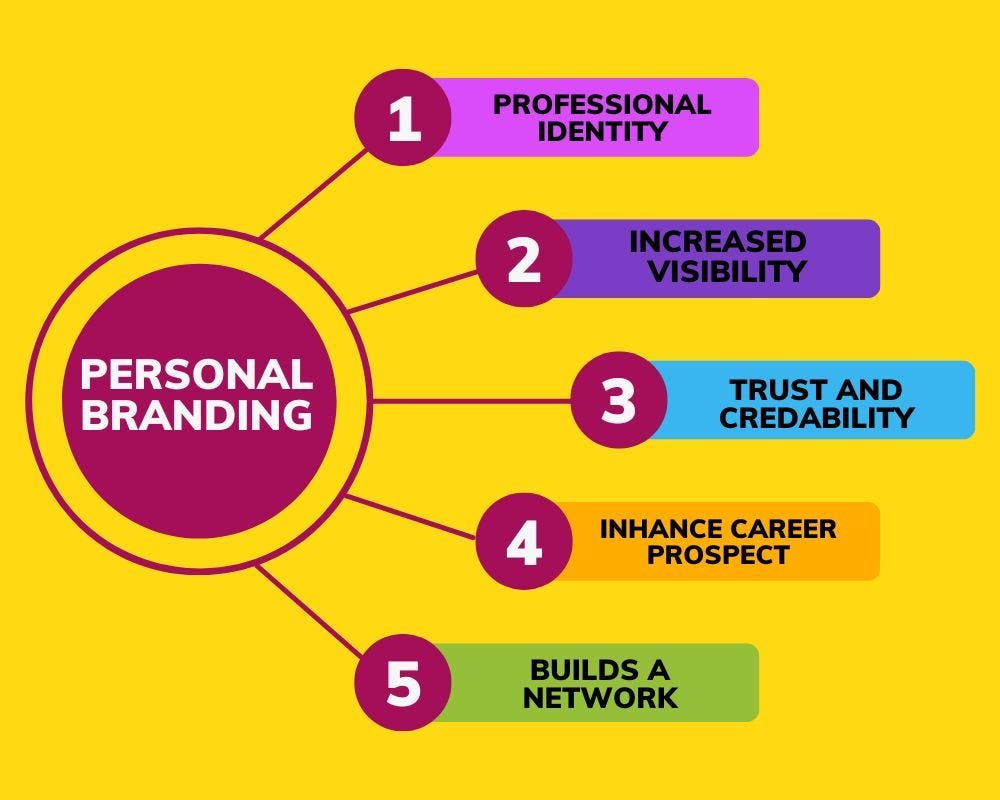
At the core of every magnetic personal brand is a crystal-clear UVP—what you uniquely offer that no one else can. It’s not your resume; it’s your story fused with expertise. For instance, Gary Vaynerchuk’s UVP is hustle culture meets empathy, attracting entrepreneurs worldwide.
Begin with self-reflection: What problems do you solve? What experiences shape your worldview? Conduct a SWOT analysis (Strengths, Weaknesses, Opportunities, Threats) tailored to your niche. Interview past clients or colleagues for unfiltered feedback. Tools like Canva’s brand kit generator help visualize your UVP through mood boards.
Articulate it succinctly: “I help [audience] achieve [outcome] by [method].” Example: “I help tech startups scale revenue by 3x through AI-driven marketing.” Infuse this into your bio, website headline, and content. Consistency across platforms reinforces your UVP, making you memorable. Remember, authenticity trumps perfection—vulnerability builds trust faster than polish.
Create Content That Positions You as an Authority

Content is your brand’s voice, but not all content creates opportunities. Ditch clickbait for value-packed assets like case studies, frameworks, and deep-dive guides. Aim for the “Skyscraper Technique”: Find top-performing content in your niche and create something 10x better.
Develop a content pillar strategy. Pillars are broad topics (e.g., “personal branding”), supported by clusters (e.g., “UVP development”). Publish long-form articles (2,000+ words) on your site, repurpose into LinkedIn posts, Twitter threads, and YouTube videos. SEO optimize with tools like Ahrefs or SEMrush—target keywords like “build personal brand for opportunities” with low competition and high intent.
Guest post on authority sites (e.g., Forbes, Entrepreneur) to borrow their audience. Host webinars or podcasts interviewing industry leaders; this positions you as a connector. Track engagement depth: comments with questions indicate opportunity leads. Over time, your content becomes a lead magnet, funneling prospects to your email list via opt-ins like free e-books.
Build Authentic Relationships Over Transactions

Opportunities flourish in networks of genuine relationships, not cold pitches. Personal branding thrives on reciprocity—give value first. Engage daily: Comment thoughtfully on influencers’ posts, share their wins, and offer insights without expecting returns.
Leverage LinkedIn’s advanced search for ideal connections (e.g., “marketing directors at SaaS companies”). Personalize outreach: “Loved your post on SEO trends—here’s how I applied it to double my leads.” Join or create masterminds, attend virtual summits, and host AMAs. Tools like Calendly streamline discovery calls.
Nurture with a CRM: Segment contacts into “warm leads” and send tailored newsletters. Celebrate others’ milestones publicly. Case in point: Tim Ferriss built his empire through podcast interviews, turning guests into advocates who refer opportunities back. This “give-to-get” ethos turns your brand into a hub of mutual growth.
Leverage Platforms Strategically for Maximum Reach
Don’t spray and pray across every platform. Choose 2-3 where your audience lives. LinkedIn for B2B pros, Twitter for thought leaders, Instagram for visuals/creatives. Own your website as the central hub—use WordPress with Yoast SEO for control.
Optimize profiles: Professional photo, compelling headline with UVP, featured content carousel. Post cadence: 3-5 times weekly, mixing formats. Use visuals—infographics boost shares 3x. Cross-promote: LinkedIn article links to Twitter thread linking to YouTube.
Collaborate via co-created content or shoutouts. Paid boosts? Target lookalikes of your best connections. Analytics rule: Platforms’ insights reveal top performers. Pivot accordingly. This multi-channel synergy amplifies your brand without burnout.
Measure, Iterate, and Scale Your Brand
Sustainable branding requires iteration. Beyond clicks, track opportunity KPIs: conversion rate from content to consultations, lifetime value of referrals, network growth. Use UTM parameters for source tracking.
Quarterly reviews: What content drove deals? A/B test headlines, CTAs. Invest in premium tools like ConvertKit for emails or BuzzSumo for trends. Scale by delegating—hire a VA for scheduling, focus on high-leverage creation.
Real-world example: Seth Godin’s blog, consistent since 2002, attracts publishers and speakers without ads. His metric? Book deals and speaking gigs. Emulate by setting 90-day goals: “Secure 5 partnerships.” Adjust based on data, not feelings.
Case Studies: Brands That Mastered Opportunity Attraction
Consider Brené Brown: From academic to TED sensation, her vulnerability-focused brand landed Netflix specials and corporate keynotes. Strategy? Deep content on shame/resilience, consistent messaging.
Jay Baer, customer experience expert, built his via “Talk Triggers”—free frameworks shared generously, leading to consulting retainers. Neil Patel’s SEO empire? Transparent experiments shared publicly, drawing agency clients.
These icons prove: Depth over breadth. Replicate by niching down initially, then expanding. Track their playbooks via podcasts/interviews.
Conclusion: Your Brand, Your Future
Building a personal brand that attracts opportunities demands patience, strategy, and authenticity. Move beyond clicks by defining your UVP, creating authority content, fostering relationships, and measuring wisely. Start small: Update your LinkedIn today, publish one pillar post weekly. In 6-12 months, watch opportunities unfold—jobs, ventures, partnerships.
Commit to this shift, and your brand becomes a beacon. Not just seen, but sought after. Ready to build? Your network awaits.
(Word count: 1,248)