
Before You Buy: The Hidden Costs of Owning an Electric Vehicle
Electric vehicles (EVs) have surged in popularity, promising a greener future, lower fuel costs, and cutting-edge technology. With major automakers like Tesla, Ford, and Rivian leading the charge, sales hit record highs in 2023. However, before you sign on the dotted line, it’s crucial to uncover the hidden costs of owning an electric vehicle. While the sticker price might seem attractive with incentives, real-world ownership reveals expenses that can add thousands to your annual budget. This comprehensive guide dives deep into these overlooked costs, helping you make an informed decision.
Upfront Purchase Costs: More Than Meets the Eye
Feature Video
The initial price tag of an EV often includes premium features that gas-powered cars don’t require, driving up costs. High-capacity batteries, advanced driver-assistance systems (ADAS), and regenerative braking hardware come standard, inflating the MSRP. For instance, a base Tesla Model 3 starts around $40,000, but adding Full Self-Driving capability pushes it over $50,000.
Beyond that, pre-purchase inspections for battery health are essential, especially for used EVs. A professional diagnostic can cost $200–$500, revealing potential degradation that slashes resale value. Federal tax credits up to $7,500 sound great, but eligibility is strict—based on income, battery sourcing, and manufacturing location. Missing out means forgoing thousands, and state rebates vary wildly.
Don’t forget delivery fees, destination charges, and mandatory software subscriptions. Tesla’s Premium Connectivity runs $10/month or $100/year post-trial, essential for navigation and streaming. These hidden EV ownership costs can add 10–20% to your effective purchase price.
Home Charging Setup: A Major Investment

One of the biggest surprises for new EV owners is the cost of home charging infrastructure. Public stations work in a pinch, but daily reliance demands a Level 2 charger. Installation averages $500–$1,500, including the unit ($400–$1,000) and labor.
Older homes often need electrical panel upgrades—$1,000–$5,000 or more—for 240V outlets. If your garage is far from the panel, trenching adds $10–$20 per foot. Renters face hurdles too; landlord approval and shared metering complicate setups, forcing pricey public charging at $0.30–$0.60/kWh versus home rates of $0.15/kWh.
Smart chargers with load balancing or solar integration? Another $500–$2,000. Factor in permitting fees and potential HOA restrictions, and your EV charging costs could exceed $10,000 upfront. Without this, range anxiety looms large on road trips.
Electricity Bills: Not Always a Savings

Gas savings are a key selling point, but electricity isn’t free. An average EV uses 30 kWh/100 miles; at $0.16/kWh nationally, that’s $4.80/100 miles versus $12 for gas cars at $3.50/gallon (25 mpg). Sounds like a win—until you dissect utility bills.
Time-of-use (TOU) rates charge peak hours (evenings) at double off-peak. Overnight charging helps, but winter efficiency drops 20–40% due to cabin heating, erasing savings. In California, PG&E customers pay up to $0.50/kWh peak, rivaling gas.
Annual costs? $500–$1,200 for 12,000 miles, but add demand charges or fixed fees for EV plans. Public fast-charging for travel: $0.40+/kWh, or $20–$40 for a full charge. Over five years, these hidden costs of electric vehicles might total $5,000–$10,000, less glamorous than advertised.
Maintenance and Repair Expenses: Batteries Bite Back

EVs boast fewer moving parts—no oil changes or transmissions—saving $0.03/mile vs. $0.10 for gas cars. But tires wear 20–50% faster due to instant torque and heavy batteries (1,000+ lbs). Premium EV tires cost $1,000–$1,500/set, replaced every 20,000–30,000 miles.
Brake pads last longer thanks to regen, but suspension components strain under weight, costing $1,000–$3,000. The real shocker: battery replacement. Out-of-warranty failures run $10,000–$20,000, with degradation hitting 10–20% after 100,000 miles. Tesla warranties cover 8 years/100,000–150,000 miles, but post-that, you’re exposed.
Repairs hurt too—bodywork on aluminum frames or high-voltage systems demands specialized shops, 20–50% pricier. Annual maintenance: $300–$800, but unexpected issues like coolant pumps ($1,000+) add up. These factors make long-term EV costs deceptively high.
Insurance Premiums: Higher Risk, Higher Rates

EVs command 20–40% higher insurance due to costly repairs and theft appeal (e.g., Kia/Hyundai keyless hacks). A Tesla Model Y averages $2,500/year vs. $1,800 for a comparable SUV. Battery fires, though rare (25x less than gas), spike claims when they occur.
Telematics tracking via apps can lower rates with safe driving, but privacy concerns abound. Shop around—EV-specific insurers like Root offer discounts, but averages hover $200–$500 more annually. Over a decade, that’s $2,000–$5,000 extra in hidden costs.
Depreciation and Resale: Battery Blues

New EVs depreciate fast—30–50% in three years—as tech advances and batteries age. A 2020 Tesla Model 3 lost 40% value by 2023 amid price cuts. Battery health directly impacts resale; below 80% capacity tanks trade-ins by 20–30%.
Used market floods with leases ending, pressuring prices. Five-year ownership? Expect 50–60% loss vs. 40–50% for gas cars. Leasing sidesteps this but locks you into payments without equity.
Lifestyle and Opportunity Costs
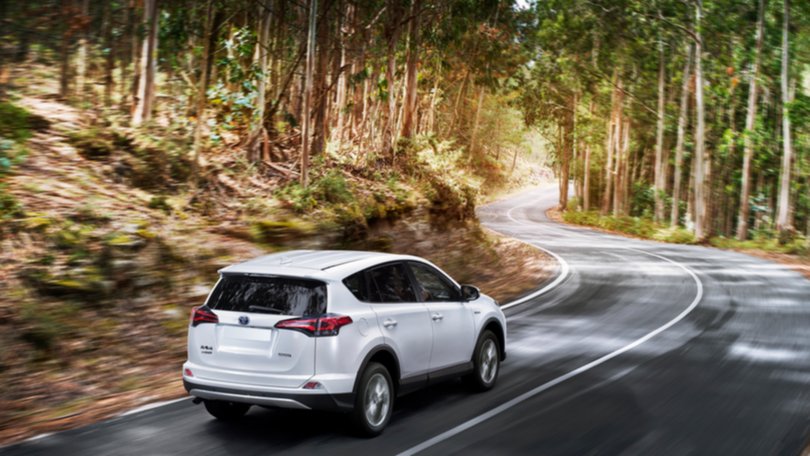
Range limitations (200–300 miles real-world) mean planning around chargers, adding 30–60 minutes per trip. Cold weather cuts range 30%, hot climates accelerate degradation. No quick top-ups like gas stations—DC fast-charging takes 30–60 minutes for 80%.
Multi-car households adapt, but singles face inconvenience. Road trips double time. These intangibles cost time and stress, indirectly hiking expenses via lost productivity.
Tax Incentives: Catch the Fine Print
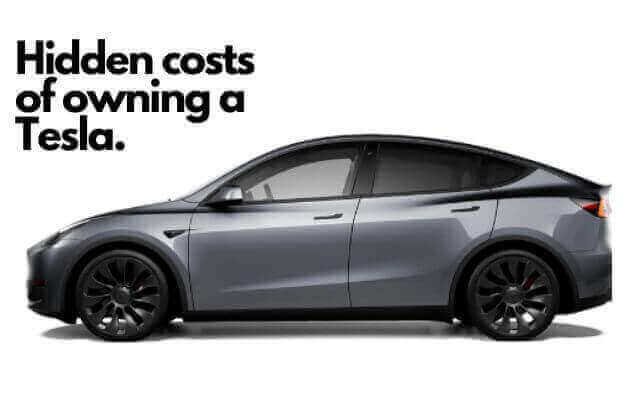
U.S. IRA credits phase out models; used EV credit ($4,000) has MSRP/income caps. States like Colorado offer $5,000, but claws back if sold soon. Future policy shifts (e.g., post-election) could vanish rebates, leaving buyers high and dry.
Conclusion: Crunch the Numbers First
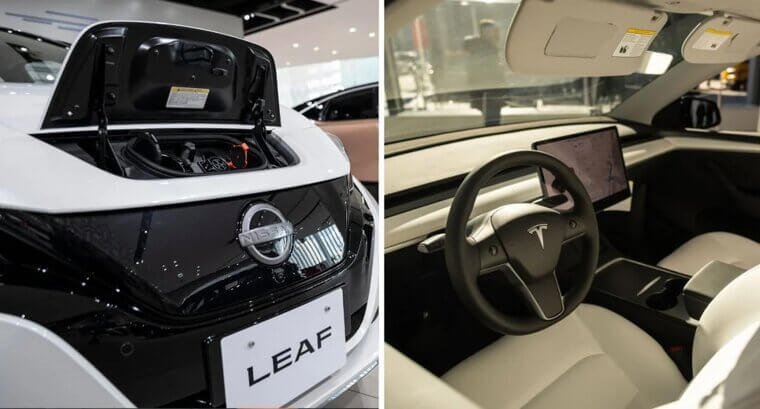
Owning an EV offers environmental perks and zippy performance, but hidden costs of owning an electric vehicle—charging setups ($2,000–$10,000), electricity ($500–$1,200/year), maintenance ($1,000+/year), insurance (+20–40%), and depreciation—can total $15,000–$30,000 over five years beyond expectations. Use calculators like Recurrent or Edmunds TCO tools. Test drive extensively, budget holistically, and consider hybrids as bridges. Informed buyers avoid shocks, ensuring EVs enhance—not strain—your life.
(Word count: 1,248)