
Chainsaw Man Reze Arc Movie: The Brutal Truth Why It’s Snubbing TV Seasons Completely!
Introduction to the Chainsaw Man Reze Arc Movie Phenomenon
Watch Related Video Coverage
In the wildly popular world of anime adaptations, few announcements have stirred as much excitement and debate as MAPPA’s reveal of “Chainsaw Man – The Movie: Reze Arc.” Fans of Tatsuki Fujimoto’s groundbreaking manga have been clamoring for more since the first season of the anime wrapped up in late 2022, leaving audiences on a cliffhanger just before diving into the explosive Reze Arc. But instead of continuing with a traditional TV season, the studio opted for a full-fledged theatrical movie. Why? This isn’t just a random choice—it’s a calculated move that could redefine how arc-based stories like Chainsaw Man are brought to life. In this deep dive, we’ll explore the plot teases, potential cast, and the rock-solid reasons this arc is movie-exclusive, not another bingeable TV season.
Chainsaw Man has already cemented its status as a cultural juggernaut. The manga, serialized in Weekly Shonen Jump from 2018 to 2020 for its first part, follows Denji, a devil hunter who merges with the Chainsaw Devil to become the titular hybrid. Season 1 of the anime masterfully adapted the Public Safety Saga’s early arcs, blending hyper-violence, dark humor, and emotional gut-punches. The Reze Arc, spanning roughly chapters 40 to 60 in the manga, picks up right after, introducing a new antagonist who promises to up the stakes in ways that demand a bigger canvas than episodic TV can provide.
Plot Breakdown: What Makes the Reze Arc Perfect for the Big Screen
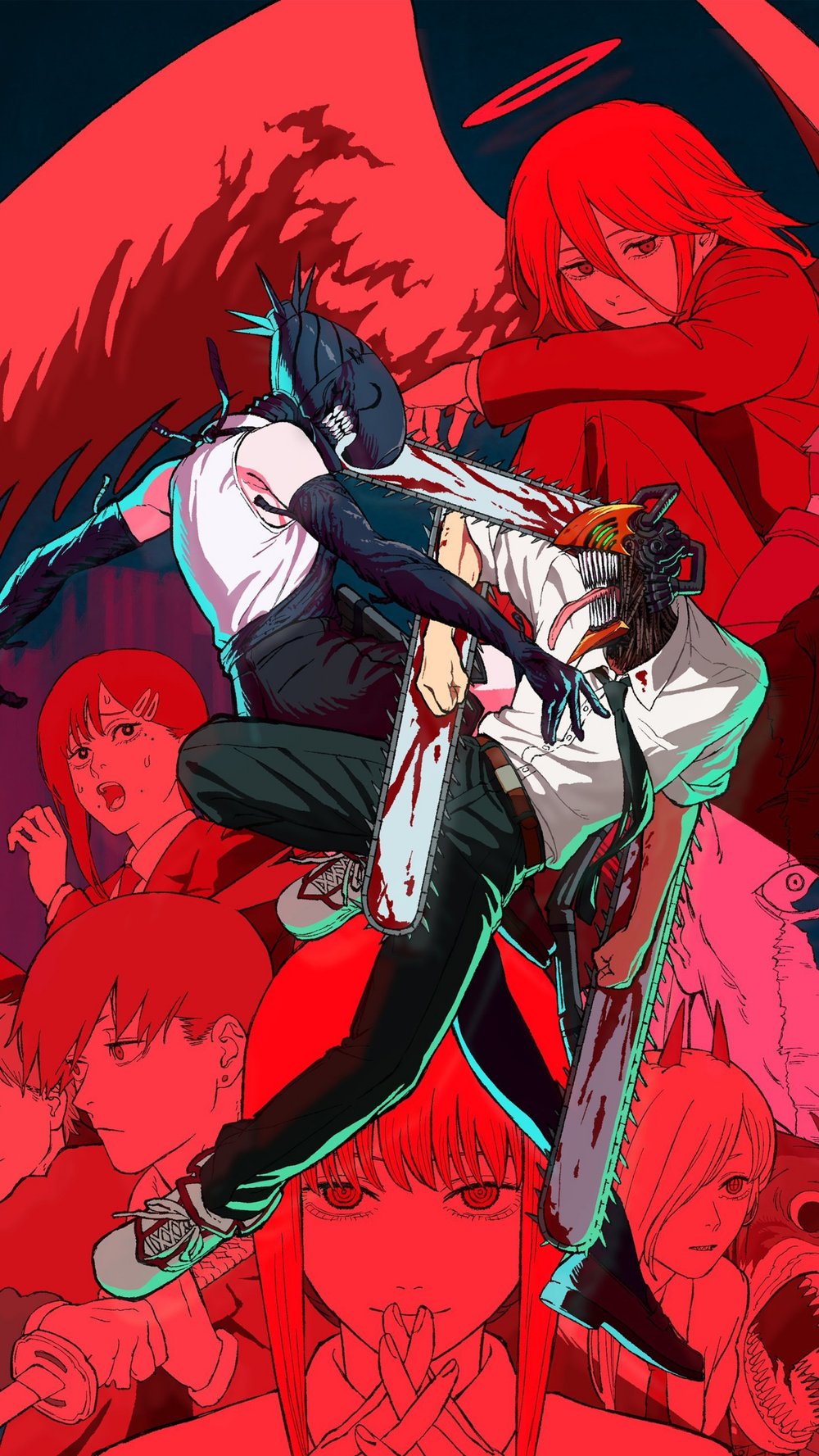
Without spoiling major twists for newcomers, the Reze Arc shifts gears from Denji’s chaotic devil-hunting routine into a more intimate, psychologically charged narrative. Denji, still grappling with his humanity after the events of the International Assassins Arc, encounters Reze—a mysterious girl who seems like the answer to his dreams of a normal life. But in Chainsaw Man, normalcy is just a facade for something far more devious. This arc delves into themes of identity, betrayal, and explosive action sequences that involve the Bomb Devil, leading to some of the manga’s most visually stunning and emotionally resonant moments.
Picture this: high-octane chases through urban landscapes, visceral hand-to-hand combat, and chainsaw-vs-explosion showdowns that would look underwhelming crammed into 12 episodes of 20 minutes each. The arc’s tight structure—fewer characters, a focused plotline, and a climactic payoff—mirrors classic movie narratives like “John Wick” or “Mission: Impossible,” where every scene builds to a spectacle. Adapting it as a TV season would dilute this intensity, forcing padding or rushed pacing. A movie runtime of 90-120 minutes allows MAPPA to unleash uncompromised animation quality, with fluid fight choreography and atmospheric tension that theaters amplify through booming sound systems and massive screens.
Fujimoto’s storytelling in this arc is notoriously compact yet dense, with subtle foreshadowing and character development that rewards close attention. TV formats often split arcs across seasons for filler or hype, but Reze’s self-contained nature screams “feature film.” It’s a bold pivot, similar to how “Demon Slayer” handled the Mugen Train arc as a movie, grossing over $500 million worldwide and proving anime films can dominate box offices.
Cast and Voice Talent: Familiar Faces with Movie-Level Polish
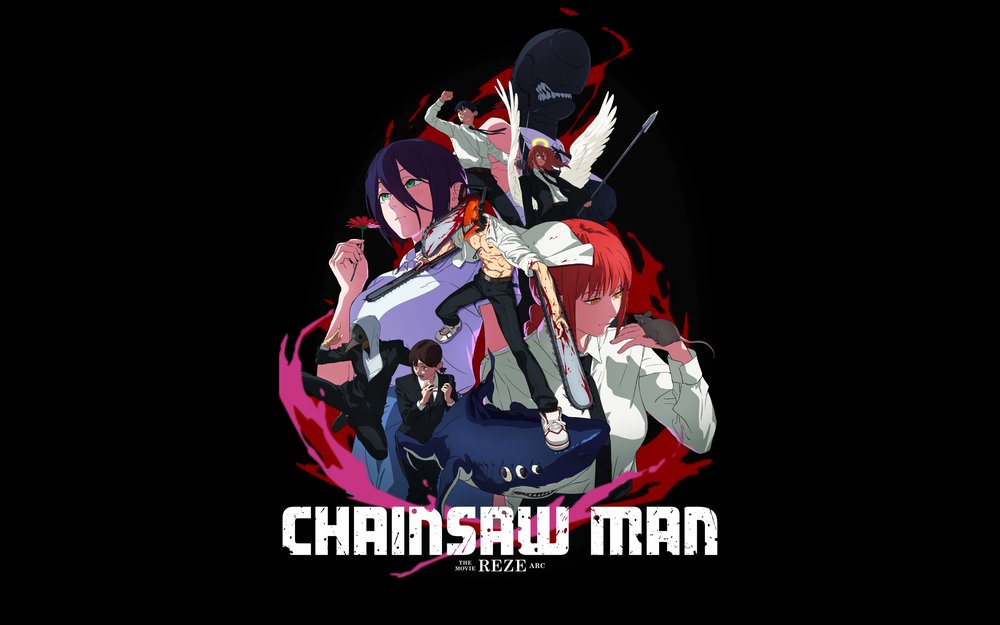
One of the biggest draws for fans is the returning voice cast from season 1, ensuring continuity in this high-stakes adaptation. Denji’s voice actor, Kikunosuke Toya, brought raw vulnerability and manic energy that made the character iconic. Expect him to shine in Reze’s more personal confrontations. Power, the blood-fiend horned girl, voiced by Ai Fairouz, and Aki Hayakawa, handled by Shogo Sakata, are likely to reprise their roles, as their arcs intersect crucially here.
The star of the show, Reze herself, remains uncast as of the announcement, but speculation points to a fresh talent capable of nailing her deceptively sweet yet ruthless demeanor. Past Chainsaw Man dubs featured heavy hitters like Ryan Colt Levy (English Denji) for international releases, suggesting a dual-language strategy for global theatrical runs. Director Tatsuki Fujimoto’s involvement in oversight, alongside MAPPA’s Ryū Nakayama (from season 1), promises the same kinetic direction but elevated for cinema. No live-action cast here—this is pure anime excellence, with potential for original music from the series’ composer, Kensuke Ushio, to deliver a score that hits harder in IMAX.
Why Not a TV Season? The 5 Game-Changing Reasons
Now, the million-dollar question: Why skip the TV format that’s been so successful for Chainsaw Man? Here are the irrefutable reasons, backed by industry trends and MAPPA’s strategy.
1. Theatrical Revenue and Hype Machine: TV seasons build steady streaming views, but movies rake in ticket sales. Demon Slayer’s movie success showed anime films can outperform Hollywood blockbusters. MAPPA, fresh off Jujutsu Kaisen 0’s $196 million haul, knows a Reze movie could fund future projects while capitalizing on Chainsaw Man’s hype. A TV season risks piracy dilution; theaters demand premium experiences.
2. Animation Budget and Quality Control: Season 1 was a visual feast, but TV constraints mean weekly deadlines and potential dips in quality. A movie allows months of polish—think intricate explosion effects and fluid transformations that would bankrupt a season’s budget. MAPPA’s workload (Attack on Titan, Jujutsu Kaisen) makes focused films more feasible than another 12-episode grind.
3. Arc Pacing Perfection: Reze Arc clocks in at about 20 chapters—ideal for 1.5-2 hours, not stretched TV. Forcing it into episodes could mean cliffhanger bait or filler, alienating Fujimoto purists. Movies preserve the manga’s breakneck pace, ending on a high note before Academy Saga teases.
4. Global Market Expansion: With Chainsaw Man exploding on Crunchyroll and Netflix, a movie targets international festivals like Annecy or TIFF, plus wide releases in the US, Europe, and Asia. TV is region-locked by broadcast schedules; films go viral via trailers and merch tie-ins.
5. Creative Risks and Fan Service: TV committees play safe; movies allow edgier content. Chainsaw Man’s gore, nudity, and mature themes thrive without censorship fears. Plus, post-credits scenes could hint at part 2, keeping fans rabid for more.
Fan Reactions and Industry Impact
The announcement lit up social media—#RezeArcMovie trended worldwide, with cosplayers and theorists flooding Twitter and Reddit. Some purists gripe about delayed gratification, but most praise the ambition. Critics like those from Anime News Network hail it as “MAPPA doubling down on cinema supremacy.” This could set a precedent: One Piece’s Egghead Arc as films? Jujutsu Kaisen spin-offs? Chainsaw Man’s movie gamble might reshape shonen adaptations.
Merchandise is already ramping up—Reze figures, posters, and soundtracks poised for release. Expect collaborations with brands like Good Smile Company for Nendoroids that capture her bombastic charm.
Final Verdict: A Chainsaw Revolution on the Horizon
The Chainsaw Man Reze Arc movie isn’t just an adaptation—it’s a statement. By forgoing TV seasons, MAPPA honors the source material’s intensity, maximizes spectacle, and positions Chainsaw Man as anime’s next theatrical titan. Whether you’re a manga veteran or anime newbie, this promises Denji’s most explosive outing yet. Mark your calendars: the big screen beckons, and it’s going to detonate. Stay tuned for trailers, and prepare for a Chainsaw Man experience that revs louder than ever.
(Word count: 1,056)