
Mental Burnout vs. Stress: How to Tell the Difference and Truly Recover
Understanding Stress and Burnout in Modern Life
Feature Video
In today’s fast-paced world, feelings of exhaustion, irritability, and overwhelm are all too common. But are you experiencing everyday stress or something more serious like mental burnout? Distinguishing between mental burnout vs. stress is crucial for effective recovery. Stress is a natural response to challenges, but burnout is a state of chronic physical and emotional exhaustion. This article explores the difference between burnout and stress, their symptoms, causes, and proven strategies to recover and prevent recurrence. By understanding these distinctions, you can take targeted steps toward better mental health.
According to the World Health Organization (WHO), burnout is recognized as an occupational phenomenon, not a medical condition, yet it affects millions globally. Stress, on the other hand, impacts nearly 80% of workers occasionally. Recognizing the signs early can prevent escalation, improve productivity, and enhance quality of life. Let’s dive into the definitions, differences, and recovery paths.
What is Stress? The Body’s Natural Alarm System
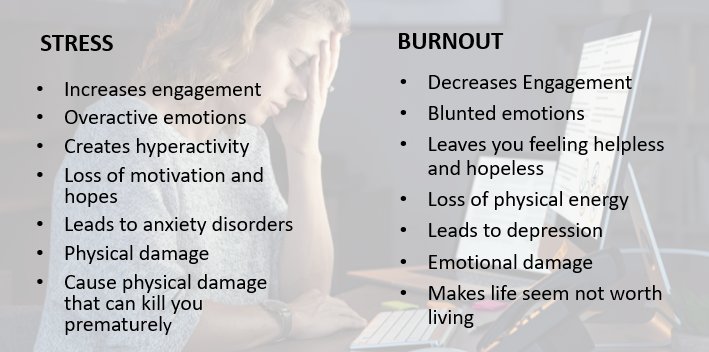
Stress is the body’s response to any demand or threat, real or perceived. It’s often short-term and can be positive (eustress), like the adrenaline rush before a big presentation, or negative (distress), such as deadline pressure. Physiologically, stress activates the fight-or-flight response, releasing cortisol and adrenaline to sharpen focus and energy.
Common triggers include work deadlines, financial worries, or relationship conflicts. Symptoms of stress include headaches, muscle tension, insomnia, anxiety, and irritability. Importantly, stress is usually manageable and subsides once the stressor is resolved. For instance, after submitting that report, you might feel relieved and energized again.
However, chronic stress occurs when demands persist without adequate recovery, potentially leading to health issues like high blood pressure or weakened immunity. The key with stress is its temporary nature—your performance might dip briefly but rebounds quickly.
What is Mental Burnout? When Exhaustion Takes Over
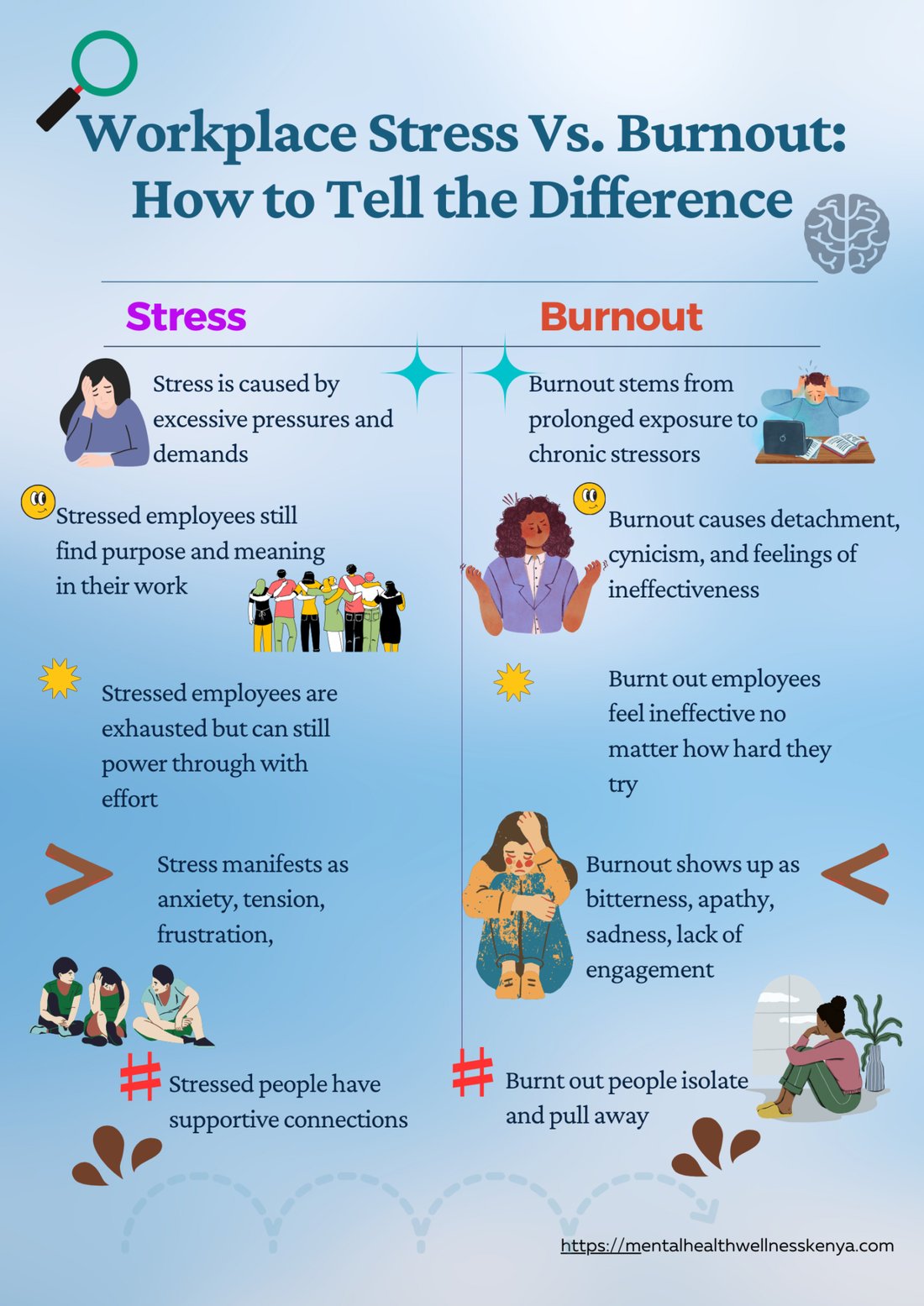
Mental burnout, first described by psychologist Herbert Freudenberger in the 1970s, is a prolonged response to unrelenting stress, particularly in work or caregiving roles. It’s characterized by three dimensions: emotional exhaustion, depersonalization (cynicism or detachment), and reduced personal accomplishment.
Unlike stress, burnout develops gradually, often over months or years. Symptoms are more severe: profound fatigue that rest doesn’t alleviate, feelings of helplessness, detachment from work or loved ones, pessimism, and physical ailments like frequent illnesses or gastrointestinal problems. Burnout sufferers often question their competence and lose motivation entirely.
The Mayo Clinic notes burnout increases risks for depression, anxiety disorders, and even heart disease. In burnout, performance plummets persistently, and recovery requires more than a vacation—it’s a deeper systemic reset.
Key Differences Between Burnout and Stress

To clarify mental burnout vs. stress, consider these contrasts:
- Duration and Intensity: Stress is acute and fluctuates; burnout is chronic and unrelenting.
- Motivation: Stressed individuals remain driven but overwhelmed; burnout leads to apathy and withdrawal.
- Energy Levels: Stress causes high energy followed by fatigue; burnout brings constant depletion.
- Mindset: Stress fosters urgency (“I must get this done”); burnout breeds cynicism (“Why bother?”).
- Physical Impact: Stress shows tension and restlessness; burnout manifests as total exhaustion and illness proneness.
A simple self-assessment: If a weekend off recharges you, it’s likely stress. If you dread returning to routine despite rest, suspect burnout. Tools like the Maslach Burnout Inventory can provide formal evaluation.
Causes: Why Stress Evolves into Burnout
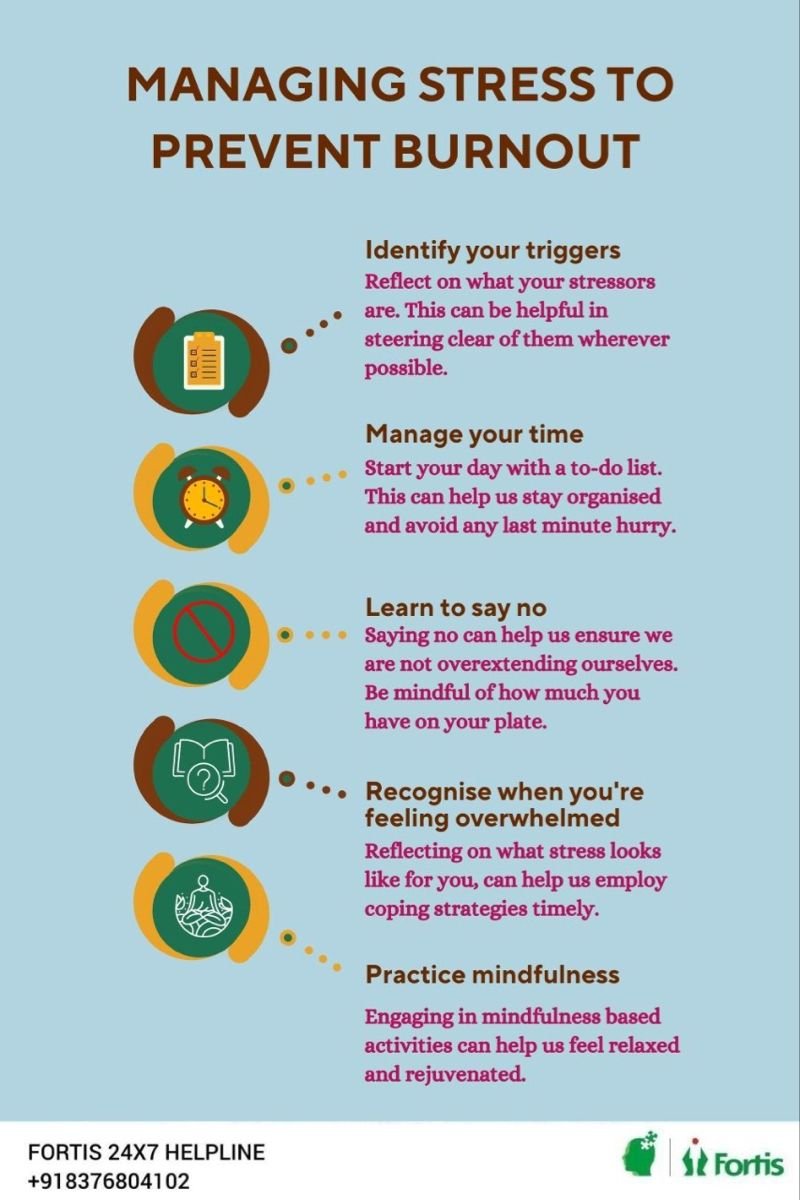
Stress becomes burnout due to imbalances. Common causes include excessive workloads, lack of control, insufficient rewards, poor work-life balance, and mismatched values. Personality factors like perfectionism or high achievement orientation heighten risk.
Workplace issues—micromanagement, unclear expectations, or toxic cultures—amplify this. Personal life stressors like caregiving or financial strain compound it. Unlike stress, which has identifiable triggers, burnout stems from cumulative, unresolved pressures.
Signs You’re Heading Toward Burnout

Early detection is key. Watch for:
- Chronic fatigue despite sleep
- Loss of enjoyment in hobbies
- Increased substance use (alcohol, caffeine)
- Frequent procrastination or errors
- Isolation from social circles
- Somatic complaints without medical cause
If stress feels like a sprint, burnout is a marathon collapse. Journaling symptoms over weeks can reveal patterns.
Recovering from Stress: Quick and Effective Strategies

Stress recovery focuses on immediate relief:
- Deep Breathing and Mindfulness: Practice 4-7-8 breathing to lower cortisol instantly.
- Physical Activity: 30 minutes of walking releases endorphins.
- Prioritization: Use Eisenhower Matrix to delegate or eliminate tasks.
- Social Support: Talk to friends; connection buffers stress.
- Sleep Hygiene: Aim for 7-9 hours; avoid screens pre-bedtime.
These restore balance swiftly, often within days.
Truly Recovering from Burnout: A Comprehensive Approach
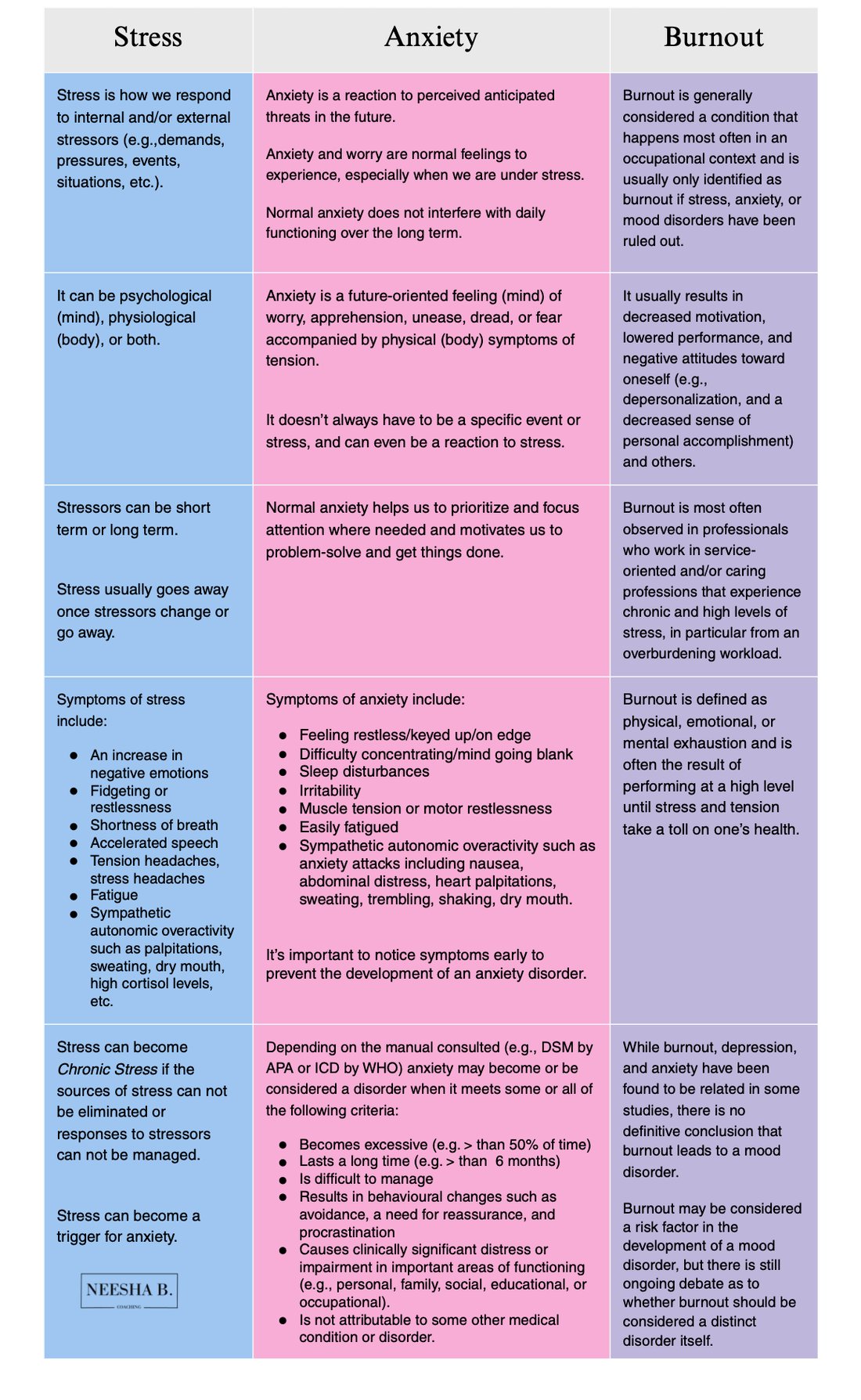
Burnout demands structured, long-term recovery—think 3-6 months minimum:
- Seek Professional Help: Therapy (CBT excels) or coaching identifies root causes.
- Set Boundaries: Say no; negotiate workload reductions.
- Rebuild Routines: Incorporate joy—hobbies, nature time, small wins.
- Nutrition and Exercise: Balanced diet, yoga, or strength training combat inflammation.
- Digital Detox: Unplug to reclaim mental space.
- Mindfulness Practices: Meditation apps like Headspace build resilience.
Research from the American Psychological Association shows combining therapy with lifestyle changes yields 70-80% improvement rates. Track progress with journals or apps.
Prevention: Building Resilience Against Both
Prevent escalation with proactive habits:
- Regular self-check-ins
- Work-life integration, not just balance
- Fostering supportive environments
- Skill-building (time management, assertiveness)
- Annual “reset” periods
Organizations can help via wellness programs, reducing burnout incidence by 25%, per Gallup studies.
Conclusion: Take Control of Your Mental Health Today
Understanding mental burnout vs. stress empowers you to act decisively. Stress is navigable; burnout requires bold changes. Prioritize recovery—your future self will thank you. If symptoms persist, consult a healthcare professional. With the right strategies, true recovery and prevention are achievable, leading to sustained well-being.
(Word count: 1,248)