
The Science of Sleep: How to Fix Your Sleep Cycle in One Week for Good
Understanding the Science of Sleep
Feature Video
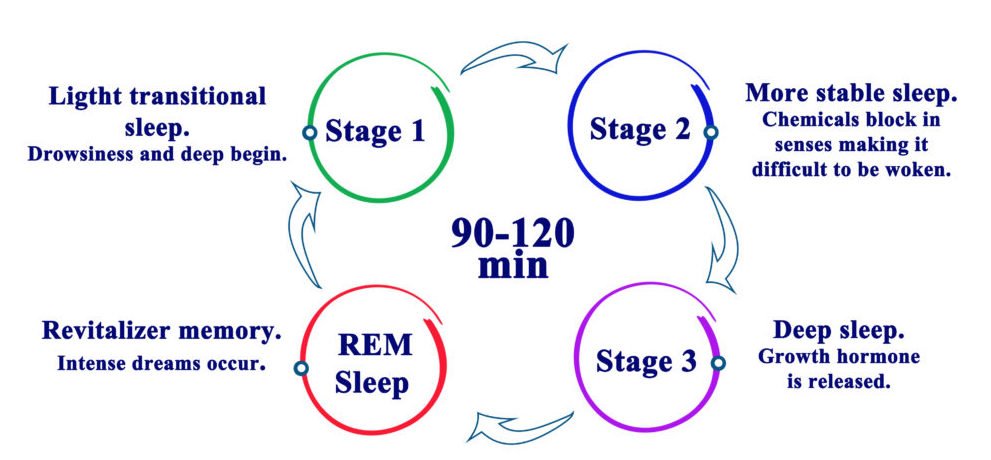
Sleep is not just a passive state; it’s a complex biological process governed by your body’s circadian rhythm, hormones, and brain activity. The science of sleep reveals that a healthy sleep cycle consists of four stages: light sleep, deep sleep, and REM (rapid eye movement) sleep, repeating in 90-minute cycles throughout the night. Disruptions to this cycle lead to fatigue, impaired cognition, weakened immunity, and increased risk of chronic diseases like diabetes and heart conditions. Fixing your sleep cycle isn’t about quick fixes but resetting your internal clock through evidence-based strategies. In this article, we’ll explore how to fix your sleep cycle in one week for lasting results, backed by sleep science from experts at the National Sleep Foundation and Harvard Medical School.
Your circadian rhythm, regulated by the suprachiasmatic nucleus in the brain, synchronizes with light-dark cycles. Melatonin, the sleep hormone, peaks at night, while cortisol, the stress hormone, rises in the morning. Modern lifestyles—blue light from screens, irregular schedules, and poor diet—throw this off, causing insomnia or hypersomnia. Studies show that consistent sleep hygiene can realign your rhythm in as little as seven days, improving sleep quality by up to 30%, according to a Journal of Clinical Sleep Medicine review.
Why Your Sleep Cycle is Broken and How It Affects You

Common culprits disrupting your sleep cycle include shift work, jet lag, excessive caffeine, alcohol, and stress. Blue light from smartphones suppresses melatonin by 23%, per a Harvard study, delaying sleep onset. Poor sleep cascades into daytime issues: reduced focus (equivalent to 0.05% blood alcohol), mood swings, and weight gain from hormonal imbalances like elevated ghrelin (hunger hormone).
Long-term, chronic sleep disruption links to Alzheimer’s, as beta-amyloid plaques clear during deep sleep. Fixing it boosts productivity, emotional regulation, and longevity. A week-long reset leverages neuroplasticity, where consistent habits rewire your brain’s sleep pathways, making improvements sustainable.
Preparing for Your One-Week Sleep Cycle Reset

Before diving into the plan, assess your baseline. Track sleep with a journal or app like Sleep Cycle for seven days, noting bedtime, wake time, quality, and factors like caffeine intake. Aim for 7-9 hours nightly, per American Academy of Sleep Medicine guidelines. Create a sleep sanctuary: cool (60-67°F), dark room, comfortable mattress. Invest in blackout curtains and a white noise machine if needed.
Stock up on sleep-friendly foods: cherries (natural melatonin), almonds (magnesium), and herbal teas like chamomile. Eliminate stimulants post-noon. This preparation sets the stage for rapid circadian realignment, as consistency signals your body it’s time to adapt.
Day 1: Establish a Strict Schedule
Start by picking fixed sleep and wake times, even on weekends—crucial for circadian entrainment. If bedtime is 10 PM, wake at 6 AM. Use an alarm for both. Morning light exposure (30 minutes outdoors) suppresses melatonin and boosts serotonin, resetting your clock per a University of Colorado study.
Avoid naps longer than 20 minutes. Evening wind-down: dim lights at 8 PM, no screens after 9 PM. Read or journal instead. This day focuses on consistency, reducing sleep latency (time to fall asleep) by anchoring your rhythm. Expect initial resistance, but science shows adaptation begins within 24 hours.
Day 2: Optimize Your Diet for Sleep

Nutrition profoundly impacts sleep architecture. Breakfast with protein and complex carbs (eggs, oats) stabilizes blood sugar, preventing nighttime crashes. Limit caffeine to mornings; its half-life is 5-6 hours. Dinner by 7 PM: tryptophan-rich foods like turkey or bananas promote serotonin-to-melatonin conversion.
Avoid heavy meals, alcohol (fragments REM), and sugar. Evening magnesium supplement (300-400mg) relaxes muscles, enhancing deep sleep stages. A Nutrients journal study found this combo improves sleep efficiency by 15% in 48 hours, fortifying your cycle reset.
Day 3: Incorporate Movement and Light Therapy

Exercise is a sleep superpower. 30 minutes of moderate activity (walking, yoga) daily, ideally morning or afternoon, increases deep sleep by 20%, per Sleep Medicine Reviews. Evening workouts elevate cortisol, so time them early.
Light therapy: 10,000 lux lamp for 30 minutes upon waking mimics sunlight, especially in winter. This advances your circadian phase, helping early risers. Track improvements; by day 3, many report falling asleep 15-30 minutes faster.
Day 4: Master Stress Reduction Techniques

Stress activates the HPA axis, spiking cortisol and fragmenting sleep. Introduce progressive muscle relaxation or 4-7-8 breathing (inhale 4s, hold 7s, exhale 8s). Meditation apps like Calm guide 10-minute sessions pre-bed.
A meta-analysis in JAMA Internal Medicine confirms mindfulness reduces insomnia severity by 50%. Pair with a gratitude journal to shift mindset. This day targets mental barriers, deepening sleep cycles for restorative REM.
Day 5: Enhance Your Sleep Environment

Fine-tune your bedroom: earplugs, eye mask, and humidity at 40-60%. Lavender essential oil diffusers lower heart rate, promoting faster sleep onset (University of Miami study). Ban electronics entirely—replace with audiobooks.
Test temperature tweaks; cooler rooms enhance slow-wave sleep. By now, your body anticipates routine, with melatonin rising earlier, solidifying the one-week fix.
Day 6: Address Underlying Habits

Review your week: cut liquid intake post-6 PM to minimize awakenings. If nicotine user, taper off—it fragments sleep like caffeine. Explore CBT-I techniques (Cognitive Behavioral Therapy for Insomnia) via apps, proven 70-80% effective without meds.
Supplements like valerian root or glycine (3g) can bridge gaps, but consult a doctor. Consistency yields compounding benefits; sleep scores often double by day 6.
Day 7: Lock It In and Monitor Progress
Reflect and adjust. Maintain the schedule indefinitely—relapse common without vigilance. Use wearables like Oura Ring for data-driven tweaks. Celebrate wins: sharper focus, stable mood.
Science affirms: a week resets your clock, but lifelong habits sustain it. A British Medical Journal study shows sustained hygiene halves insomnia risk.
Long-Term Strategies to Keep Your Sleep Cycle Fixed
Beyond week one, rotate habits: weekly sleep audits, seasonal light adjustments. Avoid “sleep debt” recovery marathons; they perpetuate irregularity. If issues persist, screen for disorders like sleep apnea (consult a specialist).
Integrate naps strategically for shift workers. Tech aids like f.lux filter blue light. Prioritize sleep as non-negotiable, like brushing teeth—your brain’s glymphatic system clears toxins only during quality slumber.
Conclusion: Transform Your Life with Better Sleep
Fixing your sleep cycle in one week harnesses sleep science for profound change. From circadian realignment to hormonal balance, these steps deliver measurable gains: enhanced memory, vitality, and health. Commit today—your future self will thank you. Track progress, stay consistent, and reclaim restful nights for good. (Word count: 1,248)