
Decoding Your Payslip: Hidden Fees and Benefits You’re Missing
Decoding Your Payslip: Hidden Fees and Benefits You’re Missing
Your payslip is more than just a piece of paper or a digital statement confirming how much money you’ve earned—it’s a treasure map to your financial health. Yet, many employees glance at the bottom line, the net pay, and file it away without a second thought. This oversight could mean you’re missing out on valuable benefits or unknowingly paying hidden fees that eat into your income. In this comprehensive guide, we’ll decode your payslip step by step, uncovering hidden fees in payslips and the benefits you might be overlooking. Whether you’re a salaried professional, hourly worker, or contractor, understanding your payslip empowers you to negotiate better, spot errors, and maximize your earnings.
What is a Payslip and Why Does It Matter?
Feature Video
A payslip, also known as a wage slip or paycheck stub, is a document provided by your employer detailing your earnings, deductions, and net pay for a specific pay period. By law in most countries, including the UK, US, and EU nations, employers must provide payslips. It’s your legal record of income for tax purposes, loan applications, and disputes.
Decoding payslips isn’t just about compliance; it’s financial literacy in action. According to a 2023 survey by the Financial Conduct Authority, over 40% of UK workers couldn’t identify key deductions on their payslip. This ignorance leads to missed tax refunds, undetected over-deductions, and unclaimed benefits. Imagine discovering an extra £500 in annual benefits or reclaiming £200 in overpaid taxes— that’s real money back in your pocket.
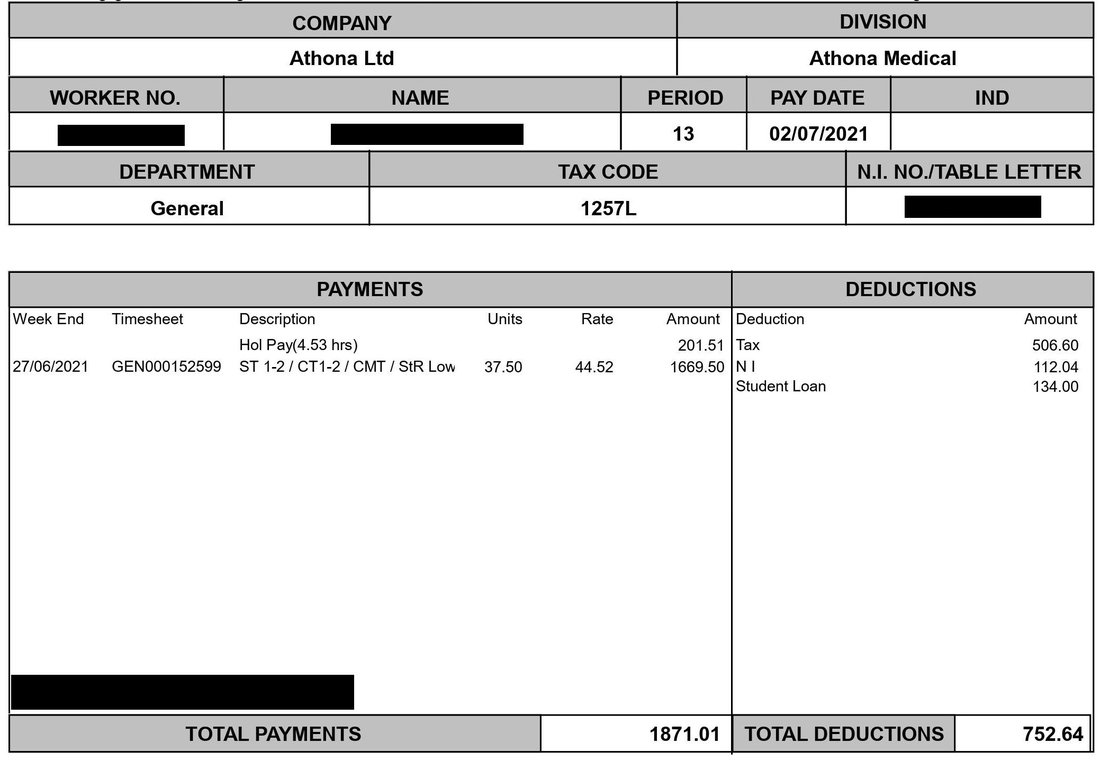
Breaking Down the Key Sections of Your Payslip
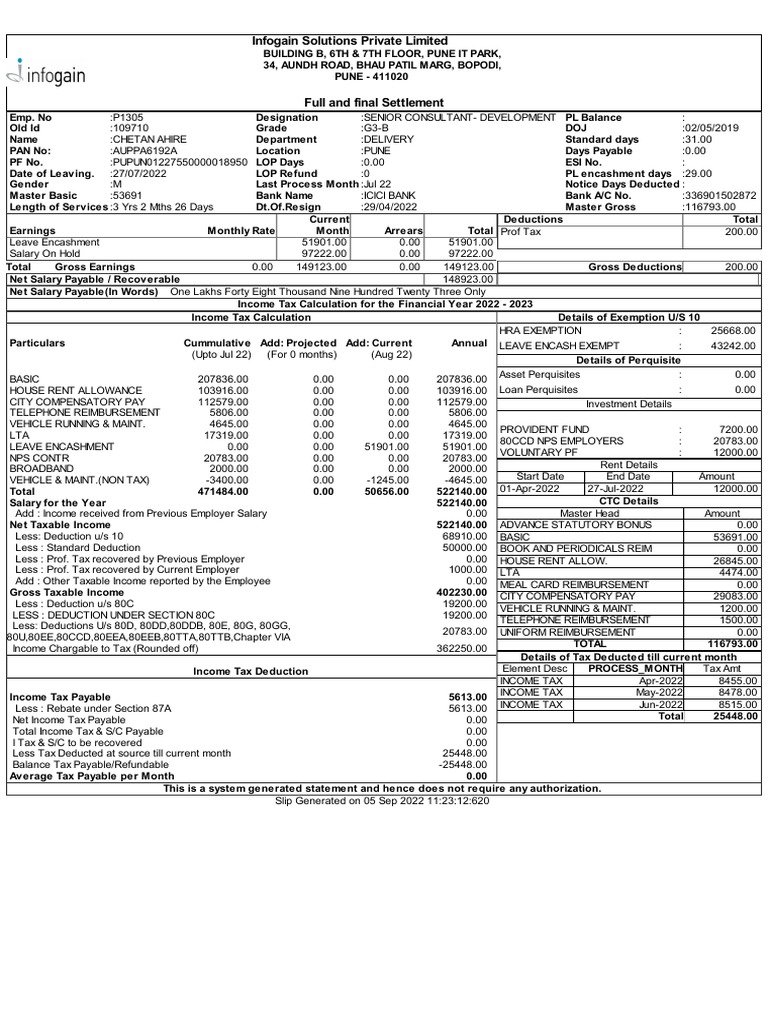
Typical payslips are divided into earnings, deductions, and net pay. Let’s dissect each:
Gross Pay: This is your total earnings before deductions. It includes base salary, overtime, bonuses, commissions, and allowances like shift premiums or car allowances. Hidden gem: Look for ‘non-taxable allowances’ such as meal vouchers or relocation expenses, which boost your take-home without tax implications.
Deductions: The real culprits of hidden fees. Common ones include income tax, national insurance/social security, pension contributions, and student loan repayments. But watch for sneaky ones:
- Union or Professional Fees: Automatic deductions for memberships you forgot about.
- Loan Repayments: Salary advances or company loans with interest.
- Admin or Processing Fees: Some employers charge for payroll processing.
- Overpaid Holiday Pay: Clawbacks from previous periods.
Net Pay: What’s deposited into your bank. Always reconcile this with your bank statement.
Year-to-Date (YTD) Figures: Cumulative totals help track annual progress toward tax thresholds.
Unmasking Hidden Fees in Your Payslip

Hidden fees in payslips are deductions disguised as standard line items, often small but cumulative. Here’s how to spot them:
1. Pension Auto-Enrolment Traps: Mandatory in many countries, but check if you’re over-contributing. If your employer matches only up to 5%, why give 8%? Opt out or adjust if self-employed.
2. Benefit-in-Kind (BIK) Taxes: Company cars, private health insurance, or gym memberships are taxable perks. Your payslip shows the ‘taxable value,’ which might inflate your tax band unexpectedly.
3. Childcare Voucher Schemes: Legacy programs in some regions; if phased out, ensure no ghost deductions linger.
4. Voluntary Deductions: Charity donations, savings schemes, or cycle-to-work deductions. Review annually—are they still relevant?
A real-world example: Sarah, a marketing executive, noticed a £15 monthly ‘admin fee’ on her payslip. Upon querying HR, it was a payroll service charge. She negotiated its removal, saving £180 yearly. Proactive decoding pays off.
Pro Tip: Use online payslip calculators from HMRC (UK) or IRS (US) to verify deductions. Discrepancies? Contact payroll immediately—errors happen 15% of the time, per a 2022 Deloitte report.
Benefits You’re Missing: The Untapped Goldmine

While fees drain, benefits enrich. Many payslips list them subtly or not at all. Here’s what to hunt for:
Tax-Free Perks:
- Pension Contributions: Employer matches can double your retirement savings.
- Private Medical Insurance (PMI): Often free, worth £1,000+ annually.
- Life Assurance: 4x salary coverage at no cost.
Flexible Benefits Platforms: Modern employers use apps like Pluxee or Thanksben for ‘salary sacrifice’ schemes. Swap salary for tax-free bikes, electric cars, or childcare—saving up to 40% via reduced NI and tax.
Overtime and Shift Allowances: Ensure they’re itemized. Night shifts might qualify for premium rates.
Unused Holiday Pay: Accrued but untaken leave must be paid out upon leaving—check YTD balances.
Case Study: In the US, John overlooked his 401(k) employer match on his stub. Enrolling retroactively added $3,000 to his fund. Globally, unclaimed benefits cost workers $100 billion yearly, estimates Glassdoor.
Step-by-Step Guide to Decoding Your Payslip

Follow this checklist every payday:
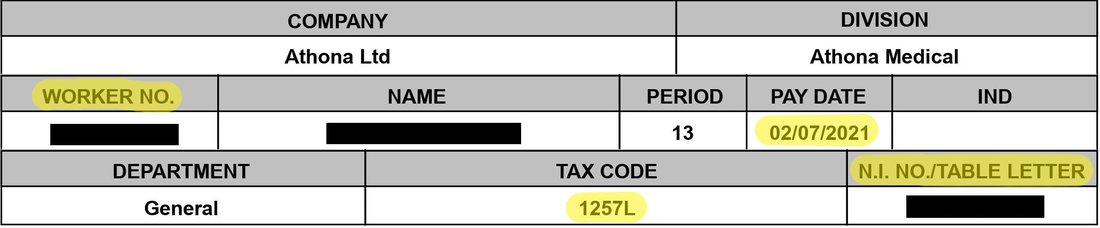
1. Verify personal details: Name, tax code (e.g., 1257L in UK), NI number.
2. Cross-check gross pay against contract.
3. Scrutinize deductions: Match against tax bands (e.g., 20% basic rate).
4. Note YTD vs. projections—adjust tax code if under/overpaying.
5. Hunt benefits: Ask HR about unlisted perks.
6. Save digitally: Use apps like WageSync for analysis.
For contractors, watch IR35 rules (UK) or 1099 forms (US)—misclassification hides benefits.
Common Payslip Mistakes and How to Fix Them
Errors abound: Wrong tax code (affects 25% of UK taxpayers), missing overtime, or double pension deductions. If freelance, ensure payslips comply with Making Tax Digital.
Fixes: Lodge P55/P60 disputes, use self-assessment for refunds, or switch to real-time payroll systems.
Maximizing Your Payslip: Actionable Tips
To turn knowledge into gains:
- Join salary sacrifice for EVs or childcare.
- Negotiate higher base pay using payslip data.
- Track for appraisals—quantify your value.
- Educate via free resources: MoneyHelper (UK), NerdWallet (US).
Employers benefit too—transparent payslips reduce turnover by 20%, per CIPD.
Conclusion: Take Control of Your Finances Today
Decoding your payslip demystifies deductions, exposes hidden fees in payslips, and reveals benefits you’re missing. It’s not just paperwork; it’s your financial dashboard. Start today: Print your latest payslip, grab a highlighter, and audit. You could uncover hundreds in savings or perks. Stay vigilant, query boldly, and watch your wealth grow. For personalized advice, consult a financial advisor or use official tax tools. Your future self will thank you.
(Word count: 1215)