
Secrets to Making Restaurant Quality Basmati Rice at Home
Have you ever wondered why the basmati rice at your favorite Indian restaurant is always fluffy, aromatic, and perfectly separated? Achieving restaurant-quality basmati rice at home isn’t as elusive as it seems. With the right techniques, premium ingredients, and a few insider secrets, you can elevate your home-cooked meals to gourmet levels. Basmati rice, known for its long grains, nutty flavor, and delightful fragrance, is a staple in many cuisines, especially Indian, Middle Eastern, and Persian dishes. This comprehensive guide reveals the secrets to cooking basmati rice that rivals any professional chef’s version. Whether you’re pairing it with butter chicken, biryani, or grilled kebabs, mastering this skill will transform your kitchen game.
Selecting the Best Basmati Rice
Feature Video
The foundation of restaurant-quality basmati rice starts with choosing the right product. Not all basmati rice is created equal. Opt for aged basmati rice, which has been stored for at least one to two years. Aging enhances the rice’s aroma, elongates the grains, and ensures they remain separate after cooking. Look for labels like “extra-long grain” or “premium aged basmati” from reputable brands such as India Gate, Daawat, or Tilda.
When shopping, check for these key indicators of quality: the rice should be ivory or golden in color, not white (which might indicate polishing that strips natural flavors). Authentic basmati originates from the foothills of the Himalayas in India or Pakistan, so verify the geographical indication (GI) tag. Avoid broken grains or rice that’s too dusty, as these affect texture. Store your basmati in an airtight container in a cool, dry place to preserve its potency. Investing in high-quality rice is the first secret—chefs swear by it for that signature restaurant fluffiness.
The Crucial Step: Rinsing and Soaking
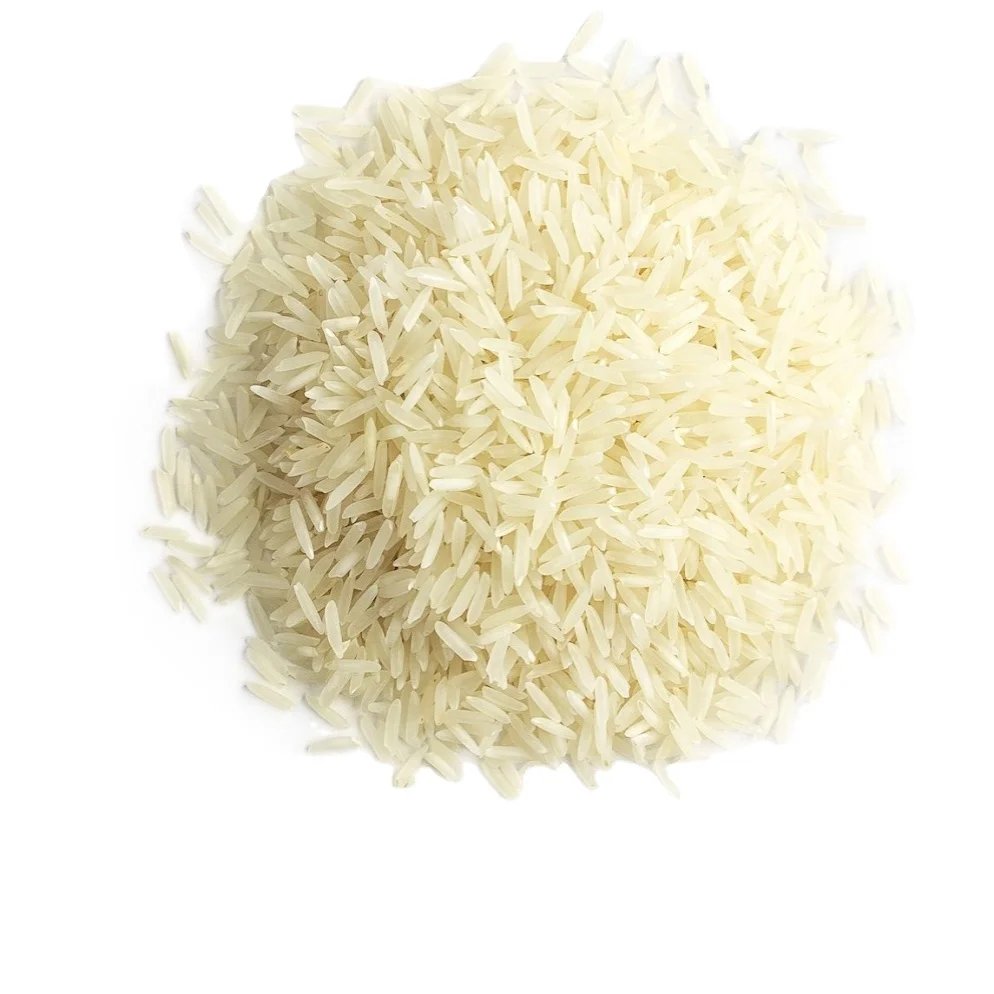
One of the biggest secrets to perfect basmati rice is proper rinsing and soaking. Straight from the packet, basmati is coated with excess starch that causes stickiness. Rinse it under cold running water in a fine-mesh strainer until the water runs clear, usually 3-5 times. This removes impurities and prevents gummy results.
Soaking is non-negotiable for restaurant results. Submerge the rinsed rice in cold water for 20-30 minutes. This step rehydrates the grains evenly, allowing them to expand uniformly during cooking. For extra fragrance, add a pinch of salt to the soak water. Drain thoroughly before cooking—any excess water disrupts ratios. Pro tip: Indian restaurants often soak for up to an hour for superior elongation, so time it if you’re meal-prepping.
Mastering the Water Ratio
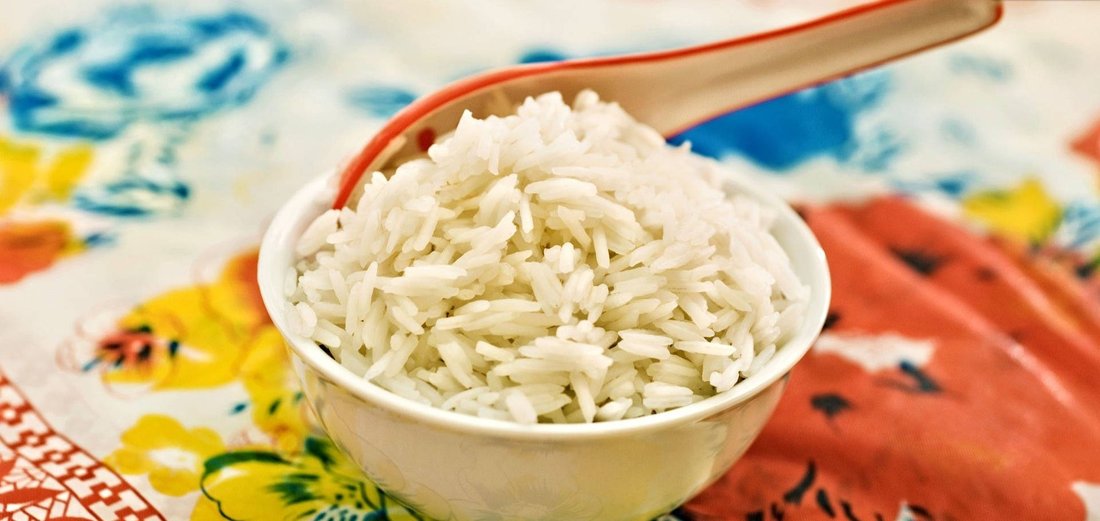
The holy grail of cooking basmati rice is the water-to-rice ratio. For stovetop or absorption methods, use 1.5 to 1.75 cups of water per cup of rice. This slight variation depends on rice age and desired texture—firmer for biryani, softer for pulao. Measure precisely with a kitchen scale for consistency; one cup of dry basmati yields about 3 cups cooked.
Water quality matters too. Use filtered or soft water to avoid mineral buildup that toughens grains. For enhanced flavor, replace a portion with coconut water or stock, but stick to the ratio. This precision is what separates home cooks from pros—too much water makes mush, too little yields undercooked grains.
Stovetop Cooking Method: The Classic Technique
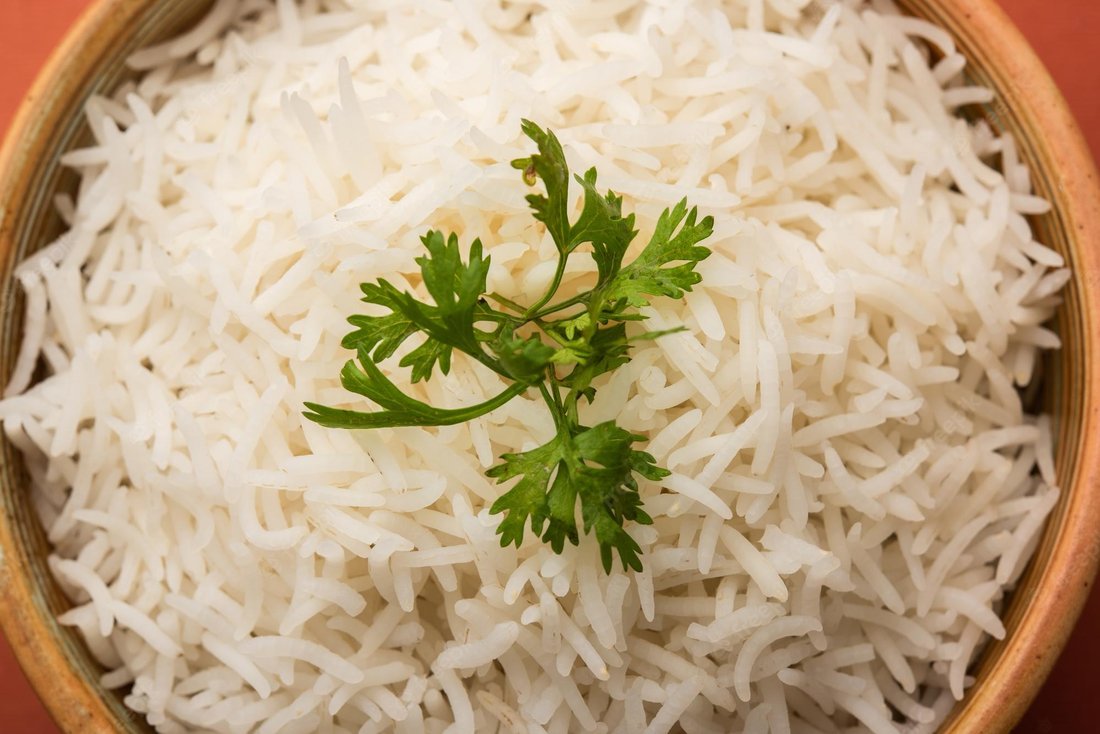
The traditional stovetop method mimics restaurant kitchens perfectly. In a heavy-bottomed pot with a tight lid, heat 1 teaspoon of oil or ghee over medium heat. Add whole spices like cumin seeds, bay leaves, cloves, and cardamom pods for aromatic infusion—these are secret flavor bombs.
Stir in the drained rice for 1-2 minutes to coat in fat, then pour in the measured water. Bring to a rolling boil uncovered, then reduce to low simmer. Cover tightly (use a damp cloth under the lid if needed to trap steam) and cook undisturbed for 12-15 minutes. Turn off heat and let it steam for another 10 minutes. Fluff gently with a fork. This parboil-and-steam technique ensures every grain is light and separate, just like in fine dining.
Rice Cooker and Instant Pot Hacks
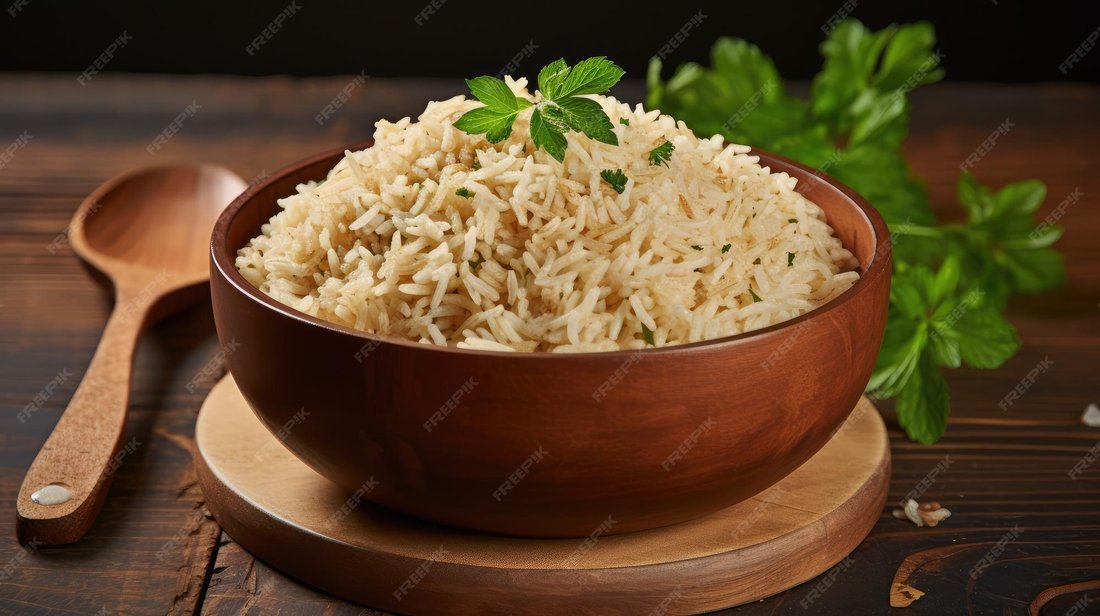
For foolproof results, rice cookers are a home chef’s best friend. Use the same 1.5:1 ratio, add spices during the rinse stage, and select the white rice setting. The “keep warm” function acts as a natural steamer.
Instant Pot enthusiasts, rejoice: Sauté spices on high for 1 minute, add rice and water, seal, and pressure cook on high for 4-6 minutes with natural release. This method locks in moisture for plump, non-sticky rice. Both appliances save time while delivering restaurant texture—ideal for busy weeknights.
Seasoning and Flavor Enhancers
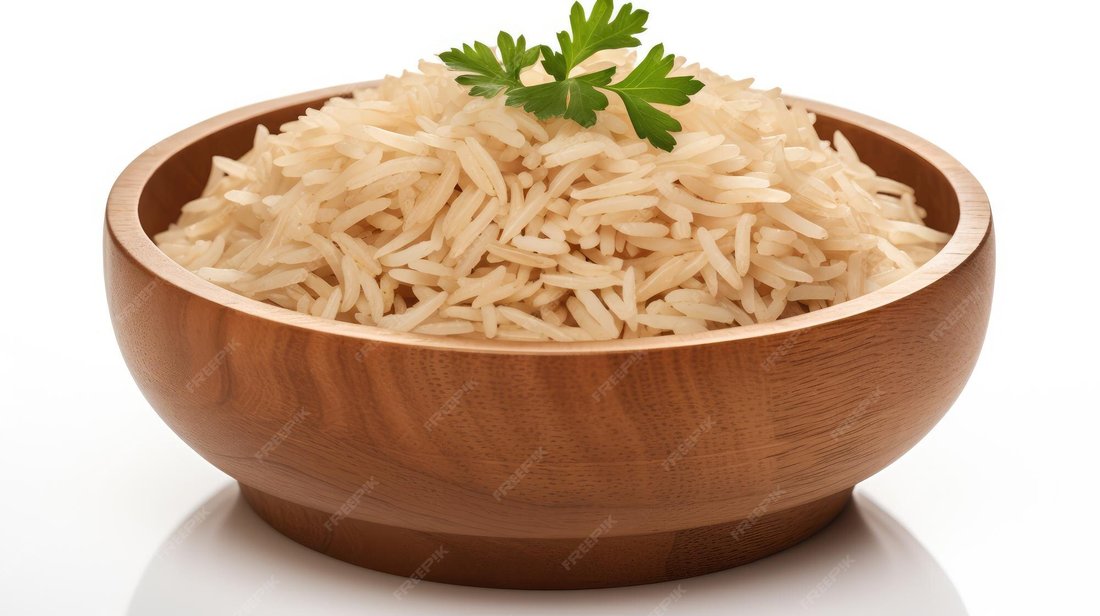
Restaurant rice isn’t bland; it’s subtly seasoned. Beyond whole spices, add a pinch of salt (1/4 tsp per cup rice) and a teaspoon of ghee or butter post-cooking for gloss and richness. For saffron-infused rice, soak a few strands in warm milk and drizzle before steaming—pure luxury.
Experiment with fried onions (birista) or fresh herbs like cilantro for depth. Lemon zest or a splash of vinegar brightens flavors without sogginess. These touches elevate plain rice to side-dish stardom.
Common Mistakes to Avoid
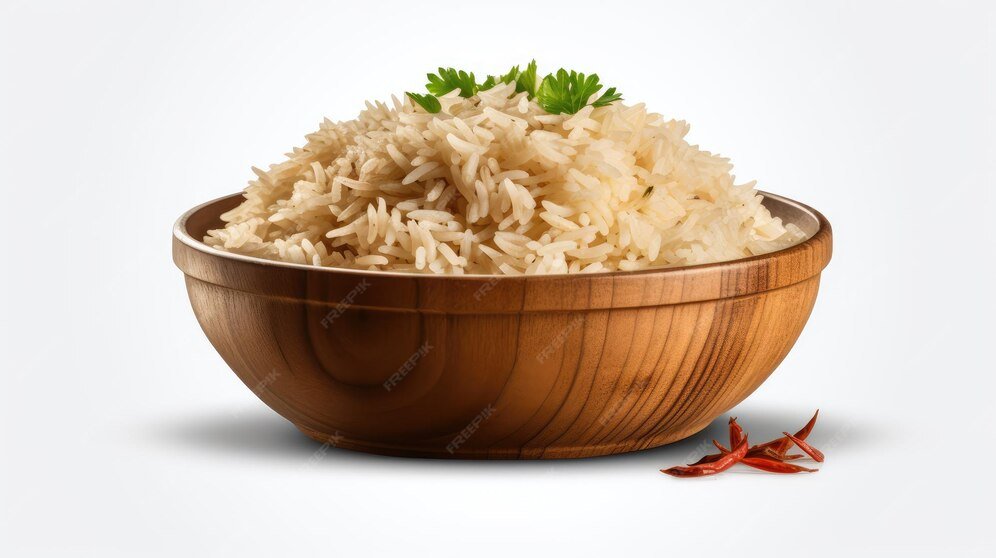
Steer clear of these pitfalls: stirring mid-cook (releases starch, causes clumping), using a loose lid (escapes steam), or rushing the rest period (grains need time to firm up). Don’t skip soaking for quick cooks—it compromises quality. Over-seasoning masks basmati’s natural perfume, so less is more. Finally, avoid high heat throughout; it burns the bottom layer.
Serving Suggestions and Pairings
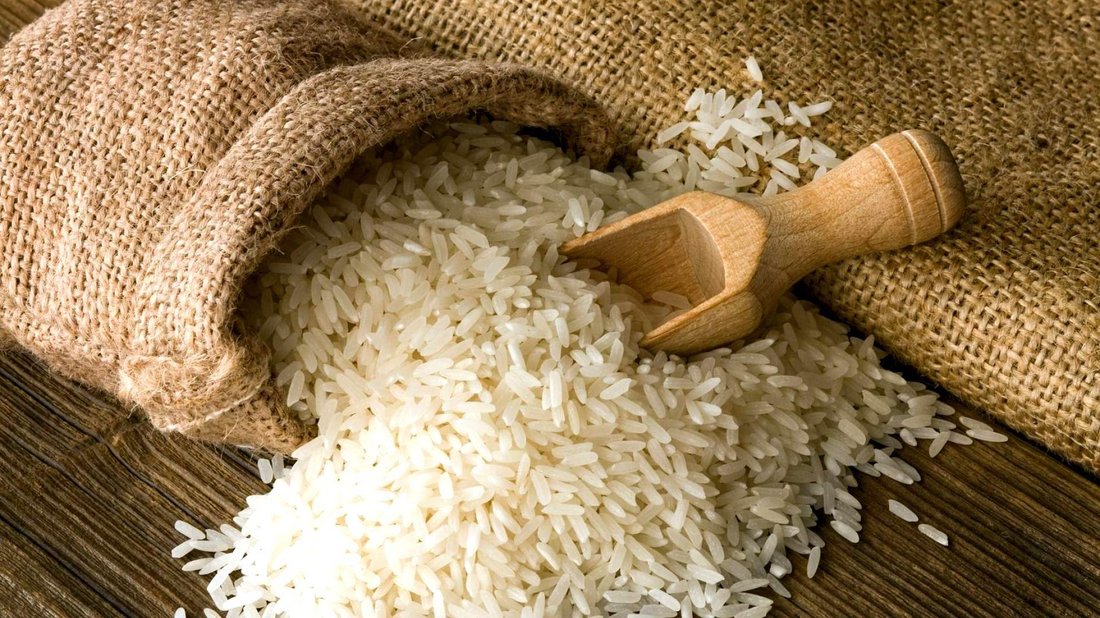
Serve your masterpiece piping hot in a warmed dish to retain fluffiness. Pair with curries, tikkas, or dal for authentic meals. For biryani, layer half-cooked rice with marinated meat and saffron milk, then dum-cook (slow steam). Leftovers? Transform into fried rice or rice pudding (kheer).
Pro storage tip: Cool completely before refrigerating in an airtight container—reheats beautifully with a splash of water in the microwave.
In conclusion, unlocking restaurant-quality basmati rice at home boils down to premium selection, meticulous prep, precise ratios, and patient cooking. Practice these secrets, and you’ll never order takeout rice again. Your family and guests will rave about your culinary prowess. Happy cooking!
(Word count: 1215)