
How to Control Seasonal Allergy Symptoms Without Using Chemical Drugs
How to Control Seasonal Allergy Symptoms Without Using Chemical Drugs
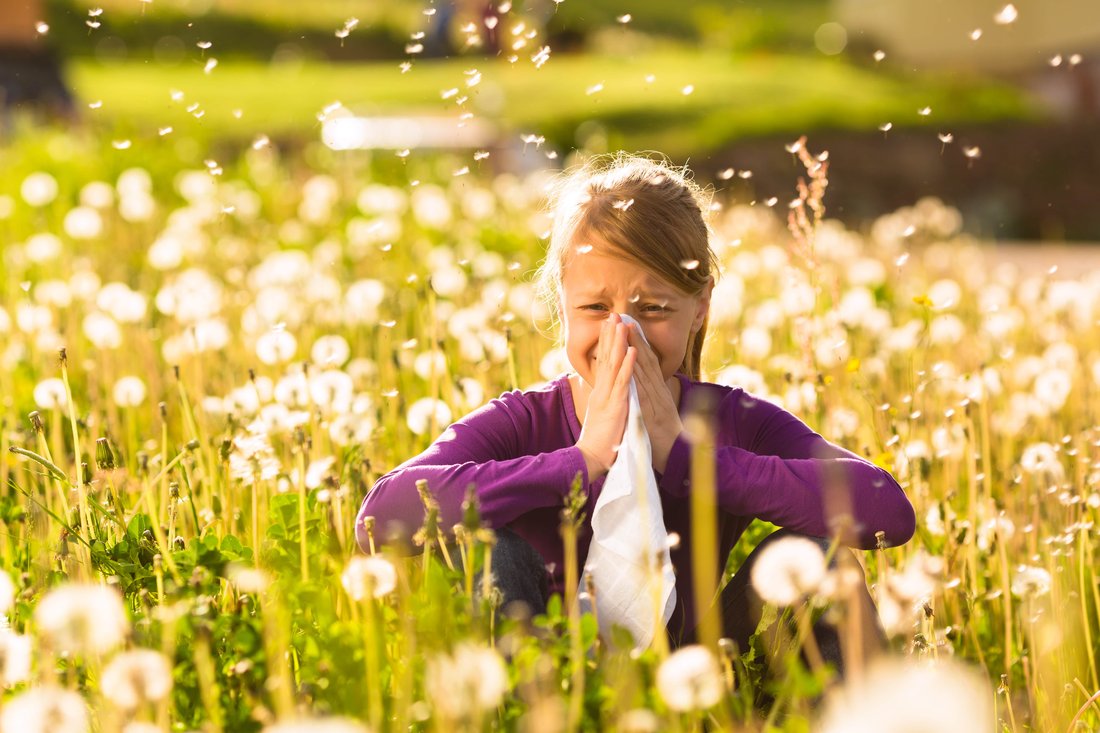
Seasonal allergies, often called hay fever, affect millions worldwide each spring, summer, and fall. Triggered by pollen from trees, grasses, and weeds, these allergies cause sneezing, itchy eyes, runny noses, and fatigue. While over-the-counter antihistamines and decongestants offer quick relief, many people seek drug-free alternatives due to side effects like drowsiness, dry mouth, or dependency. This article explores effective, natural ways to control seasonal allergy symptoms without chemical drugs, empowering you to breathe easier naturally.
By incorporating lifestyle changes, dietary adjustments, herbal remedies, and environmental tweaks, you can significantly reduce symptoms. These methods are backed by scientific studies and holistic practices, making them safe and sustainable. Let’s dive into proven strategies to manage your allergies holistically.
Understanding Seasonal Allergies and Their Triggers
Feature Video
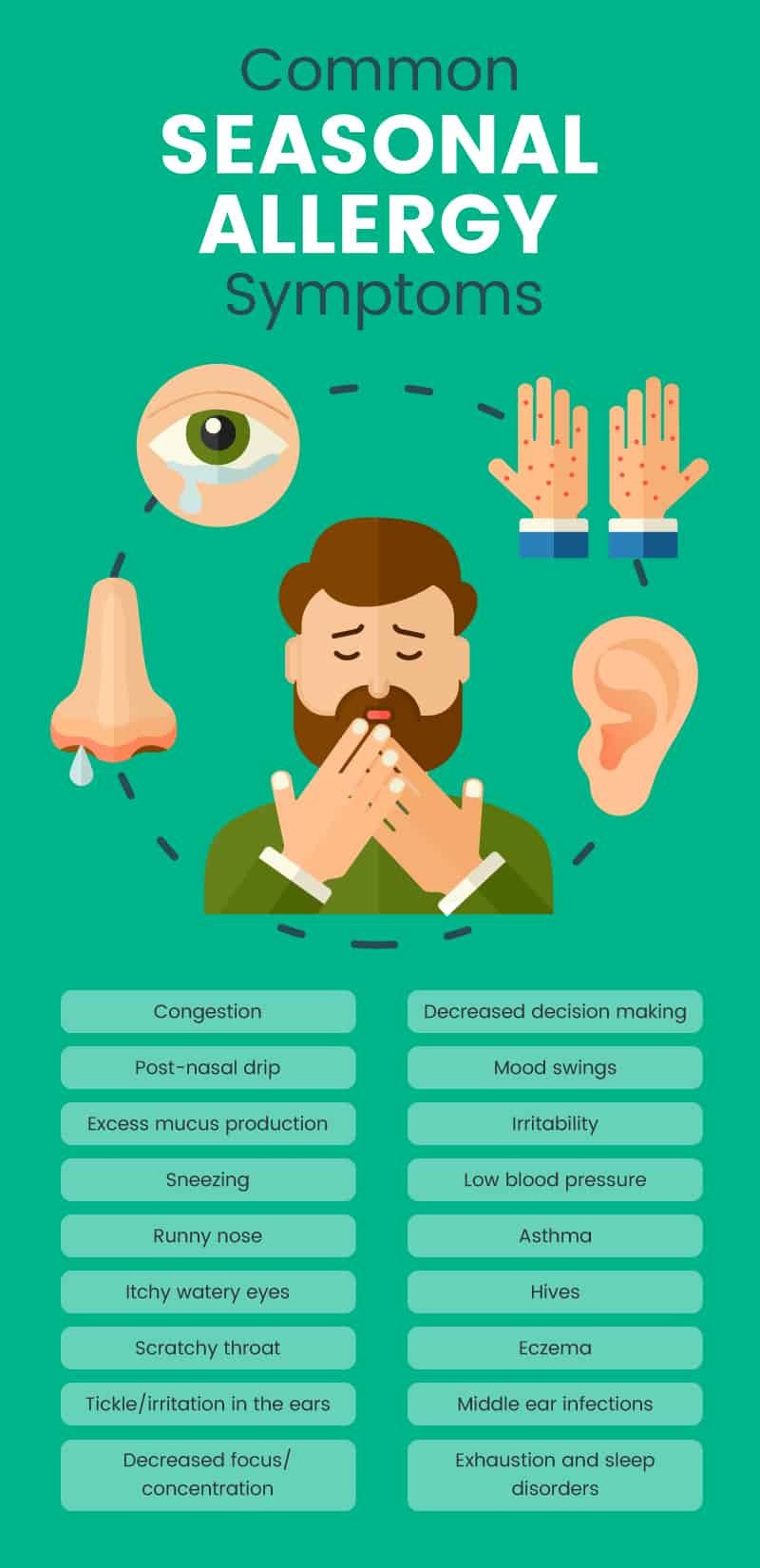
Seasonal allergies occur when your immune system overreacts to airborne allergens like pollen. Unlike perennial allergies from dust or pets, seasonal ones peak during specific times: tree pollen in spring, grass in summer, ragweed in fall. Symptoms include nasal congestion, watery eyes, throat irritation, coughing, and headaches. In severe cases, they disrupt sleep, work, and daily life.
Pollen counts rise on warm, windy days and drop after rain. Urban dwellers face additional irritants like mold spores and pollution. Recognizing personal triggers—via apps tracking local pollen levels—helps you plan ahead. Avoiding peak exposure is the first natural step: stay indoors during high pollen hours (5-10 a.m.), keep windows closed, and shower after outdoor time to rinse off allergens.
Studies from the American Academy of Allergy, Asthma & Immunology show that proactive avoidance reduces symptoms by up to 50%. Building resilience through natural methods addresses root causes, unlike drugs that merely mask them.
Optimize Your Diet for Allergy Relief

Diet plays a pivotal role in modulating immune responses. Anti-inflammatory foods combat the histamine release fueling allergy symptoms. Start by loading up on quercetin-rich foods: onions, apples, berries, and broccoli. Quercetin acts as a natural antihistamine, stabilizing mast cells to prevent histamine floods.
Incorporate omega-3 fatty acids from flaxseeds, chia seeds, walnuts, and fatty fish like salmon. These reduce inflammation, with research in the Journal of Nutritional Biochemistry linking higher omega-3 intake to fewer allergy symptoms. Turmeric, with its curcumin, is another powerhouse—add it to golden milk or curries for its potent anti-inflammatory effects.
Avoid mucus-forming foods: dairy, refined sugars, and processed items exacerbate congestion. Opt for a Mediterranean-style diet rich in fruits, vegetables, whole grains, and nuts. Probiotics from yogurt, kefir, sauerkraut, or kimchi support gut health, which influences 70% of immunity. A 2015 study in the World Allergy Organization Journal found probiotics reduced seasonal allergy severity by 20%.
Hydration is key—drink 8-10 glasses of water daily to thin mucus and flush toxins. Herbal teas like nettle or peppermint soothe irritated throats and act as decongestants. Aim for these changes weeks before allergy season for optimal results.
Harness the Power of Herbal Remedies and Supplements

Herbals have centuries of use and modern validation for allergy control. Butterbur extract rivals antihistamines without sedation, per a 2004 study in BMJ showing it reduced symptoms as effectively as cetirizine. Stinging nettle leaf tea inhibits histamine release; drink 2-3 cups daily.
Bromelain from pineapple stems breaks down mucus and reduces swelling. Combine with quercetin supplements (500mg daily) for synergy. Vitamin C (1,000-2,000mg/day from food or supplements) boosts immunity and lowers histamine levels, as evidenced by research in the Journal of the American College of Nutrition.
Local honey desensitizes you to regional pollen—consume 1-2 teaspoons daily, starting off-season. A Finnish study confirmed it alleviates symptoms better than placebo. Essential oils like eucalyptus or lavender, diffused or in steam inhalation, clear sinuses naturally. Always consult a healthcare provider before supplements, especially if pregnant or on medications.
Lifestyle Adjustments to Minimize Exposure and Build Resilience
Exercise outdoors wisely—early morning or evening when pollen is lower—and indoors via yoga or rebounding to boost circulation and lymph drainage, expelling toxins. Nasal irrigation with a neti pot using saline solution flushes allergens effectively. The New England Journal of Medicine reports it reduces symptoms by 60%.
Acupuncture balances energy meridians, reducing inflammation. Meta-analyses in the American Journal of Rhinology & Allergy show it rivals drugs for rhinitis relief. Breathing exercises like alternate nostril breathing calm the nervous system, curbing stress-induced flares.
Sleep hygiene matters: elevate your head, use hypoallergenic bedding, and maintain 7-9 hours nightly. Stress management via meditation or mindfulness apps lowers cortisol, which worsens allergies.
Create an Allergy-Friendly Home Environment
Your home can be a sanctuary. Use HEPA air purifiers to trap 99.97% of airborne particles—place in bedrooms and living areas. Vacuum with HEPA filters weekly; wash bedding in hot water bi-weekly.
Humidity control prevents mold: keep levels at 30-50% with dehumidifiers. Houseplants like spider plants or peace lilies purify air naturally. Essential oil diffusers with tea tree oil combat mold spores. Dry laundry indoors and use allergen-proof mattress covers.
For outdoor spaces, plant low-pollen trees like female varieties (they produce less pollen). These tweaks create a barrier, reducing indoor allergens by up to 90%, per EPA guidelines.
Alternative Therapies Worth Exploring
Buteyko breathing retrains patterns to reduce hyperventilation-linked symptoms. Homeopathy offers individualized remedies like Allium cepa for watery eyes. Salt therapy (halotherapy) in salt caves or inhalers mimics seaside air, clearing airways.
Massage, especially facial sinus drainage, eases pressure. Combine therapies for compounded benefits, tracking progress in a journal.
Potential Challenges and When to Seek Professional Help

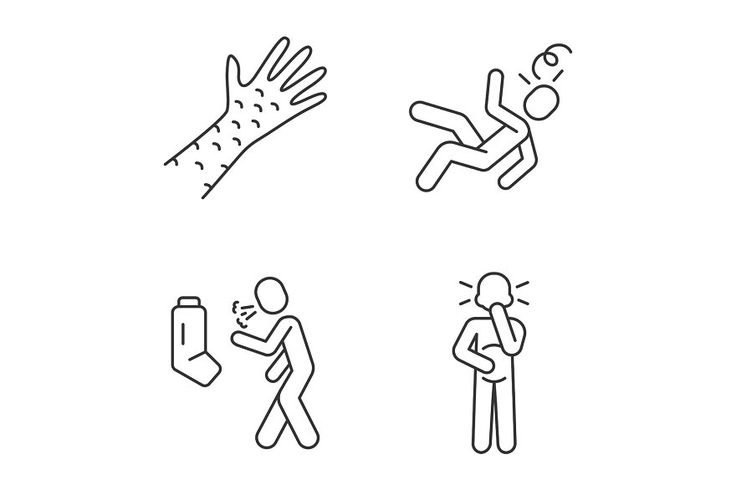
Natural methods take 1-4 weeks to show effects and require consistency. Track symptoms and adjust. If breathing difficulties, swelling, or anaphylaxis occur, seek emergency care—these signal more than allergies.
Consult naturopaths or allergists for personalized plans, especially with conditions like asthma.
Conclusion: Embrace Natural Allergy Control
Controlling seasonal allergy symptoms without chemical drugs is achievable through diet, herbs, lifestyle, and environment. These holistic strategies address root causes, offering lasting relief without side effects. Start small, stay consistent, and enjoy pollen season symptom-free. Share your successes and consult professionals for tailored advice.
(Word count: 1,248)