
Scientific Ways to Improve Sleep Quality and Wake Up with Renewed Energy
In today’s fast-paced world, achieving high-quality sleep is more crucial than ever for maintaining optimal health, productivity, and vitality. Poor sleep doesn’t just leave you groggy; it disrupts cognitive function, weakens immunity, and increases risks for chronic conditions like diabetes and heart disease. According to the National Sleep Foundation, adults need 7-9 hours of sleep per night, yet millions fall short. The good news? Science-backed strategies can transform your sleep quality, helping you wake up refreshed and energized. This article explores evidence-based methods to improve sleep hygiene, regulate your circadian rhythm, and kickstart your mornings with renewed vigor.
Understand Your Circadian Rhythm: The Body’s Internal Clock
Feature Video
Your circadian rhythm, governed by the suprachiasmatic nucleus in the brain, orchestrates sleep-wake cycles based on light and darkness. Disruptions from irregular schedules or blue light exposure throw it off, leading to insomnia or daytime fatigue. A study in Current Biology (2019) showed that consistent sleep timing aligns melatonin production, the hormone that signals sleepiness.
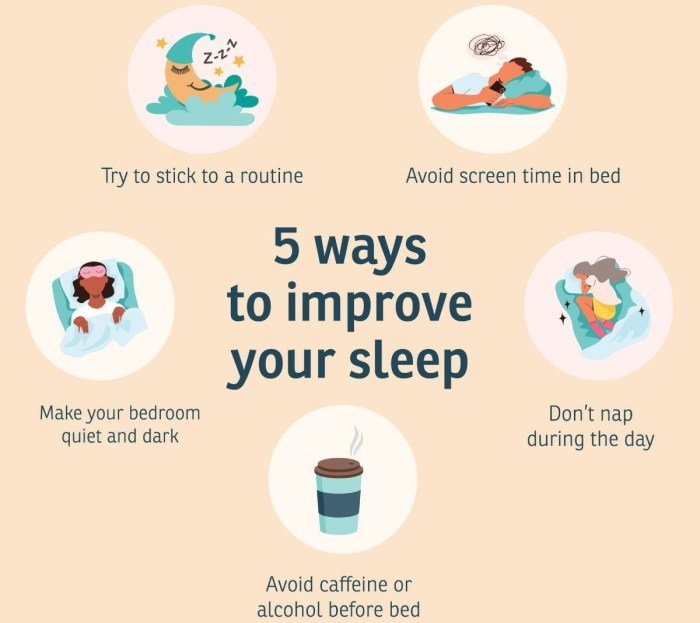
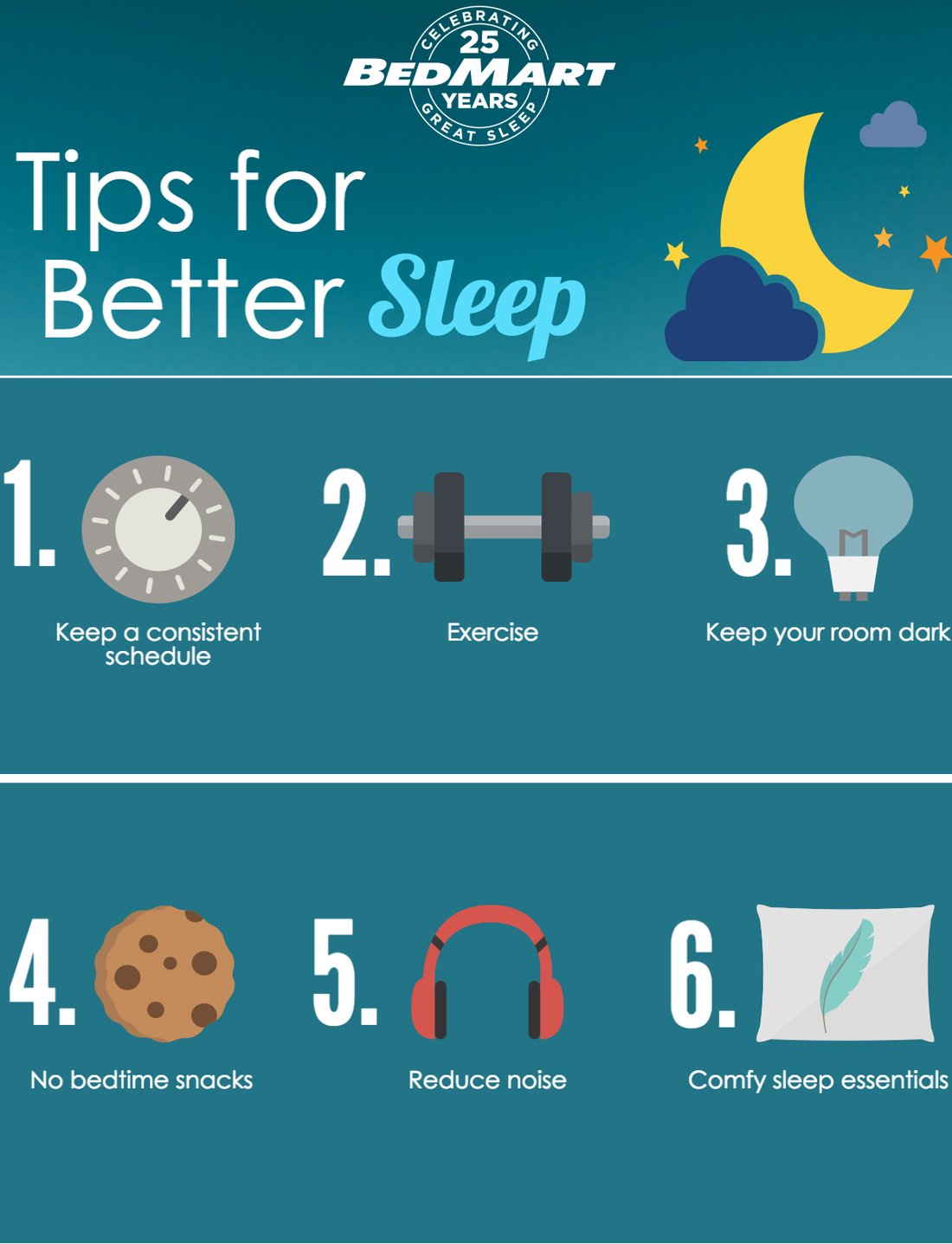
To optimize this, maintain a fixed bedtime and wake-up time, even on weekends. Aim for 10-11 PM bedtimes to sync with natural melatonin peaks. Use dim red lights in the evening—research from the Journal of Applied Physiology indicates red light minimally suppresses melatonin compared to blue light from screens. Apps like f.lux or Night Shift on devices can automate this. Consistency reinforces your rhythm, reducing sleep latency (time to fall asleep) by up to 50%, per Harvard Medical School findings.
Master Sleep Hygiene: Create an Ideal Bedroom Environment

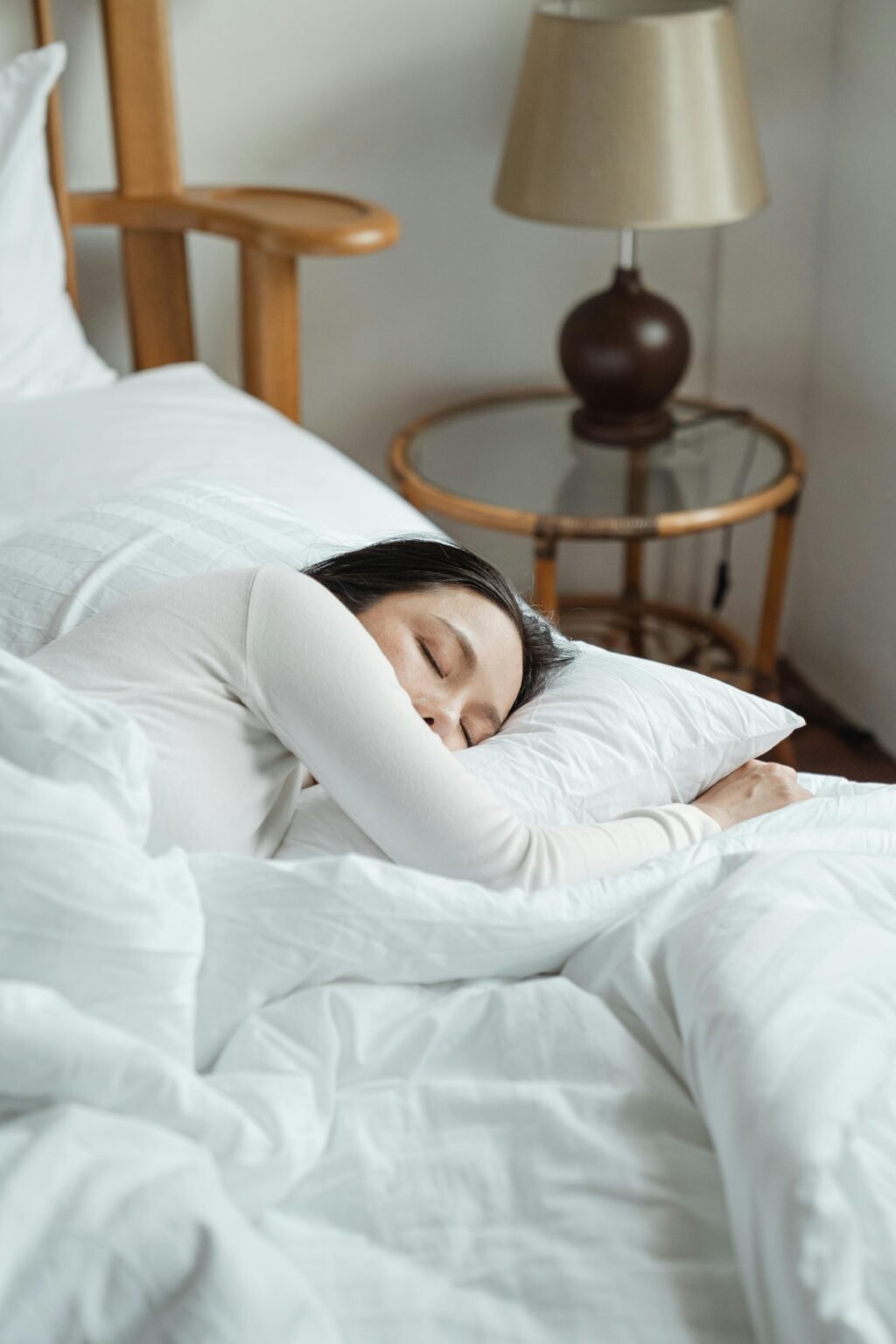
Sleep hygiene refers to habits and environmental factors promoting restful sleep. The American Academy of Sleep Medicine emphasizes a cool, dark, quiet bedroom. Core body temperature drops 1-2°F during sleep onset; thus, keep your room at 60-67°F (15-19°C), as per a meta-analysis in Sleep Medicine Reviews (2012). Use breathable cotton sheets and avoid heavy comforters.
Blackout curtains block light pollution, which a University of Colorado study linked to fragmented sleep. White noise machines or fans mask disruptive sounds—evidence from Journal of Theoretical Biology shows steady noise promotes deeper slow-wave sleep stages, essential for restoration. Reserve your bed for sleep and intimacy only; this Pavlovian conditioning strengthens sleep associations, improving efficiency by 20-30% according to behavioral sleep experts.
Invest in a supportive mattress and pillows. A 2020 review in Lancet found medium-firm mattresses reduce back pain and enhance sleep quality. Elevate your head slightly if you suffer from acid reflux, a common sleep disruptor.
Leverage Light Exposure for Better Sleep and Energy

Light is the circadian rhythm’s primary zeitgeber (time-giver). Morning sunlight exposure suppresses melatonin and boosts cortisol for alertness. A study in Journal of Clinical Sleep Medicine (2017) revealed that 30 minutes of natural light upon waking advances sleep phase, improving quality.
Avoid blue light 2-3 hours before bed. Blue wavelengths from LEDs inhibit melatonin by 23%, per University of Pennsylvania research. Wear blue-light-blocking glasses or use screen filters. Conversely, evening dim lighting promotes drowsiness. For shift workers, chronotherapy—timed light exposure—can realign rhythms, as demonstrated in NASA studies on astronauts.
Incorporate Exercise at the Right Time
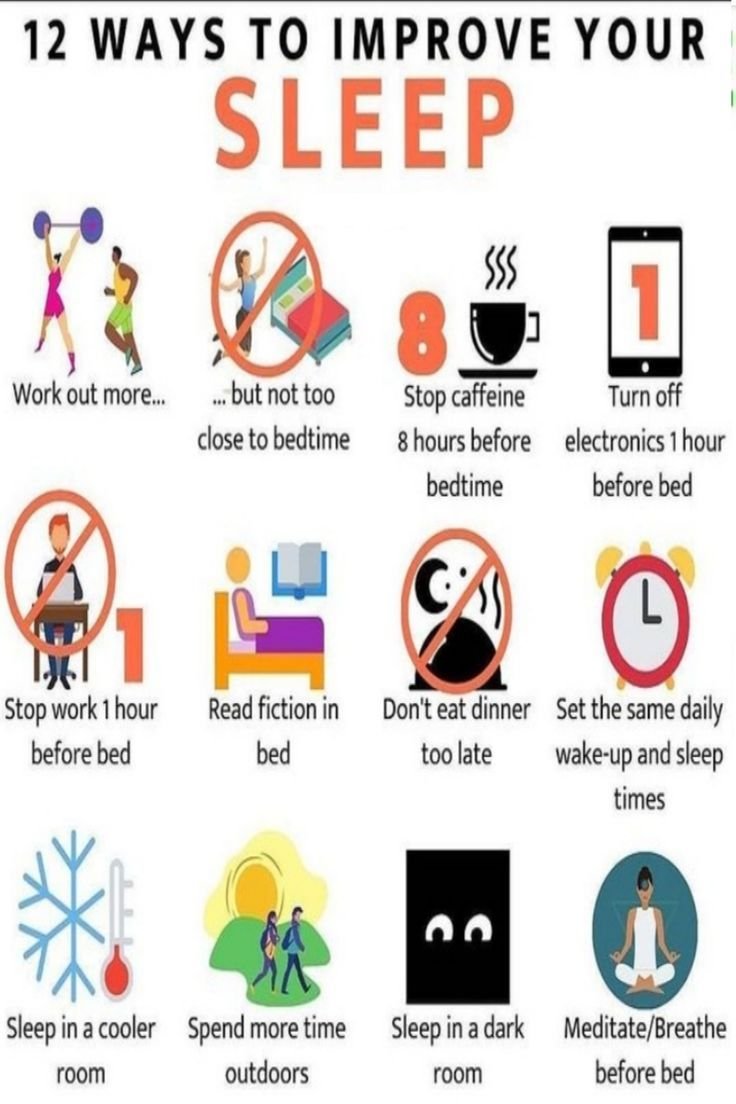
Physical activity enhances sleep depth but timing matters. A meta-analysis in Sports Medicine (2017) confirmed 30-60 minutes of moderate aerobic exercise improves sleep quality, increasing slow-wave sleep by 20%. However, vigorous workouts within 3 hours of bed elevate core temperature and adrenaline, delaying sleep onset.
Opt for morning or afternoon sessions: brisk walking, yoga, or strength training. Yoga’s parasympathetic activation reduces insomnia symptoms by 35%, according to Journal of Clinical Psychiatry. Even 10-minute high-intensity interval training (HIIT) boosts endorphins and deep sleep without evening interference.
Optimize Diet and Nutrition for Sleep
What you eat influences sleep architecture. Tryptophan-rich foods like turkey, bananas, and nuts convert to serotonin and melatonin. A American Journal of Clinical Nutrition study found tart cherry juice raises melatonin levels, extending sleep by 84 minutes.
Avoid caffeine after noon—its half-life is 5-6 hours, per pharmacology data. Heavy meals or alcohol close to bedtime fragment sleep; alcohol suppresses REM, leading to rebound wakefulness. Instead, try a light snack: kiwi fruit, shown in Asia Pacific Journal of Clinical Nutrition to improve sleep onset by 42% due to serotonin precursors.
Magnesium (nuts, spinach) relaxes muscles; a deficiency correlates with insomnia. Glycine in bone broth or supplements shortens sleep latency, as per Frontiers in Neurology. Hydrate during the day but taper evenings to minimize nocturia.
Explore Supplements and Natural Aids
When lifestyle tweaks aren’t enough, science supports targeted supplements. Melatonin (0.5-5mg) 30-60 minutes before bed reduces sleep latency by 7 minutes and improves efficiency, meta-analyzed in PLoS One (2013). It’s safe short-term for jet lag or shift work.
Valerian root and lavender essential oil show modest benefits; a Cochrane review notes valerian aids mild insomnia. CBD may reduce anxiety-related wakefulness, per preliminary Permanente Journal studies. Always consult a doctor, especially with medications.
Morning Routines to Wake Up Energized
Great sleep sets the stage, but morning habits amplify energy. Hydrate first—dehydration from overnight fasting impairs cognition. Lemon water stimulates digestion and vitamin C boosts alertness.
Get 10-15 minutes of sunlight or use a 10,000-lux light therapy box; this combats seasonal affective disorder and sustains circadian alignment, per Chronobiology International. A protein-rich breakfast (eggs, Greek yogurt) stabilizes blood sugar, preventing crashes—studies in Nutrients link it to sustained energy.
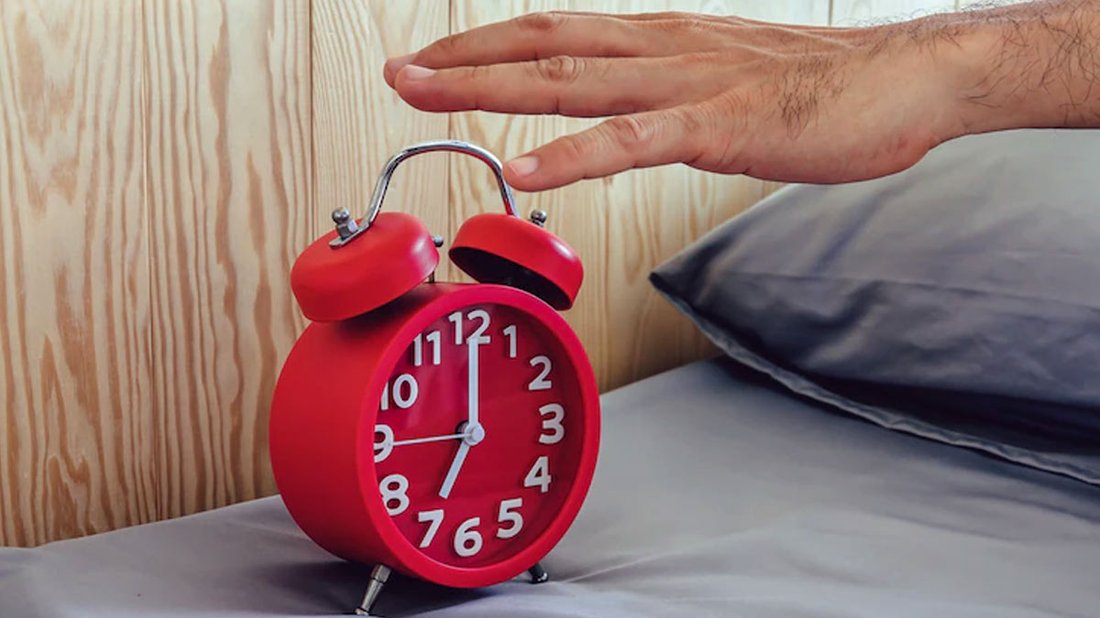
Cold showers increase dopamine by 250%, enhancing mood and focus, as found in Medical Hypotheses. Follow with mindfulness or stretching: 5 minutes of meditation reduces cortisol, per JAMA Internal Medicine. Avoid snoozing; it confuses the brain’s sleep pressure.
Track and Troubleshoot with Technology
Wearables like Fitbit or Oura Ring monitor sleep stages via heart rate variability (HRV) and movement. Validated against polysomnography, they provide actionable insights. Apps like Sleep Cycle use phone mics for gentle wake-ups during light sleep, improving post-sleep grogginess (sleep inertia).
If issues persist, consider cognitive behavioral therapy for insomnia (CBT-I), gold-standard per AASM, outperforming drugs long-term.
Conclusion: Transform Your Sleep Tonight
Implementing these scientific strategies—consistent schedules, optimal environments, strategic light and exercise, smart nutrition, and revitalizing mornings—can elevate sleep quality dramatically. Studies consistently show compounded benefits: better mood, sharper focus, and robust health. Start with 2-3 changes, track progress, and build from there. Wake up not just rested, but renewed. Your body and mind will thank you.
(Word count: 1,248)