
Best Plant-Based Protein Sources for Athletes Who Don’t Eat Meat
Best Plant-Based Protein Sources for Athletes Who Don’t Eat Meat
Athletes who follow a plant-based diet, whether vegan, vegetarian, or simply meat-free, often worry about getting enough high-quality protein to fuel their performance, recovery, and muscle growth. The good news? There are plenty of excellent plant-based protein sources that pack a powerful punch, rivaling animal-based options in bioavailability and amino acid profiles. In this comprehensive guide, we’ll explore the best plant-based protein sources for athletes, backed by science, nutritional data, and practical tips to optimize your intake. Whether you’re a marathon runner, weightlifter, or CrossFit enthusiast, these foods will help you thrive without meat.
Why Plant-Based Protein Matters for Athletes
Feature Video
Protein is essential for repairing muscle tissue after intense workouts, building lean mass, and maintaining overall athletic performance. Athletes typically need 1.2–2.0 grams of protein per kilogram of body weight daily, depending on training intensity. Plant-based proteins were once dismissed as “incomplete” due to lacking one or more essential amino acids, but modern research shows that combining sources throughout the day easily fills these gaps.
Benefits of plant-based proteins include anti-inflammatory properties from antioxidants, fiber for gut health (crucial for nutrient absorption), and sustainability. Studies from the Journal of the International Society of Sports Nutrition confirm that vegan athletes can achieve similar gains in strength and endurance as omnivores when protein needs are met strategically.
Top Plant-Based Protein Sources Ranked for Athletes
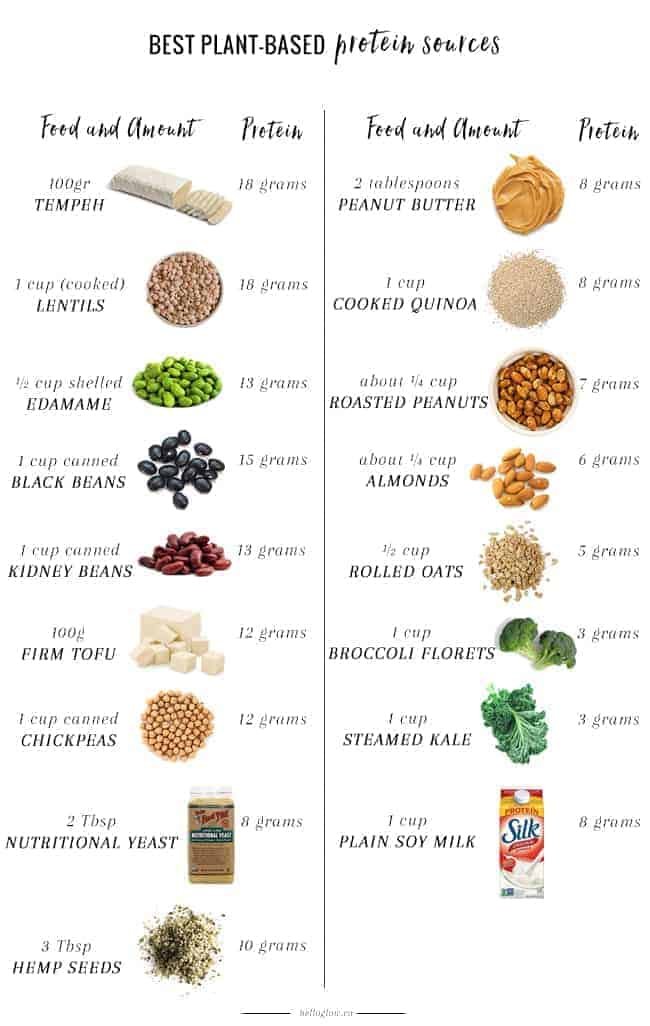
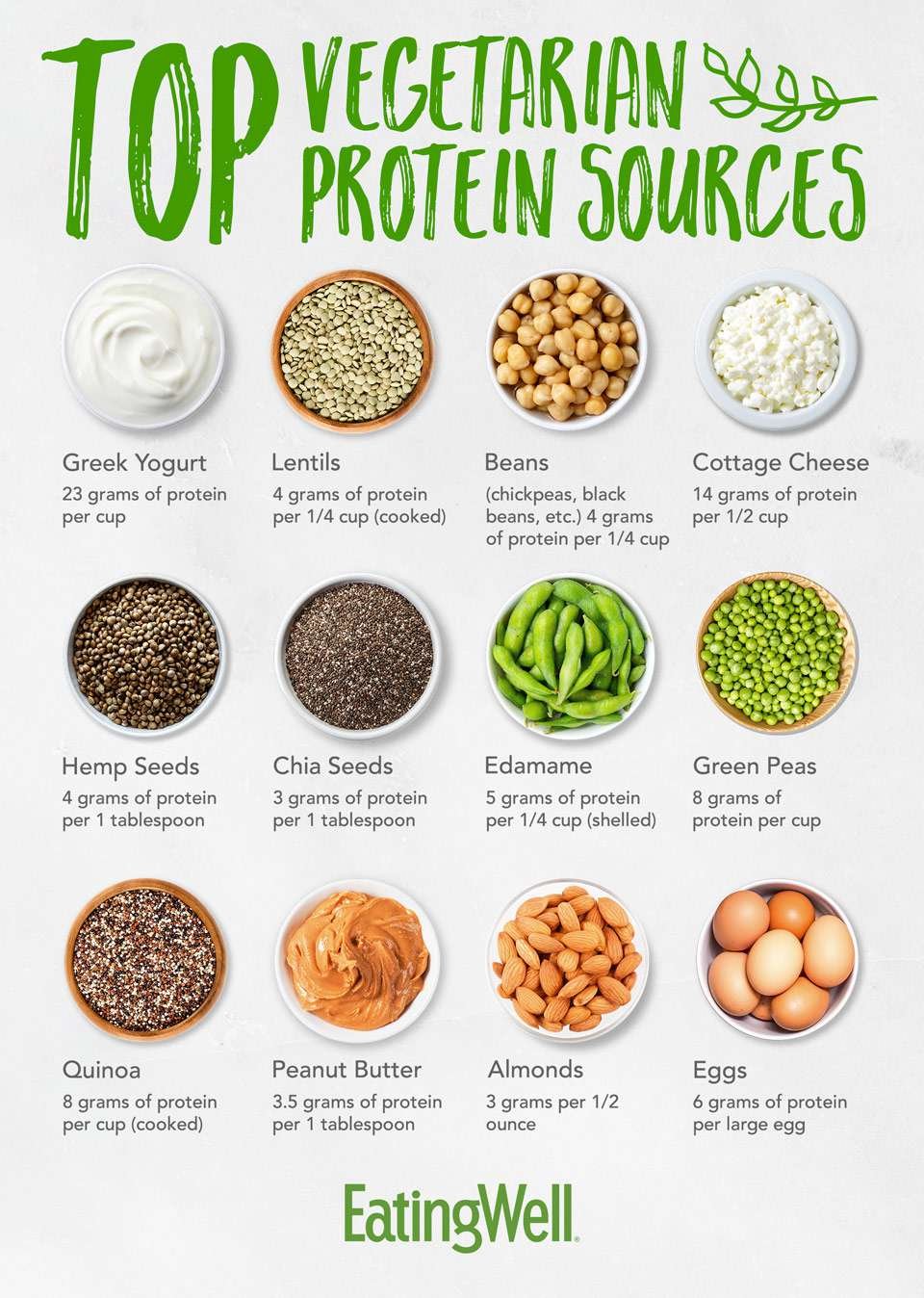
We’ve ranked these based on protein density (grams per 100 calories or serving), digestibility, and versatility for athletes. Focus on whole foods first, supplemented by powders if needed.
1. Seitan: The Meat Mimic with Sky-High Protein

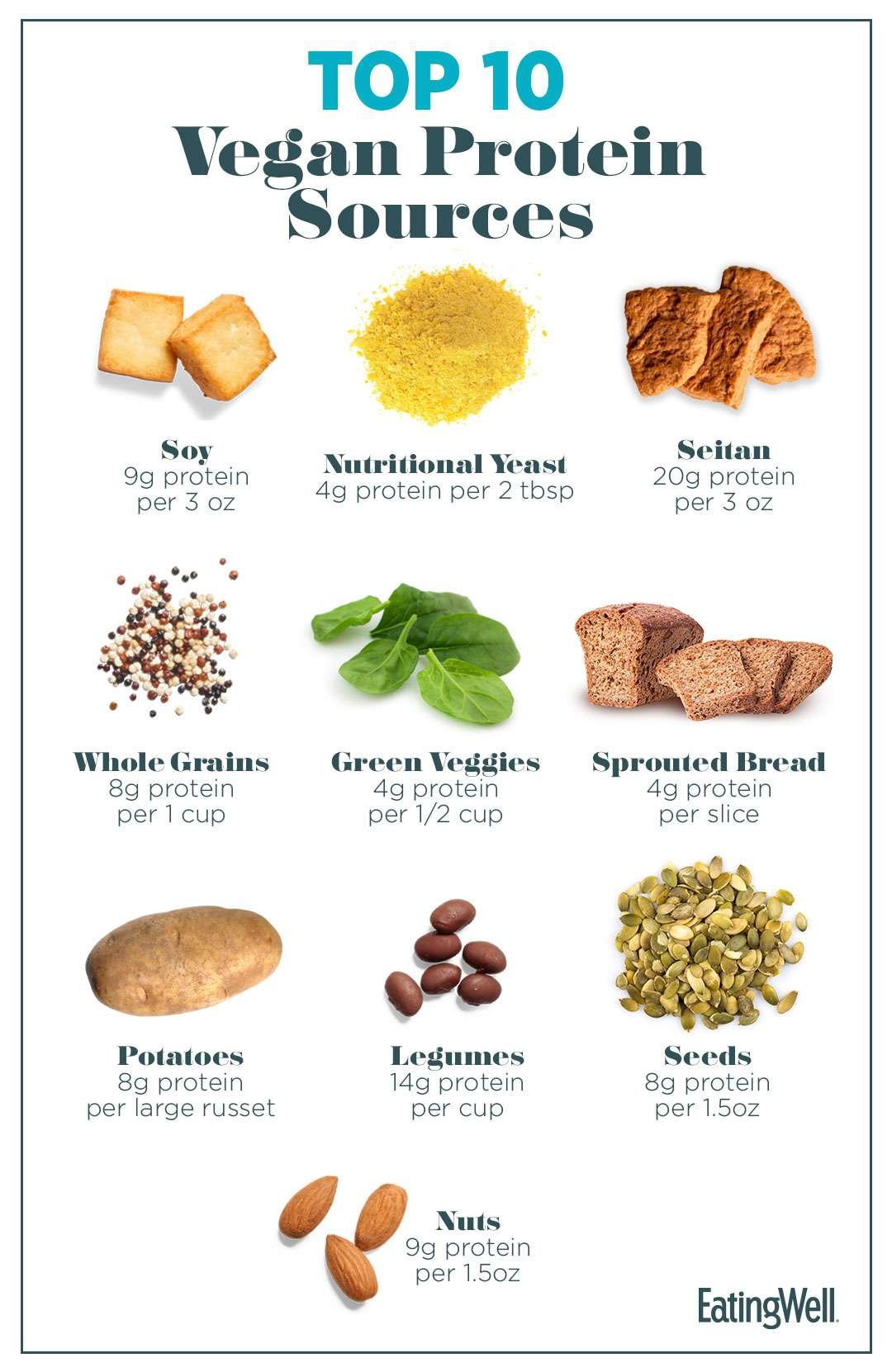
Seitan, made from vital wheat gluten, boasts about 25 grams of protein per 100 grams—more than chicken breast. It’s a complete protein, rich in lysine, and low in fat, making it ideal for bulking phases. Athletes love it stir-fried, grilled, or in stews. A 3-ounce serving delivers 21 grams of protein with minimal carbs. Pair with veggies for balanced macros. Drawback: Not gluten-free, so avoid if sensitive.
2. Lentils: Budget-Friendly Powerhouse
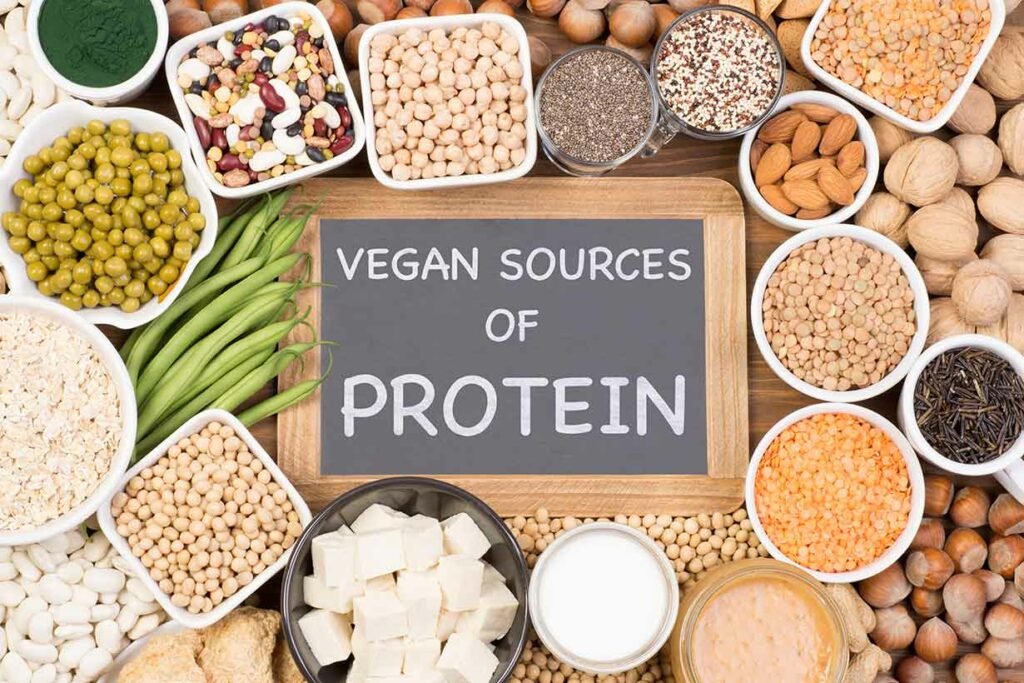
Lentils top the list for affordability and nutrition. One cup cooked provides 18 grams of protein, 16 grams of fiber, and iron for oxygen transport—key for endurance athletes. Red lentils cook quickly for post-workout dal or salads; green ones hold shape in burgers. They’re low glycemic, sustaining energy without crashes. Combine with rice for a complete amino profile, as recommended by sports dietitians.
3. Tofu and Tempeh: Soy’s Dynamic Duo
Soy products shine for athletes. Firm tofu offers 10 grams per 100 grams, while tempeh (fermented soy) ups it to 19 grams with probiotics for recovery. Both are complete proteins, high in leucine for muscle synthesis. Tofu absorbs marinades perfectly for teriyaki bowls; tempeh grills like steak. A meta-analysis in Nutrients journal found soy protein as effective as whey for gains. Opt for organic, non-GMO varieties.
4. Edamame and Peas: Quick and Complete
Edamame (young soybeans) packs 11 grams per 100 grams shelled, plus folate and vitamin K for bone health. Steam as a snack or blend into smoothies. Split peas, at 25 grams per cup cooked, make hearty soups rivaling chili. Pea protein isolate (from yellow peas) is a top vegan powder, scoring high on PDCAAS digestibility (0.89). Perfect for shakes delivering 20–25 grams per scoop.
5. Quinoa: The Ancient Grain Superstar
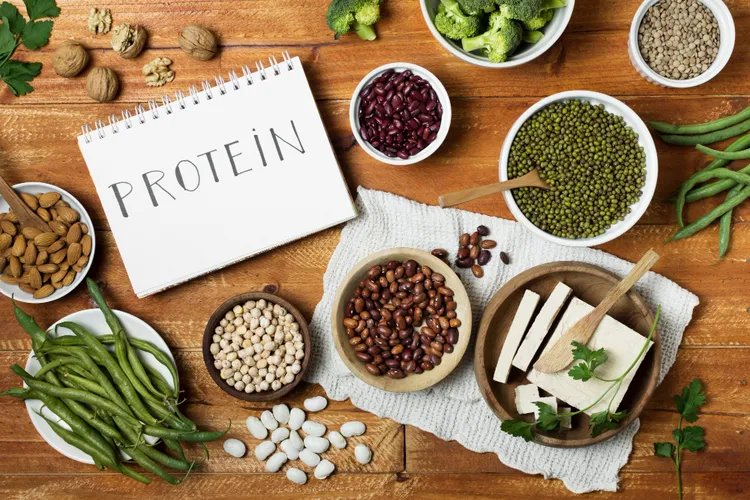
Quinoa is a rare complete plant protein with 14 grams per cooked cup, plus magnesium for cramps prevention and carbs for glycogen replenishment. Rinse to remove saponins, then use in salads, porridge, or as rice substitute. Athletes in ultra-endurance events swear by it for sustained energy. It’s gluten-free and versatile for meal prep.
6. Chickpeas and Beans: Versatile Legume Legends
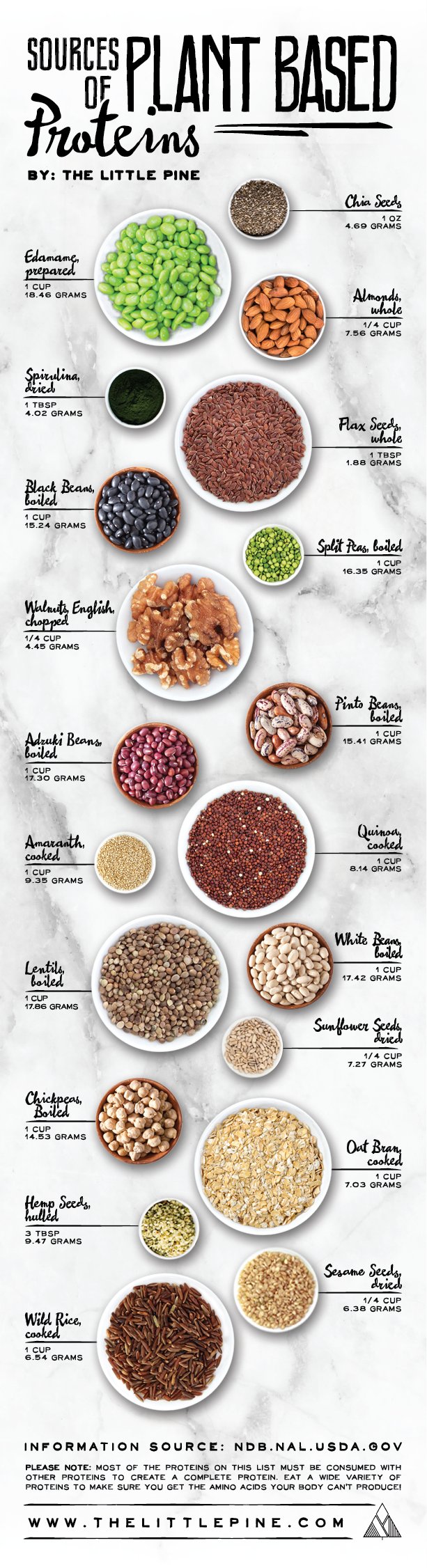
Chickpeas (garbanzo beans) deliver 19 grams per cup cooked, shining in hummus, curries, or roasted snacks. Black beans and kidney beans offer 15 grams per cup with antioxidants fighting exercise-induced oxidative stress. Canned versions are convenient; rinse to cut sodium. Form into falafel patties for portable fuel. Their resistant starch supports gut microbiome, enhancing protein utilization.
7. Hemp Seeds and Chia Seeds: Omega-Rich Boosters

Hemp seeds provide 10 grams per 3 tablespoons, with all essential amino acids, omega-3s for joint health, and magnesium. Sprinkle on yogurt or blend into energy balls. Chia seeds offer 5 grams per ounce but gel up for puddings, aiding hydration. Both combat inflammation, vital for high-volume training.
8. Nuts and Nut Butters: Portable Power
Peanuts lead with 7 grams per ounce (peanut butter: 8 grams per 2 tablespoons), followed by almonds (6 grams). They’re calorie-dense for weight gain phases but provide healthy fats for hormone production. Almond butter on toast post-workout curbs hunger. Watch portions to avoid excess calories.
9. Nutritional Yeast and Spirulina: Umami and Superfood Add-Ins
Nutritional yeast adds 8 grams per 2 tablespoons with B12 (often fortified), mimicking cheese flavor on popcorn or pasta. Spirulina, a blue-green algae, packs 4 grams per tablespoon plus iron. Stir into smoothies for an nutrient boost without bulk.
Plant-Based Protein Powders: Athlete’s Shortcut
For convenience, blends of pea, rice, and pumpkin seed proteins match whey’s profile. Brands like Orgain or Vega offer 20–30 grams per serving, low-carb options for keto vegans. Mix with plant milk, banana, and spinach for 40-gram recovery shakes. Research in the Journal of the International Society of Sports Nutrition validates their efficacy for muscle hypertrophy.
How to Maximize Plant-Based Protein Absorption
Combine grains with legumes (e.g., beans and rice) for complementary aminos. Include vitamin C-rich foods (bell peppers, citrus) to boost iron from plants. Time intake: 20–40 grams every 3–4 hours, especially post-training within 30 minutes. Track via apps like Cronometer to hit targets. Hydrate well, as plants’ fiber demands more water.
Sample Meal Plan for a 70kg Athlete
Breakfast: Quinoa porridge with hemp seeds, berries (25g protein).
Snack: Edamame and apple (15g).
Lunch: Lentil chickpea curry with tofu (35g).
Post-workout: Pea protein shake (25g).
Dinner: Seitan stir-fry with quinoa (30g).
Snack: Almond butter on celery (10g).
Total: ~140g, meeting 2g/kg needs.
This plan emphasizes variety, preventing deficiencies in zinc or B12—supplement if bloodwork shows low levels.
Common Myths Debunked
Myth: Plants can’t build muscle. Fact: Vegan bodybuilders like Torre Washington prove otherwise.
Myth: Too much fiber bloats. Fact: Gradually increase intake; fermented foods like tempeh help.
Myth: Soy is estrogenic. Fact: Isoflavones don’t raise estrogen in men, per meta-analyses.
Conclusion: Thrive on Plants
Embracing the best plant-based protein sources for athletes empowers meat-free performance without compromise. From seitan’s density to lentils’ value, these foods fuel champions. Experiment, track progress, and consult a sports RD for personalization. Go plant-powered and crush your PRs!
(Word count: 1215)