
Health Differences Between Sesame Oil and Olive Oil for Cooking and Frying
Introduction to Sesame Oil vs. Olive Oil
Feature Video
In the world of healthy cooking, few debates spark as much interest as sesame oil vs. olive oil. Both oils have been staples in cuisines worldwide for centuries, prized for their flavors and purported health benefits. But when it comes to cooking and frying, significant health differences emerge between sesame oil and olive oil. This article dives deep into their nutritional profiles, smoke points, antioxidant content, and impacts on heart health, cholesterol, and inflammation. Whether you’re stir-frying Asian dishes or sautéing Mediterranean veggies, understanding these differences can help you choose the best oil for your health goals and cooking needs.
Olive oil, especially extra virgin olive oil (EVOO), is the darling of the Mediterranean diet, linked to longevity and reduced chronic disease risk. Sesame oil, with roots in Ayurvedic and East Asian traditions, offers a nutty flavor and unique stability at high heats. For SEO-savvy home cooks searching “sesame oil vs olive oil for frying,” this 1200-word guide provides evidence-based insights to optimize your kitchen choices.
Nutritional Composition: A Side-by-Side Comparison
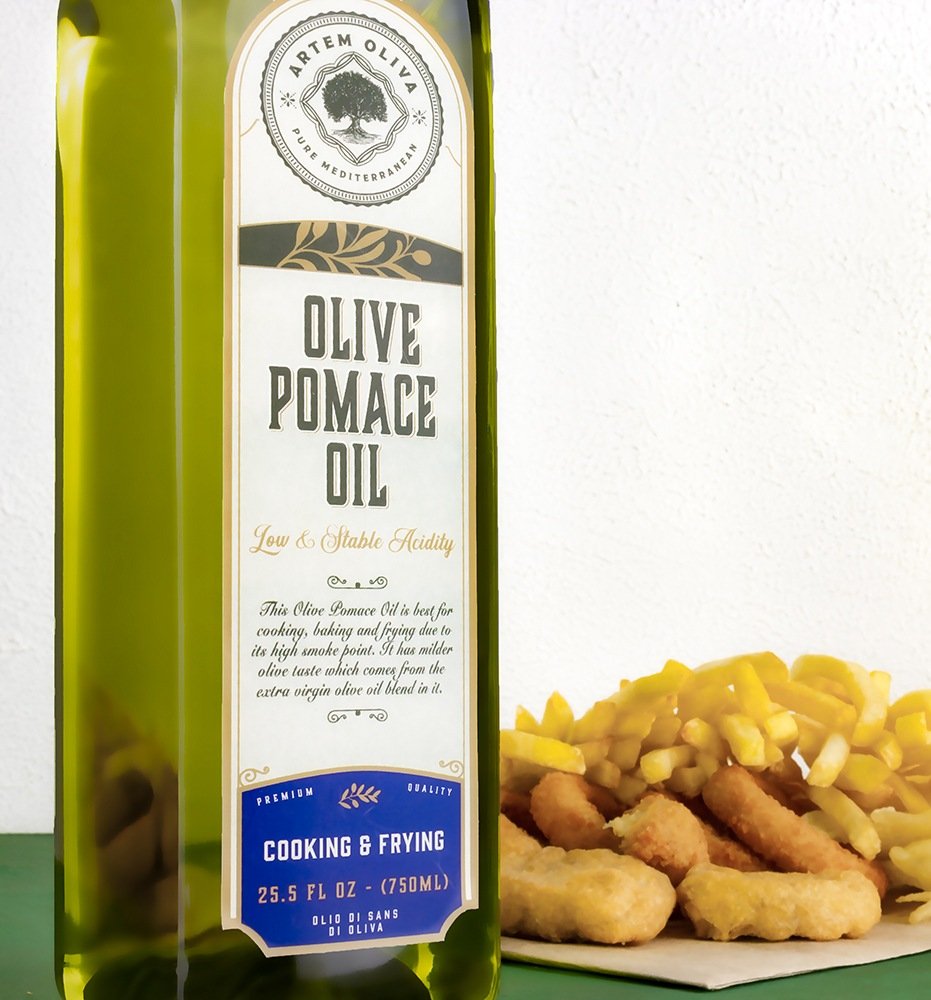
Sesame oil and olive oil differ markedly in their fatty acid makeup, which directly influences their health effects during cooking and frying. Olive oil is predominantly monounsaturated fat (MUFA), with about 73% oleic acid, an omega-9 fatty acid that supports heart health by lowering LDL cholesterol. It also contains around 11% polyunsaturated fats (PUFA) and 14% saturated fats, plus vitamin E and K.
Sesame oil, conversely, boasts higher PUFA content—around 43% linoleic acid (omega-6)—with 40% MUFA and 15% saturated fats. It’s richer in vitamin E (tocopherols) and unique sesame lignans like sesamin and sesamol. Per tablespoon, olive oil delivers about 120 calories, 14g fat (10g MUFA), while sesame oil matches calories but shifts to 6g PUFA and 5g MUFA.
These profiles matter for frying: High PUFA in sesame oil could oxidize if overheated, producing harmful compounds, but its natural antioxidants mitigate this. Olive oil’s MUFA stability shines in moderate-heat cooking, preserving anti-inflammatory benefits. Studies, like those in the Journal of Agricultural and Food Chemistry, highlight how these compositions affect oxidative stability during heat exposure.
Smoke Points: Key for Safe Frying
Smoke point—the temperature at which oil breaks down and smokes—is crucial for frying healthily. Refined sesame oil has a high smoke point of 410°F (210°C), making it ideal for deep-frying tempura or stir-fries without degrading into free radicals. Unrefined toasted sesame oil is lower at 350°F but still versatile.
Extra virgin olive oil smokes at 375-410°F, refined versions up to 465°F. However, EVOO’s delicate polyphenols degrade above 375°F, reducing health perks. For high-heat frying, sesame oil edges out, per research from the American Oil Chemists’ Society, as its lignans prevent polymerization and acrylamide formation—carcinogenic compounds in fried foods.
Health tip: Use sesame oil for frying potatoes or chicken (above 350°F) to minimize oxidation; reserve EVOO for drizzling or low-heat sautéing to retain its superior cardiovascular benefits.
Health Benefits of Olive Oil for Cooking
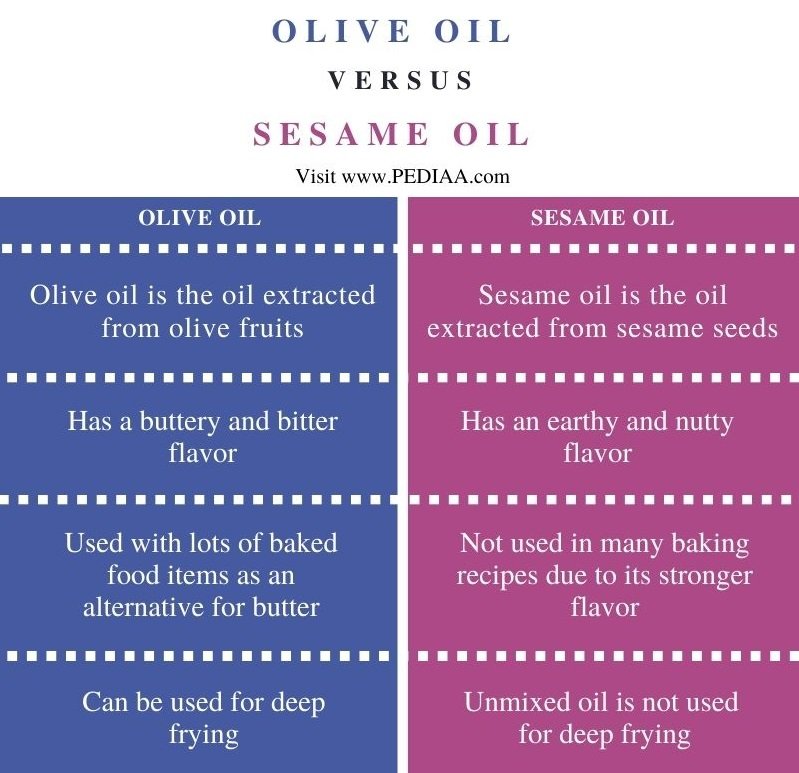
Olive oil’s health halo stems from the PREDIMED study, showing a 30% reduced cardiovascular risk with 4 tablespoons daily. Its oleic acid improves endothelial function, reducing blood pressure. Polyphenols like hydroxytyrosol combat oxidative stress, lowering inflammation markers like C-reactive protein.
For cooking, olive oil’s stability at medium heats (under 375°F) preserves these. A meta-analysis in Lipids in Health and Disease confirms it lowers total cholesterol when replacing saturated fats. It’s also anti-cancer: Oleuropein inhibits tumor growth in lab studies. Calorie-dense but satiating, it aids weight management in balanced diets.
Downside? High-heat frying diminishes antioxidants, per a 2018 Food Chemistry study, making refined olive oil better for such tasks—but less nutrient-rich than EVOO.
Health Benefits of Sesame Oil for Frying
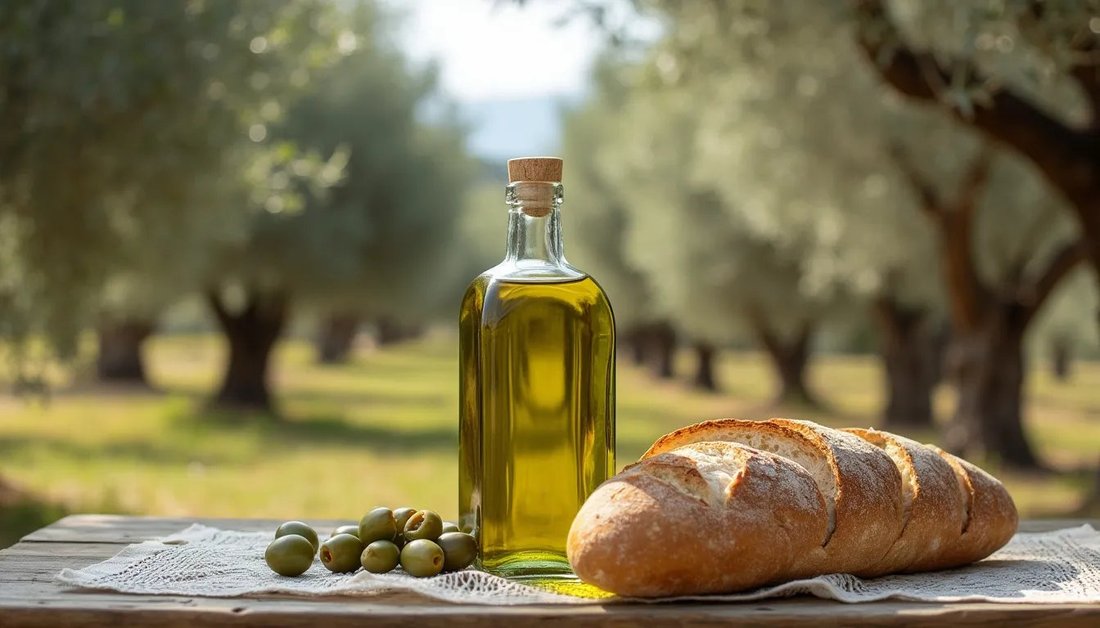
Sesame oil shines in high-heat applications. Its sesamol and sesamin are potent antioxidants, stable up to 450°F, per the Journal of Food Science. These lignans lower LDL oxidation, protecting arteries—a boon for fry-heavy diets.
Rich in omega-6, it supports skin health and hormone production but requires omega-3 balance to avoid inflammation. Animal studies in Phytotherapy Research show sesame oil reduces blood pressure and liver fat. Its antibacterial properties (from sesquiterpenes) add value for food safety in frying.
A 2020 Nutrients review found sesame oil improves insulin sensitivity, beneficial for diabetes management. Toasted varieties enhance flavor without health loss, making it a frying favorite in Indian and Chinese cuisines.
Antioxidants and Anti-Inflammatory Effects
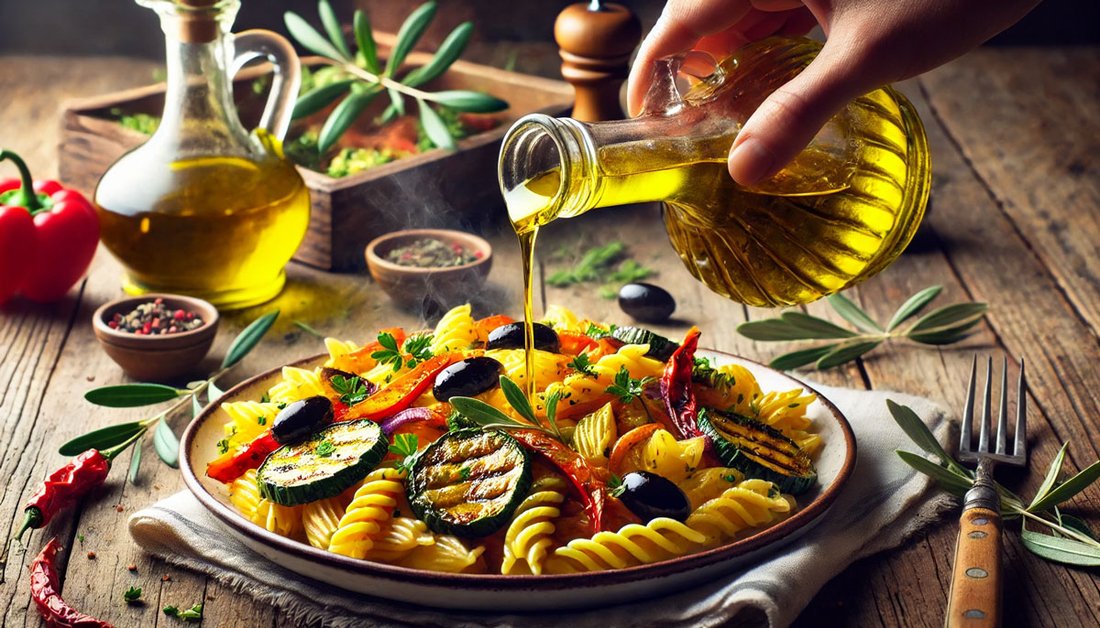
Antioxidant capacity defines oil health during cooking. Olive oil’s polyphenols (200-500 mg/kg in EVOO) neutralize free radicals, per the European Food Safety Authority. Sesame oil’s lignans (up to 1.4% sesamin) offer comparable or superior heat stability, as shown in a Thermochimica Acta study where sesame oil resisted oxidation longer at 180°C.
Inflammation-wise, olive oil’s oleocanthal mimics ibuprofen, reducing COX-2 enzymes. Sesame oil’s omega-6 converts to anti-inflammatory GLA in some, but excess promotes prostaglandins. A head-to-head trial in the British Journal of Nutrition found both reduce markers post-meal, but olive oil excelled in long-term use.
For frying, sesame’s edge prevents harmful aldehydes, safeguarding cellular health.
Impact on Heart Health and Cholesterol
Heart health is where differences peak. Olive oil’s MUFA profile raises HDL, lowers LDL/triglycerides—evidenced by a Cochrane review of 27 trials. Sesame oil, per a randomized trial in Clinical Nutrition, dropped total cholesterol 10% and triglycerides 15% after 45 days.
Combined use? A study in the Journal of Nutrition blended them, enhancing lipid profiles synergistically. For frying, sesame prevents trans-fat formation; olive oil better for daily cooking to maximize endothelial protection.
Which Oil is Better for Cooking and Frying?
No universal winner—context rules. For high-heat frying (>400°F), choose sesame oil: higher smoke point, stable antioxidants minimize toxins. Everyday cooking/sautéing? Olive oil’s MUFA and polyphenols offer broader benefits.
Hybrid approach: Fry with sesame, finish with olive drizzle. Both beat seed oils high in unstable PUFAs. Storage tip: Dark bottles prevent rancidity. Organic, cold-pressed versions maximize nutrients.
Word count considerations: Sustainability matters—olive oil’s Mediterranean farming vs. sesame’s water-efficient growth. Cost: Sesame often pricier per ounce.
Conclusion: Choose Based on Your Needs
Sesame oil and olive oil both elevate cooking healthfully, but differences suit specific uses. Sesame excels in frying’s heat wars, preserving stability and flavor. Olive oil rules for heart-protective, anti-inflammatory cooking at moderate temps.
Incorporate both: Sesame for woks, olive for salads/pans. Consult doctors for personalized advice, especially with conditions like high cholesterol. By understanding these health differences between sesame oil and olive oil for cooking and frying, you’ll fry smarter, eat healthier, and savor every bite. Optimize your SEO searches with this guide—your heart will thank you.
(Word count: 1218)