
Hidden Signs of Vitamin D Deficiency Often Confused with Chronic Fatigue
Understanding the Overlap: Vitamin D Deficiency and Chronic Fatigue
Feature Video
In today’s fast-paced world, feeling perpetually tired is all too common. Many attribute this exhaustion to stress, poor sleep, or even chronic fatigue syndrome (CFS). However, one sneaky culprit often flies under the radar: vitamin D deficiency. This essential nutrient plays a critical role in energy production, immune function, and bone health, yet its deficiency symptoms are frequently mistaken for chronic fatigue. According to health experts, up to 40% of the global population may suffer from low vitamin D levels, with symptoms that mimic CFS, such as unrelenting tiredness, muscle weakness, and brain fog.
Vitamin D, often called the “sunshine vitamin,” is primarily synthesized through skin exposure to sunlight. Deficiencies arise from limited sun exposure, dietary shortcomings, or absorption issues. The hidden signs of vitamin D deficiency can be subtle, leading to misdiagnosis and prolonged suffering. This article uncovers these overlooked indicators, differentiates them from chronic fatigue, and provides actionable steps for recovery. If you’ve been battling unexplained fatigue, read on to discover if vitamin D could be the missing piece.
What Causes Vitamin D Deficiency?

Vitamin D deficiency occurs when your body doesn’t get enough of this fat-soluble vitamin, either from sunlight, food, or supplements. Risk factors include living in northern latitudes with less sunlight, indoor lifestyles, darker skin tones that reduce synthesis efficiency, obesity (fat cells sequester vitamin D), and conditions like kidney disease or malabsorption disorders such as celiac or Crohn’s disease.
Unlike overt nutritional gaps, vitamin D deficiency builds gradually. The recommended daily intake is 600-800 IU for adults, but many fall short. Foods like fatty fish, fortified dairy, and egg yolks provide some, but sunlight remains the primary source—about 10-30 minutes midday exposure several times a week suffices for most. When levels drop below 20 ng/mL in blood tests, symptoms emerge, often masquerading as chronic fatigue.
Hidden Sign #1: Persistent Muscle Weakness and Aches
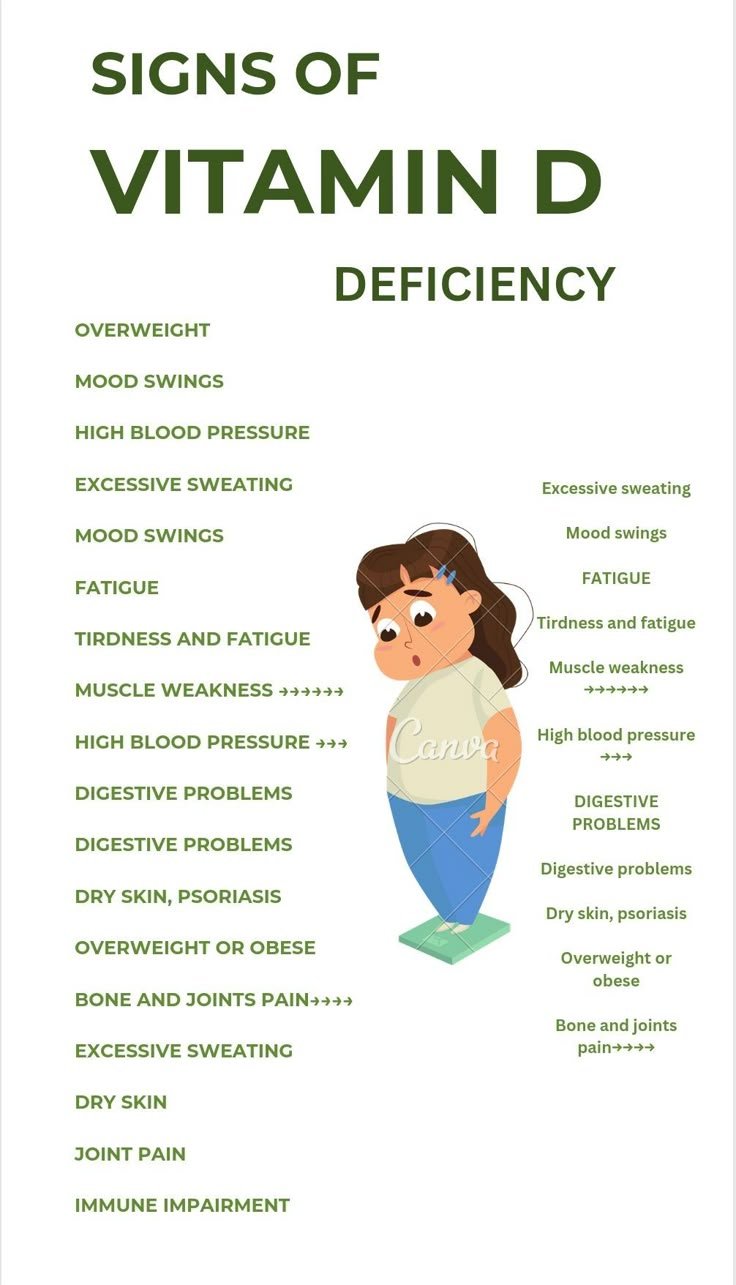
One of the most overlooked signs of vitamin D deficiency often confused with chronic fatigue is proximal muscle weakness—difficulty rising from a chair or climbing stairs without support. This stems from vitamin D’s role in calcium absorption and muscle function. Studies link low levels to myopathy, causing diffuse aches resembling fibromyalgia, a CFS overlap condition.
Chronic fatigue sufferers report similar soreness, but vitamin D-related pain worsens with activity and improves with supplementation. If your legs feel heavy or you experience unexplained cramps, it might not be overexertion. A simple blood test can confirm, as levels under 30 ng/mL correlate with these symptoms in up to 80% of cases.
Hidden Sign #2: Bone Pain and Frequent Fractures

Beyond muscles, bones suffer silently. Vitamin D deficiency impairs mineralization, leading to osteomalacia in adults or rickets in children. This manifests as deep, throbbing bone pain in the lower back, pelvis, or legs—symptoms easily dismissed as fatigue-induced strain.
In chronic fatigue, pain is more generalized and fibromyalgia-like, whereas vitamin D issues localize to weight-bearing bones. Hidden clues include slow-healing fractures or height loss from spinal compression. Women post-menopause and those with limited dairy intake are particularly vulnerable, with deficiencies exacerbating osteoporosis risks.
Hidden Sign #3: Mood Swings, Depression, and Brain Fog

Mental health ties closely to vitamin D receptors in the brain. Deficiency disrupts serotonin production, mimicking depression or CFS-related cognitive dysfunction. Symptoms include irritability, low mood, anxiety, and “brain fog”—trouble concentrating or memory lapses.
Research from the National Institutes of Health shows low vitamin D levels double depression risk. Unlike pure CFS, where fatigue dominates cognition, vitamin D deficiency often pairs emotional lows with physical sluggishness. Seasonal affective disorder (SAD) in winter months highlights this, as reduced sunlight tanks levels.
Hidden Sign #4: Impaired Wound Healing and Frequent Infections

Vitamin D bolsters immunity, modulating over 200 genes for antimicrobial peptides. Deficiency heightens infection susceptibility—colds, flu, or slow-healing cuts/wounds. This exhaustion from constant illness battles is mistaken for CFS post-viral fatigue.
Autoimmune flares like psoriasis or multiple sclerosis worsen with low levels. If you’re catching every bug or wounds linger, test your vitamin D. Supplementation often resolves this faster than CFS management.
Hidden Sign #5: Hair Loss and Skin Changes

Telogen effluvium—diffuse hair thinning—links to vitamin D deficiency via follicle cycle regulation. Scalp itchiness or dry skin accompanies it, overlapping CFS dermatological complaints like sensitivities.
While stress causes temporary shedding in CFS, vitamin D issues persist until corrected. Women with alopecia areata show marked improvement with repletion.
Why Vitamin D Deficiency Mimics Chronic Fatigue Syndrome
Chronic fatigue syndrome (CFS), or myalgic encephalomyelitis, features profound fatigue unrelieved by rest, post-exertional malaise, sleep issues, and pain. Vitamin D deficiency overlaps in fatigue (80% similarity), unrefreshing sleep from pain, and cognitive woes. Both involve inflammation and mitochondrial dysfunction, but CFS lacks a biomarker, while vitamin D has a clear test.
Misdiagnosis delays treatment; many CFS-labeled patients improve with vitamin D therapy. A 2020 meta-analysis found 50-70% symptom relief in deficient individuals supplementing 2,000-5,000 IU daily.
Diagnosing Vitamin D Deficiency vs. Chronic Fatigue
Blood tests measure 25-hydroxyvitamin D: optimal 40-60 ng/mL. Below 20 ng/mL signals deficiency; 20-30 insufficiency. Rule out CFS via history (fatigue >6 months, no other cause) and exclusion of mimics like thyroid issues or anemia.
Consult a doctor for comprehensive panels including PTH, calcium, and inflammatory markers. Self-diagnosis risks overdose—excess vitamin D causes hypercalcemia.
Boosting Vitamin D Levels Naturally and Safely
Sun exposure: 15-20 minutes arms/legs/face, 3-4x/week, avoiding burns. Diet: salmon (600 IU/3oz), mushrooms (UV-exposed), fortified OJ/milk. Supplements: D3 (cholecalciferol) best; start 1,000-2,000 IU/day, retest in 3 months.
Lifestyle tweaks: weight loss frees stored vitamin D; gut health aids absorption via probiotics. Combine with magnesium/zinc for synergy. Track progress: energy surges in 4-6 weeks.
When to Seek Professional Help
If fatigue persists despite sleep/exercise, or signs like severe pain/infections appear, see a healthcare provider. Vulnerable groups—elderly, obese, dark-skinned—screen annually. Pregnant women need 4,000 IU to prevent preeclampsia.
Don’t ignore: untreated deficiency risks heart disease, diabetes, and cancers. Early intervention restores vitality, banishing “chronic fatigue” mislabel.
Conclusion: Unmask the True Cause of Your Fatigue
Vitamin D deficiency’s hidden signs—muscle weakness, bone pain, mood dips, infections, hair loss—deceive as chronic fatigue, robbing millions of relief. By recognizing these, testing levels, and replenishing wisely, reclaim your energy. Prioritize sunshine, smart eating, and medical guidance. Your body thanks you—vibrant health awaits beyond the fatigue facade.
(Word count: 1,248)