
Intermittent Fasting for Beginners: How to Burn Fat Without Feeling Hungry
Intermittent Fasting for Beginners: How to Burn Fat Without Feeling Hungry
Intermittent fasting (IF) has exploded in popularity as a simple, effective way to lose weight, burn fat, and improve overall health without the constant battle against hunger. Unlike traditional diets that restrict calories every day, intermittent fasting for beginners focuses on when you eat rather than what you eat. This approach leverages your body’s natural fat-burning processes, making it easier to shed pounds while feeling energized and satisfied.
If you’re new to intermittent fasting, you might worry about starving yourself or crashing energy levels. The good news? Done right, IF helps you burn fat without feeling hungry by tapping into stored energy reserves during fasting windows. Studies, including those from the New England Journal of Medicine, show IF can reduce body weight by 3-8% over 3-24 weeks, improve metabolic health, and even extend lifespan in animal models. In this comprehensive guide, we’ll break down everything beginners need to know—from methods and benefits to practical tips for success.
What Is Intermittent Fasting and Why It Works for Fat Burning
Feature Video
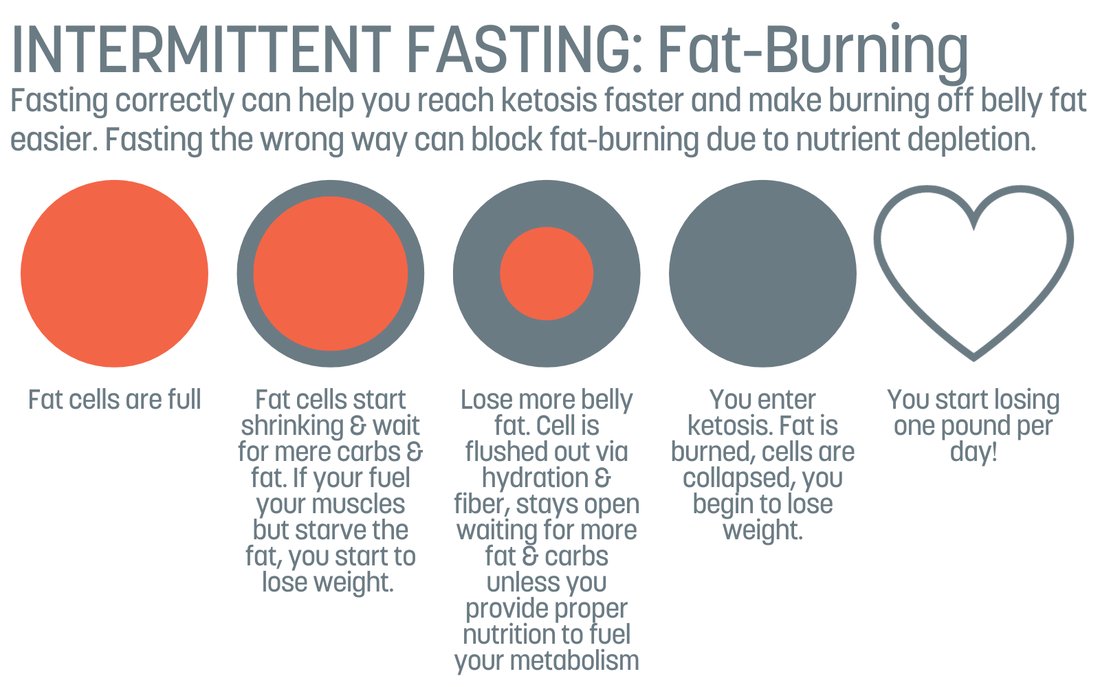
Intermittent fasting isn’t a diet; it’s an eating pattern that cycles between periods of eating and fasting. During fasting, your insulin levels drop, prompting your body to switch from burning carbs to burning fat for fuel—a process called ketosis. This is key for burning fat without feeling hungry because your body adapts to using fat stores efficiently.
For beginners, IF promotes autophagy, where cells clean out damaged parts, boosting longevity and reducing inflammation. A 2020 review in the Annual Review of Nutrition highlighted IF’s role in weight loss by decreasing calorie intake naturally—people eat less overall without tracking every bite. Hormonally, it increases norepinephrine and human growth hormone (HGH), accelerating fat breakdown. The result? Sustainable fat loss of 0.5-1 kg per week without deprivation.
Crucially, IF curbs hunger over time. Initial hunger pangs fade as ghrelin (hunger hormone) adjusts, and leptin (satiety hormone) rises. Beginners often report feeling fuller during eating windows, making it easier to burn fat without feeling hungry.
Top Intermittent Fasting Methods for Beginners
Starting with the right method is essential for intermittent fasting for beginners. Here are the most beginner-friendly protocols:
16/8 Method (Leangains Protocol): Fast for 16 hours, eat within an 8-hour window (e.g., noon to 8 PM). This is ideal for newcomers as it aligns with daily routines—skip breakfast, enjoy lunch and dinner. It’s sustainable and promotes steady fat burn.
14/10 Method: A gentler entry: 14-hour fast, 10-hour eating window. Perfect if 16/8 feels daunting.
5:2 Diet: Eat normally five days, restrict to 500-600 calories on two non-consecutive days. Great for those who prefer flexibility.
Eat-Stop-Eat: Full 24-hour fast once or twice weekly. More advanced, but beginners can try shorter versions.
Choose based on lifestyle. Women, athletes, or those with medical conditions should consult doctors. Apps like Zero or MyFitnessPal track fasting timers effortlessly.
Health Benefits of Intermittent Fasting Beyond Fat Loss
Intermittent fasting for beginners offers more than fat burning. Research from Johns Hopkins shows it lowers risk of type 2 diabetes by improving insulin sensitivity—up to 31% in some studies. It reduces oxidative stress, protecting against heart disease and cancer.
Brain health improves too: IF boosts BDNF (brain-derived neurotrophic factor), enhancing memory and mood. A study in Cell Metabolism found it mimics calorie restriction’s longevity effects. Physically, it preserves muscle while targeting fat, unlike crash diets.
For burning fat without feeling hungry, IF stabilizes blood sugar, preventing cravings. Users report clearer skin, better sleep, and higher energy—vital for beginners sticking to the plan long-term.
How to Start Intermittent Fasting Without Feeling Hungry: Step-by-Step Guide
Ease into intermittent fasting for beginners with these steps:
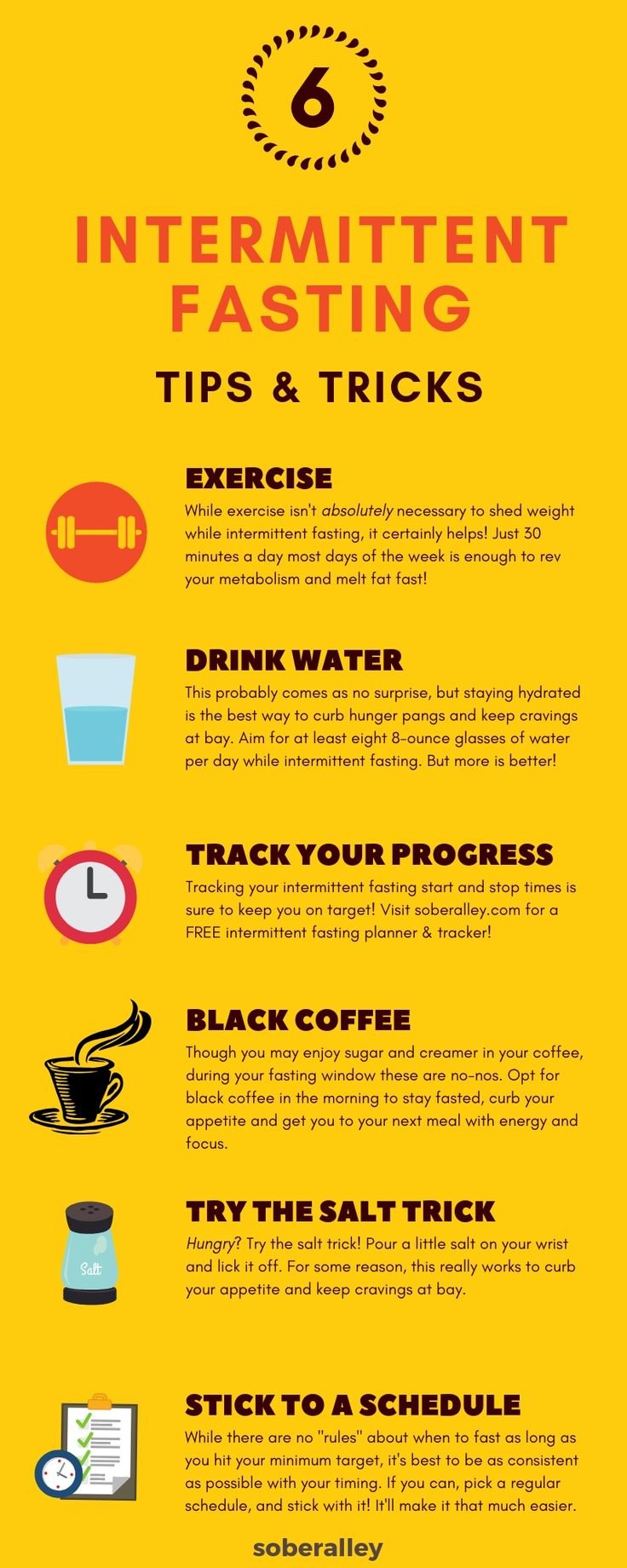
- Prep Your Body: Hydrate heavily—water, black coffee, tea curb initial hunger. Electrolytes (sodium, potassium, magnesium) prevent “keto flu.”
- Break Fasts Smartly: Start eating windows with protein and fats: eggs, avocado, nuts. Avoid sugar spikes.
- Focus on Nutrient-Dense Foods: Fill plates with veggies, lean proteins, healthy fats, whole grains. This sustains you through fasts.
- Time Exercise: Workout near eating windows for energy. Fasted cardio enhances fat burn.
- Listen to Your Body: If dizzy, shorten fasts. Sleep 7-9 hours; poor sleep amps hunger.
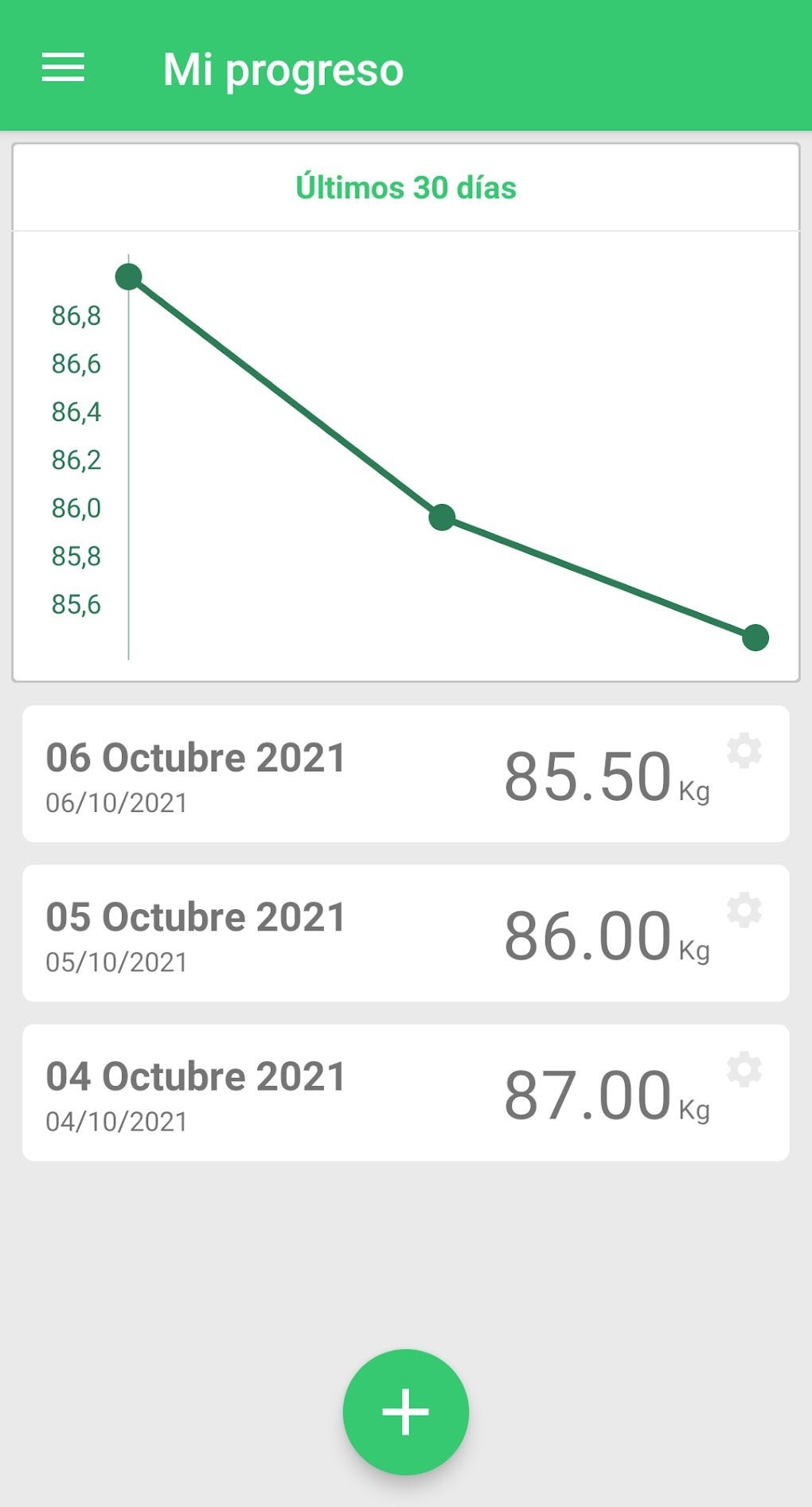
Track progress: Weigh weekly, measure waist. Expect water weight drop first, then fat loss. Consistency beats perfection—aim for 80% adherence.
Sample Intermittent Fasting Meal Plans for Beginners
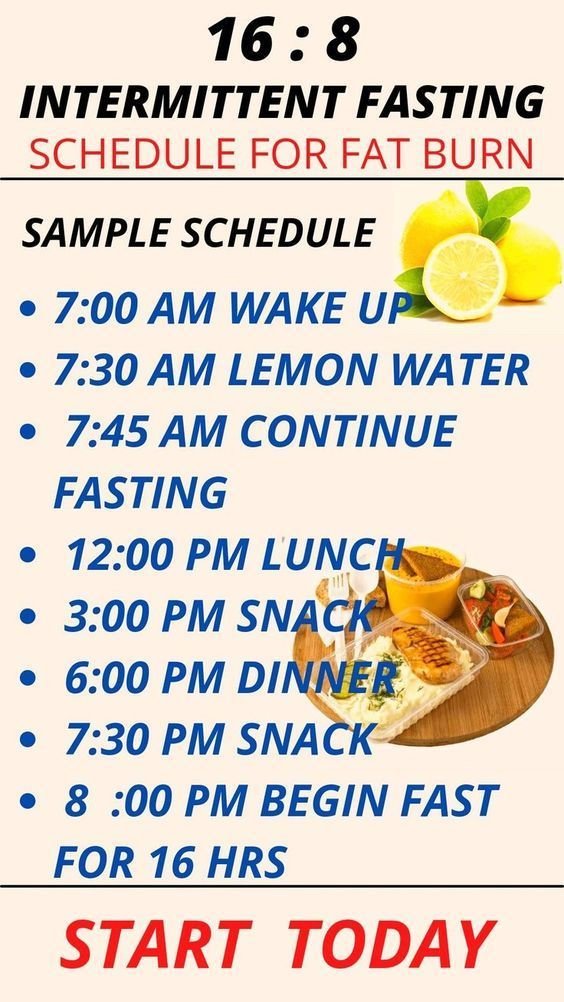
Here’s a 16/8 plan to burn fat without feeling hungry:
Monday-Wednesday-Friday (Eating Window: 12 PM – 8 PM):
- 12 PM (Lunch): Grilled chicken salad with spinach, olive oil, nuts (500 cal).
- 4 PM (Snack): Greek yogurt with berries (200 cal).
- 7 PM (Dinner): Salmon, quinoa, broccoli (600 cal).
- Total: ~1300-1600 cal, high satiety.
Tuesday-Thursday-Saturday (Vegetarian Option):
- 12 PM: Lentil soup, whole-grain bread (450 cal).
- 4 PM: Apple with almond butter (250 cal).
- 7 PM: Tofu stir-fry with veggies (550 cal).
Sunday (Refeed): Slightly higher carbs for recovery.
Adjust calories for goals (women: 1500-1800; men: 2000-2500). Prioritize fiber (25-30g/day) for fullness.
Tips to Avoid Hunger and Maximize Fat Burning on IF
Beat hunger with bone broth or herbal teas during fasts. Black coffee boosts metabolism 3-11%. Stay busy—hunger often passes in waves.
Supplements help: Multivitamins, omega-3s, B vitamins. Strength train 3x/week to build metabolism-boosting muscle.
Common pitfalls: Overeating post-fast (stick to plans), undereating (slows metabolism), ignoring stress (cortisol hinders fat loss). Women: Cycle-sync IF, easing during luteal phase.
Common Mistakes Beginners Make with Intermittent Fasting
Avoid these for success:
- Rushing In: Start gradual.
- Poor Food Choices: Junk in windows negates benefits.
- Ignoring Signals: Stop if unwell.
- No Patience: Results take 2-4 weeks.
Consult pros if pregnant, diabetic, or underweight.
Conclusion: Transform Your Body with Intermittent Fasting
Intermittent fasting for beginners is a game-changer for burning fat without feeling hungry. By choosing the right method, eating smart, and staying consistent, you’ll unlock fat loss, health gains, and vitality. Start today—your future self will thank you. Track progress, adjust as needed, and enjoy the journey to a leaner you.
(Word count: 1247)