
The Technical Differences Between OLED and AMOLED Screens Salespeople Won’t Tell You
Introduction to OLED and AMOLED: Beyond the Sales Pitch
Feature Video
In the world of smartphones, TVs, and wearable devices, OLED and AMOLED screens dominate premium displays. Salespeople often gloss over the nuances, touting both as “superior” without diving into the technical disparities. Understanding the differences between OLED and AMOLED can empower you to make informed purchases, avoiding buyer’s remorse. OLED, or Organic Light-Emitting Diode, represents a revolutionary display technology where pixels emit their own light. AMOLED, or Active-Matrix OLED, builds on this with an active matrix addressing system. While they share similarities, their structural, performance, and manufacturing differences significantly impact visuals, efficiency, and durability.
This article uncovers the technical secrets salespeople skip: from pixel architecture to power consumption and burn-in risks. Whether you’re eyeing the latest Samsung Galaxy or an LG OLED TV, grasping OLED vs AMOLED distinctions ensures you pick the right screen for gaming, streaming, or professional use. Keywords like “OLED vs AMOLED differences” highlight ongoing debates, but we’ll break it down with facts, not hype.
What is OLED Technology?

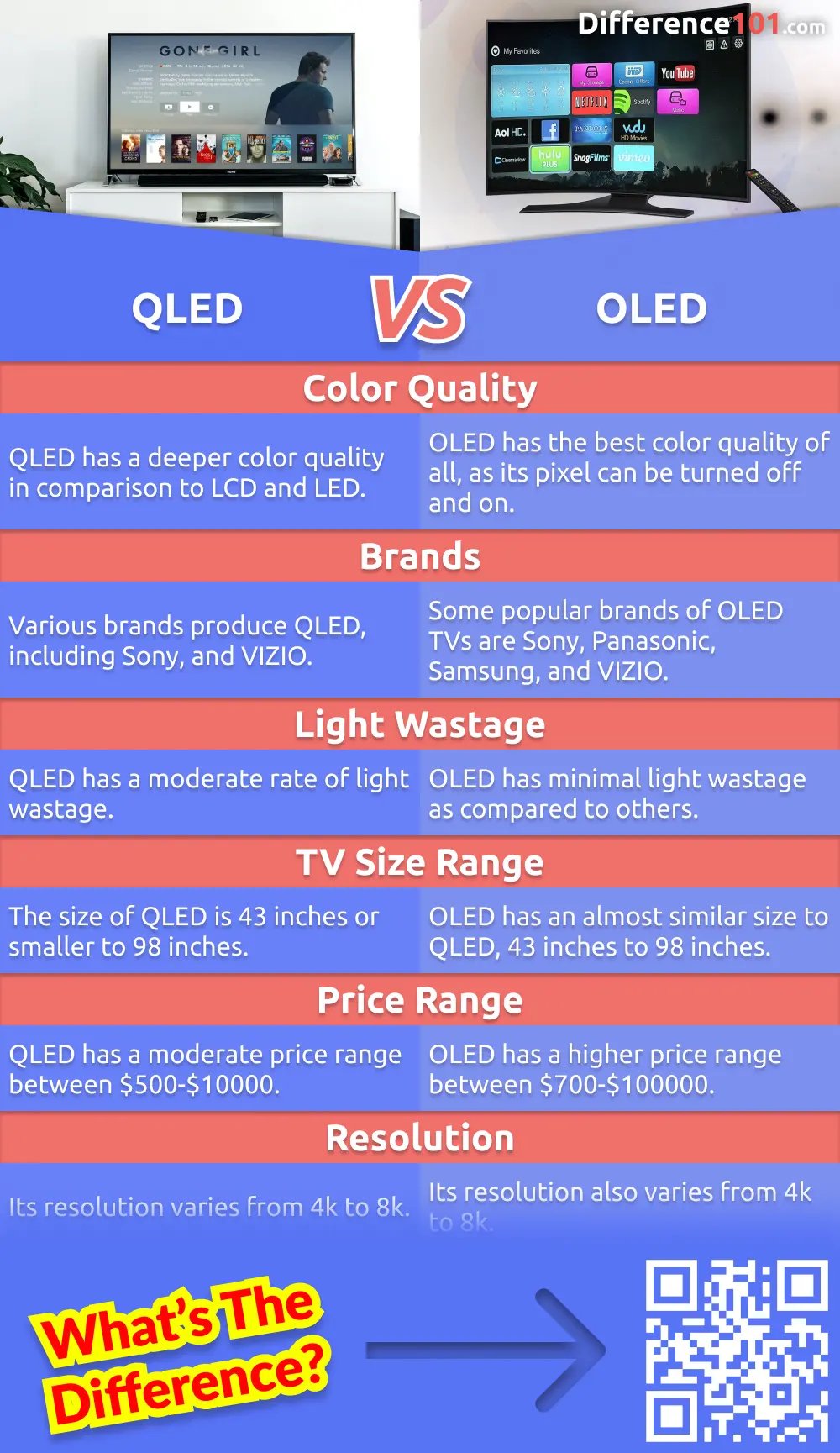
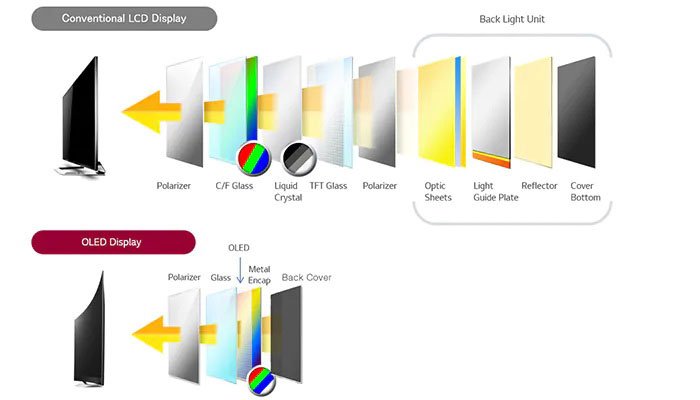
OLED technology fundamentally changes how displays work by using organic compounds that light up when electricity passes through them. Unlike LCDs relying on backlights, each OLED pixel is self-emissive, producing light independently. This enables true blacks—pixels turn off completely for infinite contrast ratios.
The basic structure includes an anode, cathode, and organic layers (emissive and conductive). When voltage applies, electrons and holes recombine, emitting photons. OLEDs come in passive-matrix (PMOLED) and active-matrix (AMOLED) variants. PMOLEDs suit simple displays like wearables due to lower complexity, but they’re limited in size and resolution.
LG Display pioneered large-scale OLEDs for TVs, using white OLED with color filters (WOLED) or red-green-blue printed OLED (RGB OLED). Advantages include wide viewing angles (up to 178 degrees), fast response times (<1ms), and vibrant colors. However, OLEDs face challenges like material degradation over time, leading to brightness fade. Manufacturing involves vacuum thermal evaporation for precise layer deposition, which is costly for large panels.
In smartphones, OLEDs excel in flexibility, enabling curved screens. But pure OLED without active matrix struggles with high resolutions, paving the way for AMOLED evolution.
Understanding AMOLED: The Active Matrix Evolution
AMOLED enhances OLED with an active-matrix thin-film transistor (TFT) backplane. Each pixel has its own TFT switch, allowing precise control over millions of subpixels. This contrasts with passive-matrix OLEDs, where rows and columns share control, causing crosstalk in larger displays.
Samsung Display leads AMOLED production, supplying panels for Galaxy series, iPhones (since 2017), and others. AMOLED uses a polyimide substrate for flexibility, unlike rigid glass in many OLED TVs. The stack includes TFT layer, organic emitters (often RGB directly, no color filters), encapsulation, and touch sensors integrated on-panel.
Dynamic AMOLED variants add High Dynamic Range (HDR10+) support, boosting peak brightness to 2000 nits. Super AMOLED integrates touch layers, reducing thickness. These innovations make AMOLED ideal for mobile, offering higher pixel density (up to 500 PPI) and better power efficiency for dark content.
Structural Differences: Layers and Substrates

At the core, OLED and AMOLED differ in architecture. Standard OLED (like WOLED TVs) uses a white emitter with RGBW color filters atop a glass substrate. This adds light loss (around 70% filtered out), slightly reducing efficiency but simplifying production for large sizes.
AMOLED employs direct RGB emitters on flexible polyimide or plastic substrates. No color filters mean higher light transmission (up to 30% more efficient). The TFT layer in AMOLED—typically low-temperature polycrystalline silicon (LTPS) or oxide TFTs—enables higher refresh rates (120Hz+). OLED TVs often use glass with rigid encapsulation, limiting flexibility.
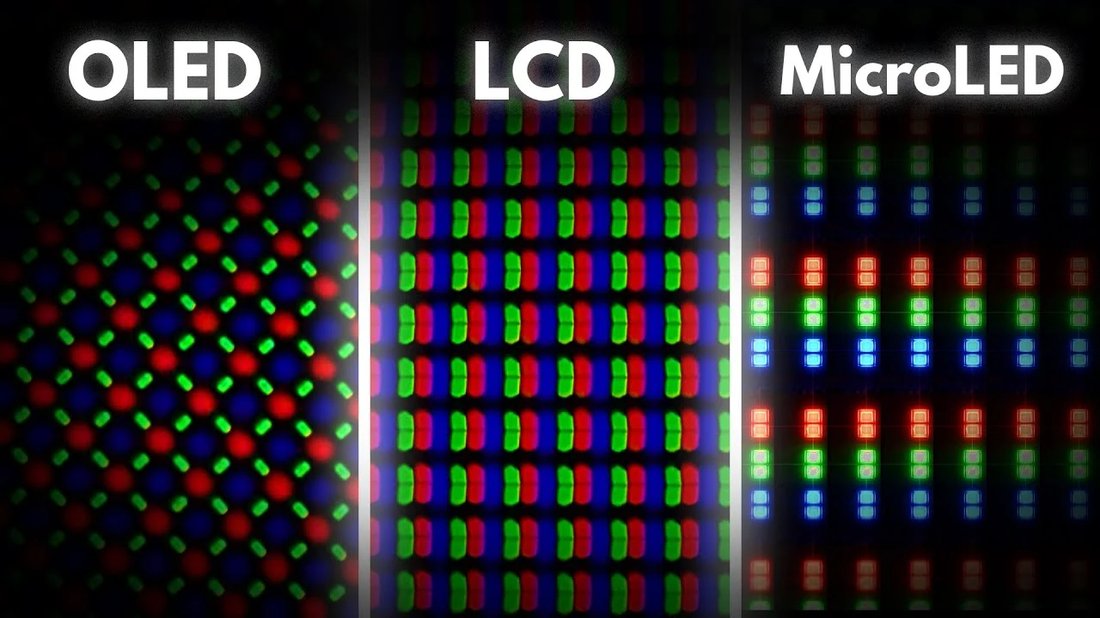
Pixel arrangement varies: PenTile in many AMOLEDs (RG-BG subpixel layout) vs. standard RGB in some OLEDs. PenTile saves space but can cause color fringing at low resolutions, a detail salespeople ignore.
Manufacturing Processes: Precision vs Scale
OLED manufacturing relies on fine metal mask (FMM) vapor deposition for TVs, aligning masks for each color subpixel—a yield-challenging process capping sizes at 88 inches economically. Inkjet printing emerges for RGB OLED, promising scalability.
AMOLED production favors Samsung’s innovations like laser-induced thermal imaging (LITI) for precise patterning on flexible substrates. Roll-to-roll processing suits mobiles, reducing costs for high volumes. AMOLED yields improve with oxide TFTs, minimizing defects. These processes make AMOLED cheaper per square inch for small panels but pricier for TVs than LCDs.
Brightness, Contrast, and Color Accuracy Compared
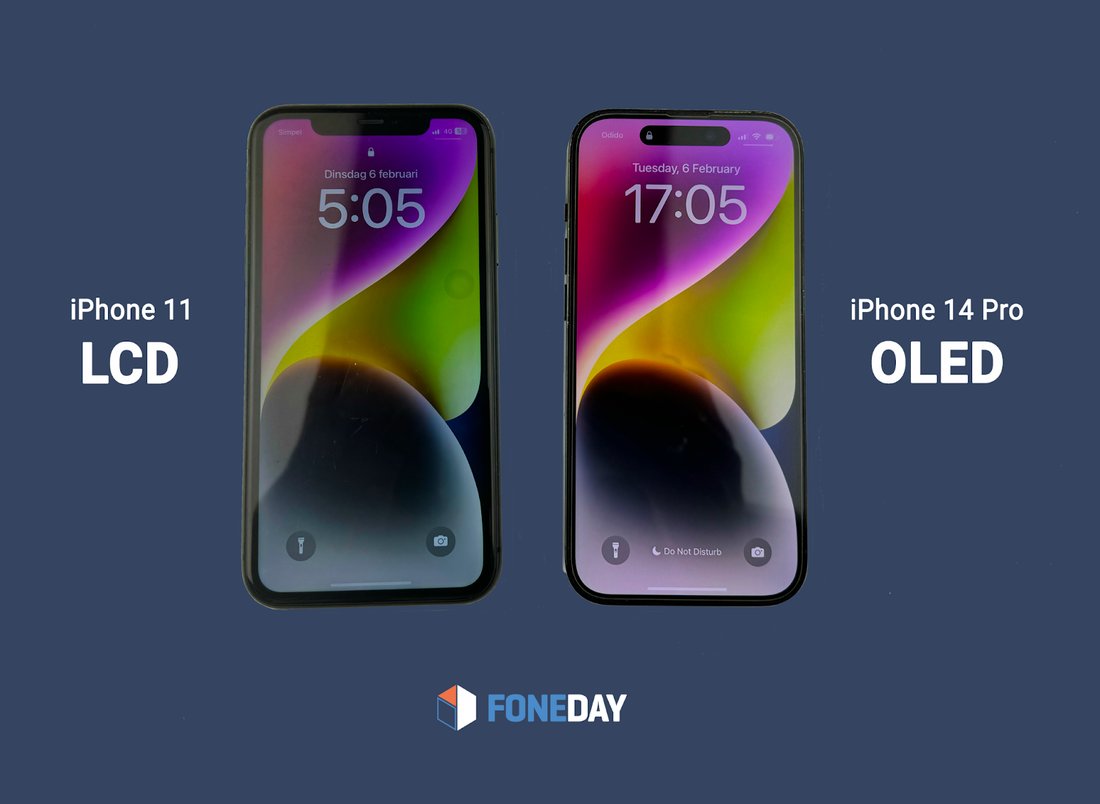
Both offer perfect blacks and infinite contrast, but AMOLED edges in peak brightness. Samsung’s AMOLED hits 2000+ nits for HDR, vs. OLED TVs at 1000-1500 nits. Color gamut: AMOLED DCI-P3 coverage exceeds 120%, with Delta E <2 for accuracy. OLEDs match but may shift under heat.
AMOLED’s direct emission yields punchier colors; OLED’s filters soften saturation slightly. In bright sunlight, AMOLED’s higher luminance wins for mobiles.
Power Consumption and Battery Impact
Self-emissive pixels shine in dark scenes—blacks consume zero power. AMOLED optimizes with always-on displays (AOD) showing key info at 1-2% power. Full-screen whites draw more from AMOLED due to PenTile efficiency. OLED TVs sip power (under 100W for 55-inch), beating plasma.
For mobiles, AMOLED extends battery 10-20% over LCDs in mixed use, a key sales omission.
Burn-in Risks and Longevity
Burn-in plagues both: static images degrade organics unevenly. AMOLED mitigates with pixel shifting, compensation algorithms. Modern panels last 100,000+ hours to 50% brightness. OLED TVs use compensation; avoid static HUDs in gaming.
AMOLED’s LTPS TFTs resist faster degradation than older OLEDs.
Viewing Angles, Response Times, and Refresh Rates
Both excel: 178-degree angles with no gamma shift. Response times under 0.1ms crush LCD ghosting, ideal for gaming/esports. AMOLED supports LTPO (low-temp poly oxide) for variable 1-120Hz, saving power.
Cost and Market Implications
AMOLED dominates smartphones (80% premium market) due to scale; OLED rules TVs (LG’s monopoly). Prices drop: AMOLED panels under $100 for 6-inch. Future QD-OLED hybrids blend quantum dots for superior brightness.
OLED vs AMOLED: Which Should You Choose?
For TVs: OLED for cinematic accuracy. Mobiles: AMOLED for brightness/flexibility. Gamers prioritize AMOLED’s refresh; photographers, OLED’s neutrality.
Conclusion: Make Informed Choices
Salespeople prioritize sales over specs—OLED and AMOLED differ in matrix tech, substrates, and optimizations. Prioritize your needs: portability favors AMOLED, immersion OLED. Stay updated on MicroLED successors. Armed with these insights, demand transparency and elevate your display game.
(Word count: 1218)