
Attack on Titan’s DARK Alternative Ending: The Shocking Changes Isayama Made That Fans Never Saw!
Introduction to Attack on Titan and Its Epic Conclusion
Watch Related Video Coverage
Attack on Titan, known in Japan as Shingeki no Kyojin, is one of the most influential manga and anime series of the 21st century. Created by Hajime Isayama, it first serialized in Kodansha’s Bessatsu Shōnen Magazine in September 2009 and concluded after 139 chapters in April 2021. The story follows Eren Yeager, Mikasa Ackerman, and Armin Arlert in a post-apocalyptic world where humanity lives behind massive walls to protect themselves from Titans—giant, humanoid creatures that devour humans without reason. What begins as a tale of survival and revenge evolves into a complex narrative exploring themes of freedom, war, genocide, cycles of hatred, and moral ambiguity.
The anime adaptation, produced by Wit Studio for the first three seasons and MAPPA for the final two seasons and specials, brought Isayama’s vision to global audiences, amassing over 100 million manga copies sold worldwide and countless awards. The series finale, particularly chapters 138 and 139 of the manga and the concluding episodes of “The Final Chapters,” sparked intense debate. Fans praised its philosophical depth but criticized perceived rushed pacing and character decisions. Central to this controversy is Isayama’s revelation of an “alternative ending”—a darker draft he ultimately revised. This article dives deep into what Isayama changed, why he did it, and how it reshaped Attack on Titan’s legacy.
The Controversial Published Ending: A Recap Without Major Spoilers
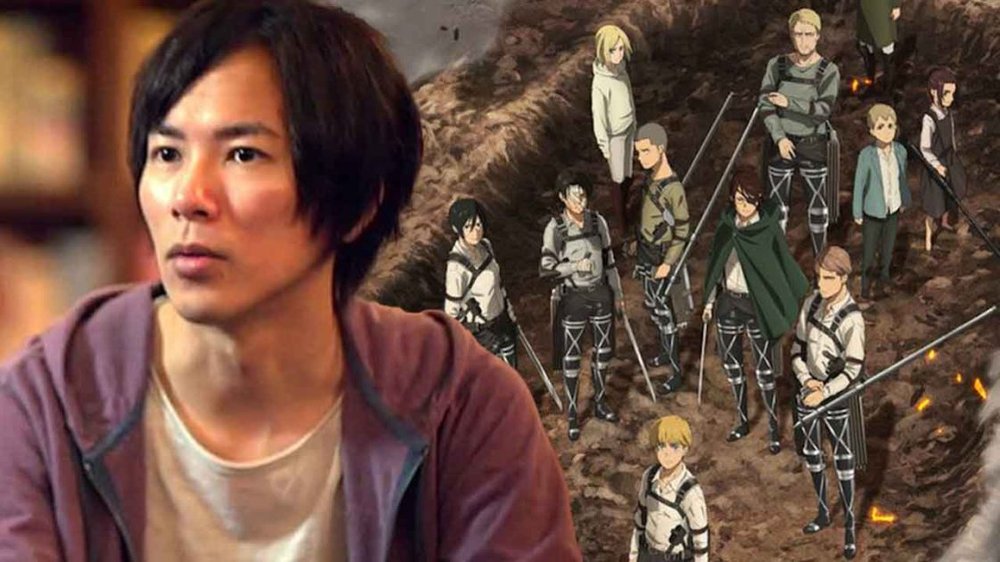
To understand the alternative, we must contextualize the official ending. By the manga’s climax, revelations about the Titans’ origins, the world’s true history, and Eren’s transformation into a central antagonist upend everything. Eren activates “The Rumbling,” a cataclysmic event unleashing millions of Colossal Titans to trample the world beyond Paradis Island, aiming to eradicate threats to his people’s freedom. His friends, once comrades, must confront him in a heartbreaking alliance with former enemies.
The finale resolves with profound sacrifices, a bittersweet victory, and a cyclical epilogue hinting at ongoing conflict. Mikasa’s pivotal role, Armin’s diplomacy, and Eren’s pursuit of “freedom” culminate in a poignant yet divisive close. Isayama aimed for ambiguity—did Eren’s actions justify the ends? The anime’s Special 2, airing in November 2023, faithfully adapted this, including post-credits scenes emphasizing the story’s themes. However, fan backlash on platforms like Reddit and Twitter accused the ending of betraying Eren’s arc, feeling it softened his radicalism.
Isayama’s Alternative Ending: The Ultra-Dark Draft Revealed
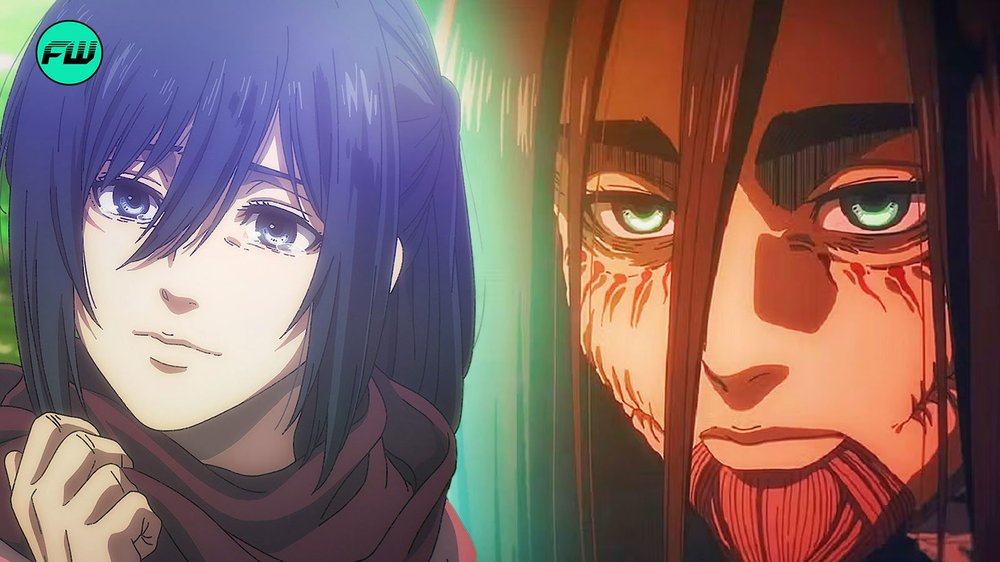
In a bombshell revelation during the Bessatsu Shōnen Magazine’s 35th anniversary project in 2021, Isayama shared a storyboard for his original ending draft. This “alternative ending” was far bleaker: Eren fully succeeds in The Rumbling, annihilating nearly all of humanity, including his closest friends. In vivid panels, Eren transforms in a path-like realm, slaying Armin, Mikasa, and others who oppose him. Mikasa survives as the last human, wandering a ruined world haunted by Eren’s bird form—a symbol of his lingering presence.
Mikasa ultimately confronts Eren in the Paths (the metaphysical realm connecting Eldians), killing him in an intimate, tragic moment. The draft ends with her burying him under a tree, mirroring the series’ opening imagery, but with utter desolation. No hope, no alliances—just isolation and genocide’s hollow victory. Isayama described this as his initial vision, influenced by his early concepts of inescapable tragedy, akin to the walls trapping humanity.
This wasn’t mere fan service; Isayama confirmed in interviews, like his 2021 discussion with editor Kawakubo Shintaro, that he scripted this draft around chapter 130. He sketched it himself for the anniversary, captioning it as the “first version” he abandoned. The change stemmed from editorial feedback and his evolving perspective during serialization, which spanned over a decade amid real-world events like global conflicts influencing his views on peace.
Why Did Isayama Change It? Creative Evolution and External Pressures
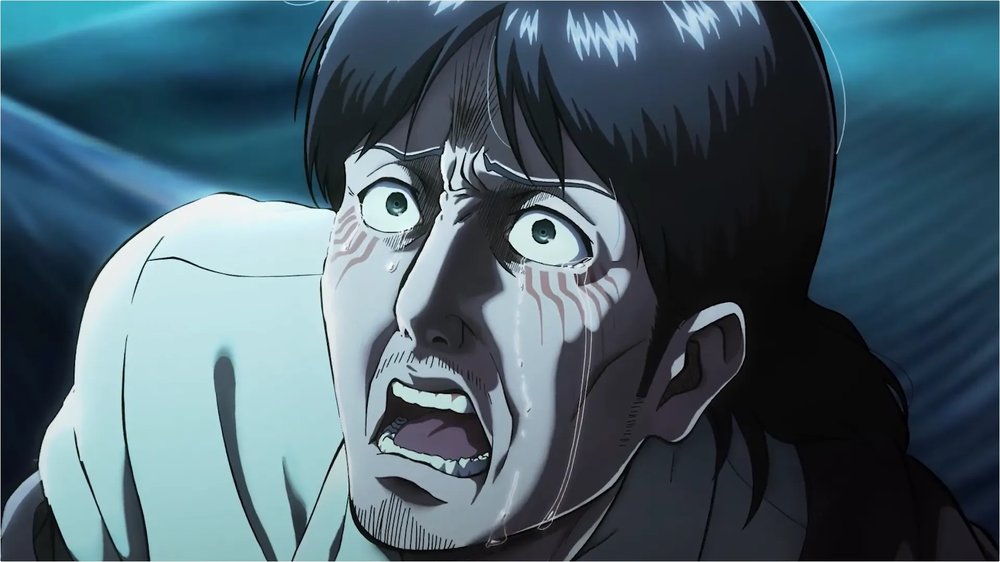
Isayama’s decision to revise wasn’t arbitrary. Serialization pressures played a role—manga artists often adjust based on reader polls and editor input. Kawakubo noted the original felt “too pessimistic,” risking alienating fans after years of investment. Isayama himself reflected in a 2021 Financial Times interview: “I wanted to draw a picture that conveys a certain feeling… but the readers’ response made me think again.” He incorporated more “hope” elements, like the Alliance’s formation and the epilogue’s children discovering Eren’s grave, suggesting potential breaking of hatred’s cycle.
Thematically, the shift aligns with Isayama’s growth. Early Attack on Titan was nihilistic, but later arcs humanized “Marleyans” (the outside world), challenging black-and-white morality. The alternative ending reinforced determinism—Eren as unstoppable monster—while the published version grapples with choice and redemption. Isayama drew from personal experiences, including his dissatisfaction with endings like Game of Thrones, pushing for nuance.
Production timelines factored in too. The COVID-19 pandemic delayed MAPPA’s animation, allowing minor tweaks. Isayama oversaw the anime finale closely, ensuring fidelity but with subtle enhancements, like expanded Paths scenes clarifying Eren’s manipulations via future visions.
Fan Reactions and the Alternative Ending’s Impact
The reveal of the alternative ending fueled the “Eren AOT stan” movement. Petitions for an “Eren wins” redo garnered thousands of signatures, with YouTubers like Yuri Isayama (no relation) analyzing “betrayals.” Defenders argue the change elevated the series, avoiding edgelord tropes. Data from MyAnimeList shows the finale at 8.5/10, polarizing but respected.
Merchandise and spin-offs reflect this duality. “Attack on Titan: The Last Attack” movie compilations (2024 Japan release) recaps the end, while games like Attack on Titan 2 incorporate “what-if” scenarios. Isayama’s post-manga life—starting Nextwind Productions for original works—shows he’s moved on, but the debate endures.
Legacy: How the Changes Cemented Attack on Titan’s Status
Isayama’s pivot from despair to guarded optimism mirrors the series’ core: humanity’s flawed quest for freedom. Without the change, Attack on Titan might be remembered as a grimdark one-note story, not a cultural phenomenon influencing works like Jujutsu Kaisen or Chainsaw Man. The alternative ending humanizes Isayama as an artist who listens, adapts, and challenges himself.
Critics like The New York Times lauded the finale’s “Birdman”-esque pathos, while Polygon noted its anti-war message. Sales post-finale surged, proving the ending’s resonance. For newcomers, it underscores rewatching’s value—foreshadowing abounds, rewarding scrutiny.
In retrospect, Isayama’s changes weren’t compromises but perfections. The alternative draft, while intriguing, lacked the emotional payoff of friends choosing against genocide. Attack on Titan ends not with annihilation, but a fragile hope—Eren’s bird soaring free, Mikasa’s scarf enduring. That’s the true genius: an ending changed for the better, sparking eternal discussion.
(Word count: 1,056)