
How to Stop Emotional Eating and Develop a Healthy Relationship with Food
How to Stop Emotional Eating and Develop a Healthy Relationship with Food
Emotional eating is a common struggle that affects millions worldwide. Instead of nourishing the body, food becomes a crutch for dealing with stress, boredom, sadness, or even happiness. If you’ve ever reached for a bag of chips after a tough day or polished off a pint of ice cream during a breakup, you’re not alone. Studies show that up to 75% of overeating is triggered by emotions rather than hunger. The good news? You can stop emotional eating and cultivate a healthy relationship with food through awareness, practical strategies, and consistent habits. This comprehensive guide explores how to identify emotional eating patterns, uncover root causes, and implement proven techniques to break the cycle. By the end, you’ll have actionable steps to reclaim control and enjoy food mindfully.
Understanding Emotional Eating: The First Step to Change
Feature Video
Emotional eating differs from physical hunger in key ways. True hunger builds gradually and is satisfied by any nutritious food, while emotional hunger strikes suddenly, craves specific comfort foods like sweets or fried items, and often leads to guilt afterward. Recognizing these signs is crucial for stopping emotional eating. Common triggers include stress from work, relationship issues, loneliness, or even positive emotions like celebration.
Psychologically, emotional eating ties into the brain’s reward system. When stressed, cortisol levels rise, prompting cravings for high-sugar, high-fat foods that trigger dopamine release—a temporary mood boost. Over time, this creates a vicious cycle, leading to weight gain, digestive issues, low energy, and worsened mental health. To develop a healthy relationship with food, start by tracking your eating patterns. Keep a food-mood journal for a week, noting what you eat, portion sizes, time of day, and your emotional state. This awareness alone can reduce episodes by 30-50%, according to research from the American Psychological Association.
Root Causes of Emotional Eating and How to Address Them
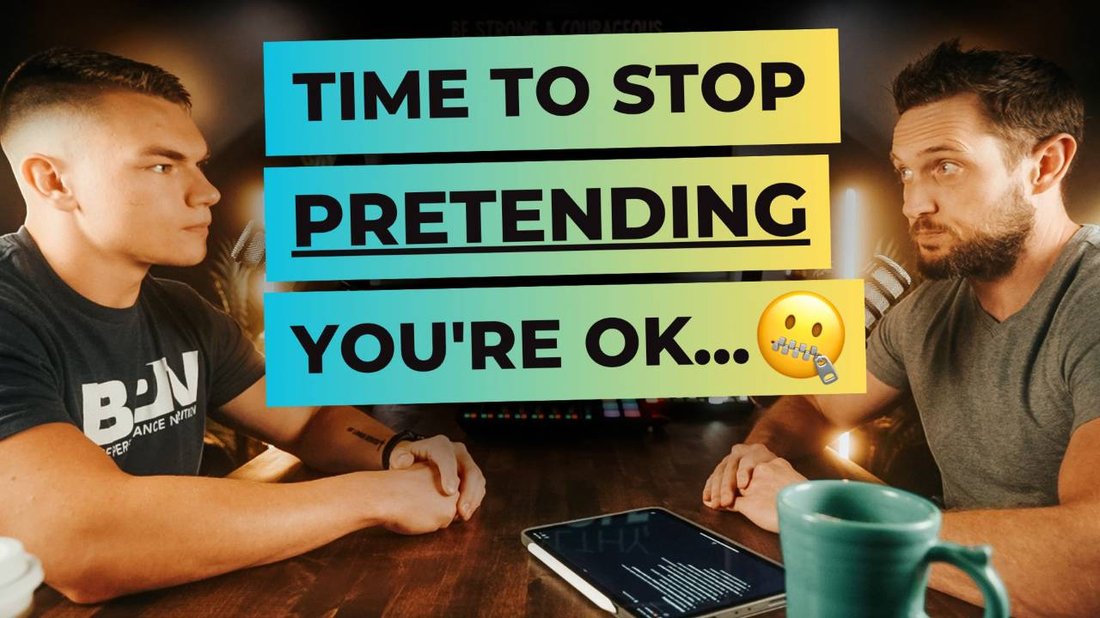
Emotional eating often stems from deeper issues. Childhood habits play a role; many learn to use food as comfort from family dynamics where treats rewarded good behavior or soothed distress. Unresolved trauma, anxiety disorders, or depression amplify the problem, as eating distracts from painful feelings. Diet culture exacerbates it too—constant dieting leads to restriction, which backfires with binges during emotional lows.
To tackle root causes, practice self-compassion. Harsh self-criticism fuels the cycle, so replace it with affirmations like “I’m learning to care for myself better.” Therapy modalities like Cognitive Behavioral Therapy (CBT) are highly effective, rewiring negative thought patterns. Apps like Noom or therapy platforms offer CBT tools tailored to emotional eating. Additionally, address physiological factors: poor sleep disrupts hunger hormones ghrelin and leptin, mimicking emotional cravings. Aim for 7-9 hours nightly and incorporate stress-reducers like meditation to lower cortisol.
Proven Strategies to Stop Emotional Eating Immediately

Breaking the habit requires interrupting the urge-response pattern. The HALT method—check if you’re Hungry, Angry, Lonely, or Tired—before eating helps differentiate emotions from needs. If it’s emotional, pause for 10 minutes and use alternatives: go for a walk, call a friend, or do deep breathing exercises. The 5-4-3-2-1 grounding technique engages senses to pull you from autopilot—name 5 things you see, 4 you touch, 3 you hear, 2 you smell, 1 you taste.
Mindful eating practices transform your relationship with food. Eat without distractions—no screens or work. Chew slowly, savor flavors, and rate hunger on a 1-10 scale before and after meals. This fosters intuitive eating, where you honor hunger and fullness cues. Stock your kitchen with nutrient-dense options to crowd out junk: fruits, nuts, yogurt for sweet cravings; veggies and hummus for salty ones. Pre-portion snacks to avoid mindless munching. Research from the Journal of the Academy of Nutrition and Dietetics shows mindful eaters reduce binge episodes by 40%.
Building Sustainable Habits for a Healthy Relationship with Food

A healthy food relationship means viewing meals as fuel and pleasure, not punishment or escape. Adopt the 80/20 rule: 80% nourishing foods, 20% indulgences without guilt. Plan balanced plates with half veggies, quarter protein, quarter whole grains—this stabilizes blood sugar, curbing emotional spikes. Hydrate first; thirst masquerades as hunger 20% of the time.
Incorporate joyful movement like yoga or dancing, which boosts endorphins naturally, reducing food reliance for mood. Build a support system—join online communities like Reddit’s r/Volumeeating or local groups for accountability. Set micro-goals: one mindful meal daily, then expand. Track progress weekly, celebrating non-scale victories like fewer stress eats. Over 12 weeks, these habits rewire neural pathways, making intuitive choices automatic.
Practical Daily Tips to Overcome Emotional Eating

Start your day with protein-rich breakfasts like eggs or smoothies to prevent blood sugar crashes. Use visual cues: place a water bottle and fruit bowl on your desk. When cravings hit, ask “What am I really hungry for?”—often it’s rest or connection. Experiment with herbal teas or dark chocolate (70%+ cocoa) for satisfaction with fewer calories.
Evening routines matter—dim lights, avoid screens an hour before bed to regulate melatonin. If boredom triggers night eating, prep engaging activities like reading or puzzles. For social settings, practice polite declines: “I’m good, thanks—enjoying this salad.” Apps like MyFitnessPal track emotions alongside intake, revealing patterns. Consistency compounds: after 21 days, new habits stick 66% better per University College London studies.
Nutrition Hacks to Support Emotional Balance

Food influences mood via gut-brain axis. Omega-3s in salmon, walnuts reduce inflammation-linked depression; probiotics in kefir, sauerkraut support serotonin production (95% gut-made). Magnesium-rich spinach, almonds calm nerves, combating stress eating. Limit caffeine and alcohol, which heighten anxiety.
Meal timing aids: eat every 3-4 hours to avoid hanger. Intermittent fasting works for some but consult a doctor if emotional eating persists. Supplements like chromium curb carb cravings, but prioritize whole foods. A Mediterranean diet—emphasizing plants, healthy fats—lowers emotional eating risk by 25%, per meta-analyses.
When to Seek Professional Help for Lasting Change

If emotional eating leads to disordered patterns, obesity, or co-occurring mental health issues, professional intervention is key. Registered dietitians specialize in intuitive eating coaching; psychologists treat underlying emotions. Binge Eating Disorder affects 2.8% of adults—symptoms include loss of control and distress. Medications like GLP-1 agonists (e.g., semaglutide) show promise under supervision.
Group programs like Overeaters Anonymous provide community. Early help prevents escalation; 70% improve with therapy per NIH data. You’re worthy of support—reaching out is strength, not weakness.
Conclusion: Your Path to Food Freedom Starts Today

Stopping emotional eating and developing a healthy relationship with food is a journey of self-discovery, not perfection. By understanding triggers, employing mindful strategies, and building supportive habits, you’ll nourish body and soul. Expect setbacks—they’re teachers. Commit to one tip today: journal your next meal. Over time, food becomes ally, not enemy. Embrace this empowerment; your vibrant, balanced life awaits. (Word count: 1,248)