
The Best Protein Sources for Vegans Who Want to Build Serious Muscle
Introduction to Vegan Muscle Building
Feature Video
Veganism and bodybuilding might seem like an unlikely duo at first glance, but countless athletes prove it’s entirely possible to build serious muscle on a plant-based diet. The key lies in selecting high-quality vegan protein sources that deliver complete amino acid profiles, sufficient calories, and essential nutrients for muscle repair and growth. With smart planning, vegans can match or exceed the gains of their omnivorous counterparts. This article dives into the best protein sources for vegans aiming to pack on muscle, backed by science and practical tips. Whether you’re a beginner or seasoned lifter, these options will fuel your workouts and recovery.
Protein is the cornerstone of muscle hypertrophy, providing the building blocks—amino acids—for repairing micro-tears from resistance training. Vegans need about 1.6-2.2 grams of protein per kilogram of body weight daily for optimal gains, according to a 2018 review in the Journal of the International Society of Sports Nutrition. Plant proteins often score lower on digestibility, so variety and higher intake are crucial. Fear not—nature offers powerhouse foods that rival whey or eggs.
Why Choose Vegan Protein for Muscle Growth?
Beyond ethics and health benefits like reduced inflammation and better heart health, vegan proteins come loaded with fiber, antioxidants, and micronutrients that support overall performance. Studies, such as one from the American Journal of Clinical Nutrition (2020), show plant-based diets enhance recovery when protein needs are met. Plus, many vegan sources are budget-friendly and versatile for meal prepping. To build serious muscle, combine these with carbs for energy and fats for hormone production—think testosterone boosters like zinc-rich seeds.
Top Whole-Food Vegan Protein Sources
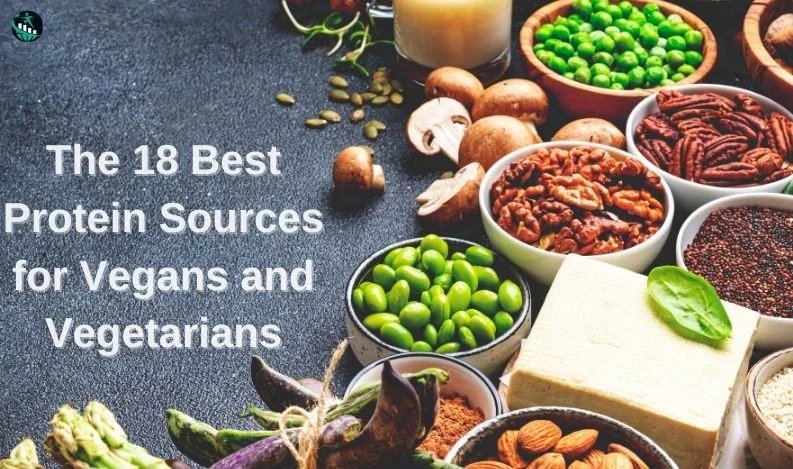
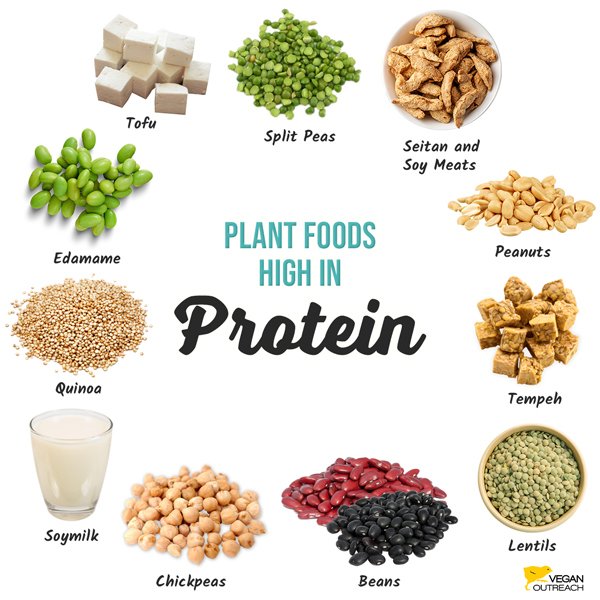
Whole foods should form the bulk of your intake for sustained energy and satiety. Here’s a curated list of the best, ranked by protein density per serving.
Lentils: Affordable and Versatile Muscle Fuel
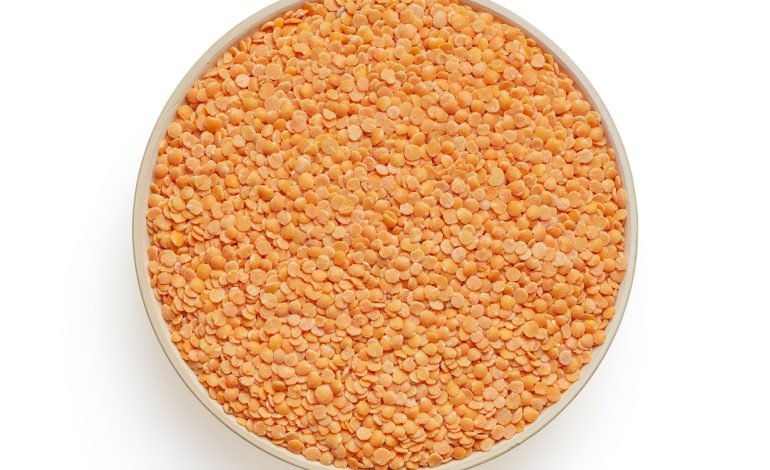
Lentils top the list with 18 grams of protein per cooked cup (198g), plus 16g fiber for gut health and steady blood sugar. They’re rich in iron and folate, combating vegan anemia risks. A 2019 study in Nutrients found lentil protein supports muscle protein synthesis similarly to animal sources when consumed post-workout.
Incorporate lentils into muscle-building meals: lentil patties with quinoa, hearty curries over brown rice, or blended into veggie burgers. Aim for 1-2 cups daily; their leucine content (2.5g per cup) triggers muscle growth signals.
Tofu and Tempeh: Soy’s Dynamic Duo
Soy products shine for vegans. Firm tofu offers 10g protein per 100g, while tempeh packs 19g—fermented for better digestion and B12 production. Both provide all nine essential amino acids, making them “complete” proteins. Research from Medicine & Science in Sports & Exercise (2021) confirms soy isolates match whey for lean mass gains.
Tempeh’s nutty flavor suits stir-fries, scrambles, or “bacon” strips. Tofu excels in smoothies, scrambles, or marinated grill slabs. Pro tip: Pair with resistance bands or weights for 40g+ protein meals.
Seitan: The Meaty Protein Powerhouse
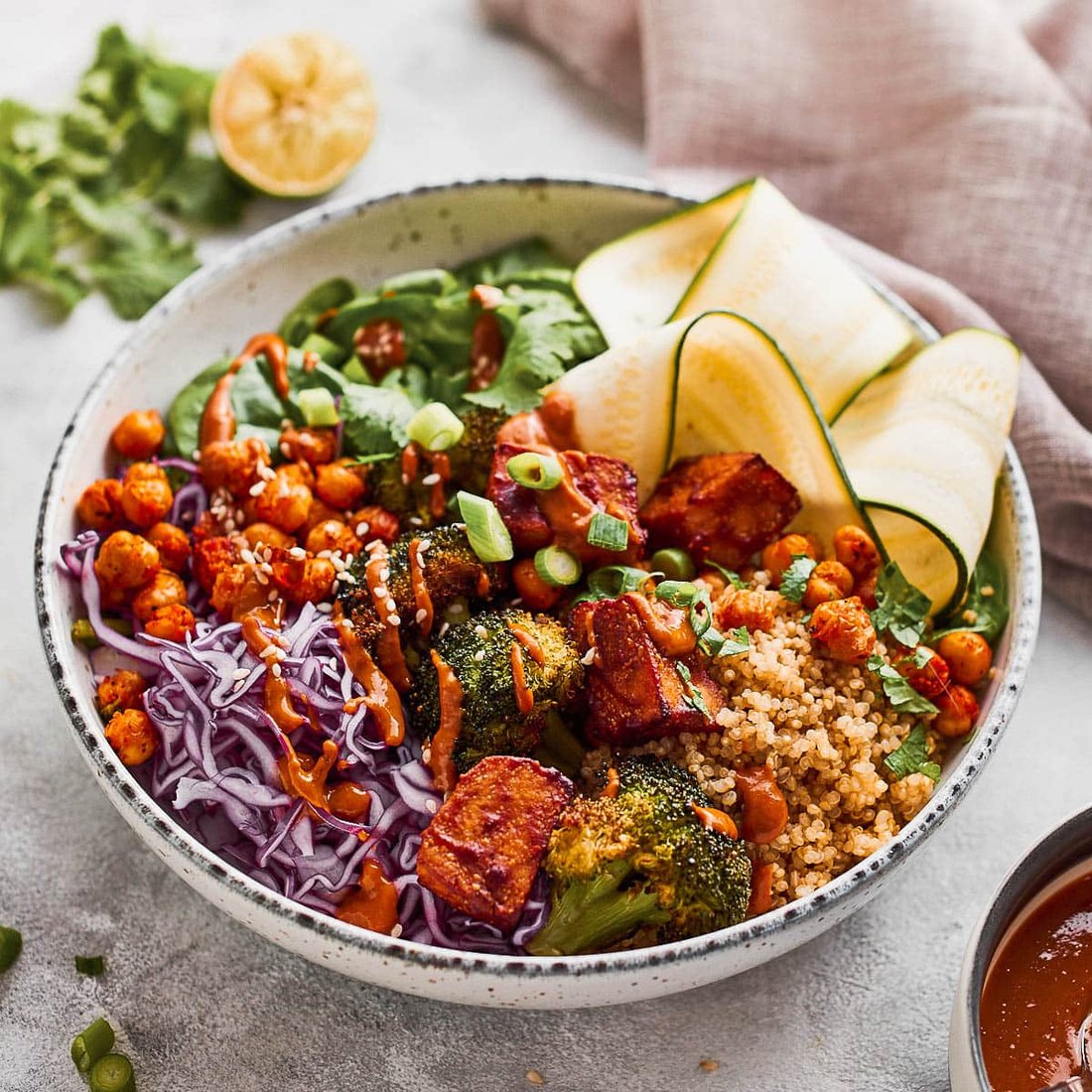
Made from vital wheat gluten, seitan delivers a whopping 25g protein per 100g with minimal fat or carbs—ideal for cutting phases. Though not gluten-free, it’s perfect for texture-craving vegans mimicking steak or chicken.
Homemade seitan with nutritional yeast boosts B vitamins. Use in sandwiches, stews, or pepperoni slices. A caution: Balance with rice or beans for lysine completeness.
Legumes: Chickpeas, Black Beans, and Edamame
Chickpeas boast 15g protein per cup, black beans 15g, and edamame 17g. These are leucine-rich and pair perfectly with grains. Edamame’s isoflavones may enhance testosterone, per a Journal of Nutrition study.
Hummus from chickpeas, bean burritos, or edamame snacks fuel gains. Roast chickpeas for a 20g protein handful.
Quinoa and Pseudograins: Complete Protein Grains
Quinoa, a pseudocereal, gives 14g protein per cooked cup with all essentials. It’s magnesium-packed for muscle function. Buckwheat and amaranth follow suit at 13-15g per cup.
Quinoa bowls with veggies and tahini hit 30g+ protein. Use as rice substitute for easy swaps.
Nuts, Seeds, and Nut Butters: Dense and Portable
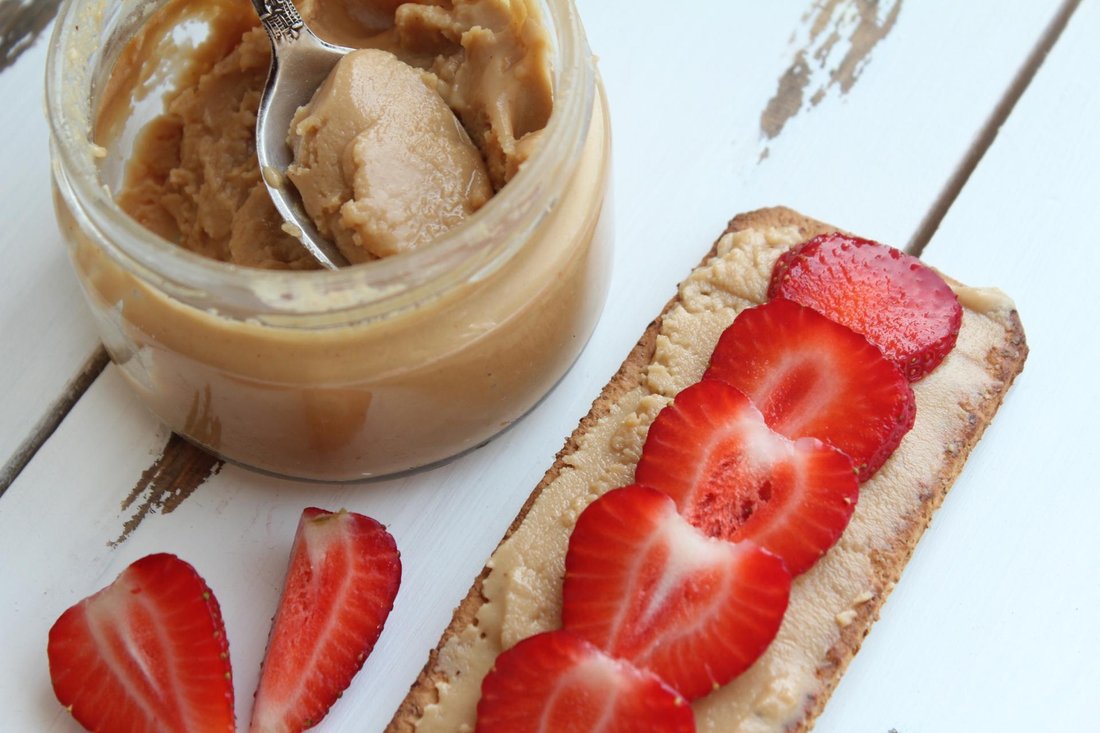
Hemp seeds lead with 10g protein per 3 tablespoons (complete profile). Pumpkin seeds (12g/oz), chia (5g/tbsp), and almonds (6g/oz) add healthy fats. Peanut butter delivers 8g per 2 tbsp.
Sprinkle on oats, blend into shakes, or eat trail mix. Hemp milkshakes post-gym: 20g protein bliss.
Best Vegan Protein Powders for Supplementation
Whole foods first, but powders bridge gaps. Pea protein (25g/scoop, high in BCAAs) builds muscle like whey, per Journal of the International Society of Sports Nutrition (2019). Rice-pea blends ensure completeness.
Others: Hemp (15g, omega-rich), pumpkin seed, or brown rice. Mix flavors for pancakes or lattes. Choose organic, third-party tested for purity.
Sample High-Protein Vegan Meal Plan for Muscle Gain
To hit 150g protein (for a 75kg lifter):
- Breakfast: Tofu scramble with spinach, quinoa (30g)
- Snack: Edamame and hemp seeds (20g)
- Lunch: Lentil-chickpea salad with tahini (35g)
- Post-Workout: Pea protein shake with banana, oats (30g)
- Dinner: Tempeh stir-fry with seitan, broccoli (35g)
Total: ~150g, 2500+ calories. Adjust via apps like Cronometer.
Tips for Maximizing Vegan Protein Absorption
Combine sources (e.g., beans + rice) for PDCAAS scores near 1.0. Time intake: 20-40g every 3-4 hours. Include vitamin C (bell peppers) for iron uptake. Track progress with DEXA scans or tape measures—gains await!
Common Myths Debunked
Myth: Vegans can’t build muscle. Reality: Vegan bodybuilders like Torre Washington and Nimai Delgado dominate stages. Myth: Plant protein is inferior. Reality: Total intake and training matter more, per meta-analyses.
Conclusion: Build Muscle the Vegan Way
The best protein sources for vegans—lentils, soy, seitan, legumes, grains, seeds, and powders—equip you for serious muscle. Consistency in diet, progressive overload in training, and recovery yield results. Consult a dietitian for personalization. Start today; your strongest self is plant-powered. (Word count: 1218)