
7 Signs of Burnout that High Achievers Often Ignore Until It Is Too Late
High achievers are wired for success. They thrive on challenges, push boundaries, and often measure their worth by accomplishments. However, this relentless drive can lead to burnout—a state of emotional, physical, and mental exhaustion caused by prolonged stress. Burnout doesn’t announce itself with flashing lights; it creeps in subtly, especially for those who dismiss early warnings as mere hurdles. Recognizing the signs of burnout early is crucial, yet high achievers frequently ignore them until performance plummets and health suffers irreparably.
In this article, we’ll explore 7 signs of burnout that high achievers often ignore. These red flags are particularly sneaky because they masquerade as temporary setbacks or even badges of honor in high-pressure environments. By understanding them, you can intervene before burnout derails your career and well-being. Whether you’re a CEO, entrepreneur, or top performer, these insights are tailored for you.
1. Chronic Fatigue That Rest Doesn’t Cure
Feature Video
The hallmark of burnout is unrelenting exhaustion that sleep or weekends off can’t fix. High achievers might pride themselves on powering through “tiredness,” viewing it as a sign of dedication. You wake up drained, despite eight hours of sleep, and coffee barely dents the fog. This isn’t normal fatigue from a busy week; it’s your body’s alarm signaling adrenal overload.
Why do high achievers ignore it? They equate rest with laziness. Studies from the World Health Organization classify burnout as an occupational phenomenon, linking it to chronic workplace stress. For go-getters, pushing past fatigue feels productive—until it leads to errors, like that crucial presentation you flubbed. Real-life example: A tech executive ignored his constant yawns, only collapsing during a board meeting. Monitor your energy levels daily; if they dip below baseline persistently, it’s time to reassess your workload. Incorporating micro-breaks and quality sleep hygiene can reverse this early.
2. Diminishing Returns on Your Efforts

High achievers live for results, but burnout flips the script: you work harder yet achieve less. Tasks that once took hours now consume days, and output quality slips. Emails pile up, deadlines whoosh by, and that promotion feels further away. This sign of burnout in high achievers is insidious because it erodes confidence subtly.
Psychologically, it’s tied to cognitive overload—your brain’s prefrontal cortex fatigues, impairing focus and decision-making. High performers dismiss it as “an off week,” doubling down instead of dialing back. Data from Gallup shows burned-out employees are 2.6 times more likely to seek new jobs. Spot it by tracking productivity metrics; if your efficiency drops 20% without explanation, burnout lurks. Counter it with prioritization techniques like Eisenhower matrices to reclaim control.
3. Emotional Detachment and Cynicism

Once passionate about your work, you now feel apathetic or cynical. Colleagues’ enthusiasm annoys you, and meetings drag like molasses. High achievers ignore this burnout symptom because vulnerability feels like failure—they mask it with sarcasm or isolation.
This detachment stems from emotional exhaustion, a core burnout dimension per Maslach Burnout Inventory. For ambitious types, it’s a silent killer of innovation; creativity thrives on engagement. A study in the Journal of Occupational Health Psychology found cynics 63% more prone to cardiovascular issues. Example: A sales director who once crushed quotas began dreading client calls, tanking his team. Reconnect by scheduling passion projects or seeking mentorship to reignite your fire.
4. Sleep Disruptions and Insomnia
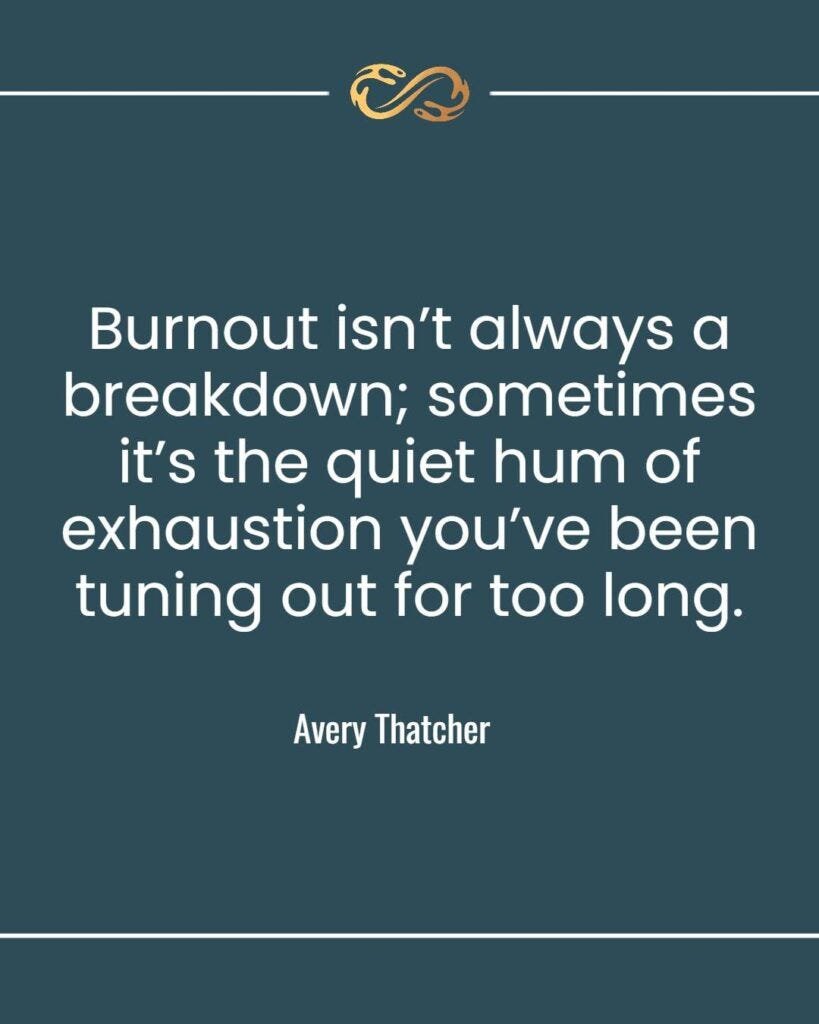
Despite exhaustion, sleep evades you. Racing thoughts at 3 a.m., tossing, or waking unrefreshed—these signs of burnout plague high achievers who glorify “hustle culture.” You convince yourself it’s excitement for tomorrow’s wins, not stress.
Harvard research links poor sleep to 45% higher burnout risk. High achievers ignore it, popping melatonin or worse, stimulants, perpetuating the cycle. Consequences? Impaired immunity and memory. Track sleep with apps; under 7 hours nightly signals trouble. Establish wind-down rituals: no screens post-9 PM, journaling worries. A finance whiz reclaimed his edge by prioritizing sleep, boosting output 30%.
5. Neglecting Relationships and Self-Care

Personal life fades: skipped family dinners, ignored workouts, forgotten hobbies. High achievers rationalize it as “necessary sacrifices” for success, blinding them to this burnout red flag. Isolation amplifies stress, creating a vicious loop.
Social support buffers burnout, per American Psychological Association findings. Yet, perfectionists prioritize tasks over people. Physical self-care lapses too—no gym, junk food binges. A marketing VP’s marriage nearly crumbled before she noticed. Audit your calendar: if non-work time is zilch, reschedule. Nurture bonds with weekly check-ins; self-care isn’t selfish—it’s strategic for sustained achievement.
6. Heightened Irritability and Short Fuse

Small annoyances explode into rage. Criticism stings deeply, and patience vanishes. High achievers brush it off as “high standards,” but this irritability signals frayed nerves from burnout.
Cortisol floods impair emotional regulation, per neuroscience. Mayo Clinic notes it’s prevalent in 70% of burnout cases. Leaders ignore it, fearing it undermines authority. Example: An entrepreneur snapped at his team, sparking resignations. Practice mindfulness—10-minute meditations reduce reactivity 40%, says research. Journal triggers to build awareness; therapy accelerates recovery.
7. Physical Symptoms You Attribute to Aging

Headaches, muscle aches, gut issues, frequent colds—these somatic complaints scream burnout, yet high achievers blame age or “stress.” Ignoring them risks chronic illness like hypertension.
The APA reports physical symptoms in 77% of burned-out professionals. High performers push through, mistaking resilience for invincibility. A surgeon ignored migraines until emergency surgery sidelined her. Annual check-ups and symptom logs are essential. Integrate movement, nutrition; yoga cuts inflammation 20%.
Recognizing these 7 signs of burnout that high achievers often ignore is your first step to prevention. Burnout isn’t a badge—it’s a breaker. Implement boundaries, delegate, seek professional help if needed. Tools like WHO’s burnout guidelines or apps (Headspace) empower recovery. High achievers rebound stronger; don’t wait until it’s too late. Prioritize your health today for tomorrow’s triumphs.
(Word count: 1,248)