
Why Your House Always Feels Dusty and How to Achieve a Dust-Free Home
Does your home constantly feel like a dust magnet, no matter how often you clean? You’re not alone. Dust accumulation is a common household issue that affects millions of homeowners worldwide. It settles on surfaces, clogs air vents, and even triggers allergies, making your living space feel less than pristine. In this comprehensive guide, we’ll explore why your house always feels dusty and provide actionable strategies to help you achieve a dust-free home. By understanding the sources of dust and implementing proven dust control methods, you can transform your living environment into a cleaner, healthier sanctuary.
Understanding Dust: What It Is and Where It Comes From
Feature Video
Dust isn’t just annoying particles; it’s a complex mixture of dead skin cells, pollen, pet dander, mold spores, bacteria, microscopic fibers from carpets and upholstery, and outdoor pollutants that sneak indoors. On average, indoor dust contains up to 1.2 trillion particles per cubic meter, according to environmental studies. But why does your house always feel dusty? The primary culprit is poor air circulation combined with everyday activities that generate or redistribute these particles.
Outdoor sources contribute significantly. Wind-blown soil, construction debris, and vehicle exhaust enter through open windows, doors, and cracks. Indoor sources are equally problematic: shedding skin from humans and pets accounts for 70-80% of household dust. Fabrics like curtains, rugs, and bedding trap and release dust with every movement. Even modern homes aren’t immune—high-efficiency HVAC systems can recirculate dust if filters aren’t changed regularly.
Top Reasons Your Home Feels Perpetually Dusty

Identifying the root causes is the first step toward a dust-free home. Here are the most common reasons:
1. Inadequate Ventilation and Air Filtration
Homes with sealed windows for energy efficiency often trap dust indoors. Stale air allows particles to settle and build up. Dirty HVAC filters exacerbate this by blowing dust throughout the house.
2. Clutter and Poor Housekeeping Habits
Piles of papers, unused furniture, and knick-knacks create dust traps. Infrequent vacuuming or dusting with feather dusters (which merely spread particles) worsens the issue.
3. Pets and Fabrics
Pet hair carries dander and allergens. Plush carpets, heavy drapes, and upholstered furniture harbor dust mites, which thrive in humid environments and produce allergenic waste.
4. High Traffic Areas and Footwear
Tracking in dirt from shoes introduces outdoor dust. Open floor plans allow dust to travel freely from room to room.
5. Humidity Levels
Excess moisture (above 50%) promotes dust mite proliferation and mold growth, while very dry air causes skin to flake more, generating extra dust.
These factors compound over time, creating a cycle where dust begets more dust. A study by the EPA found that homes with poor maintenance have 2-3 times more airborne dust than well-maintained ones.
The Hidden Health Risks of Excessive Dust
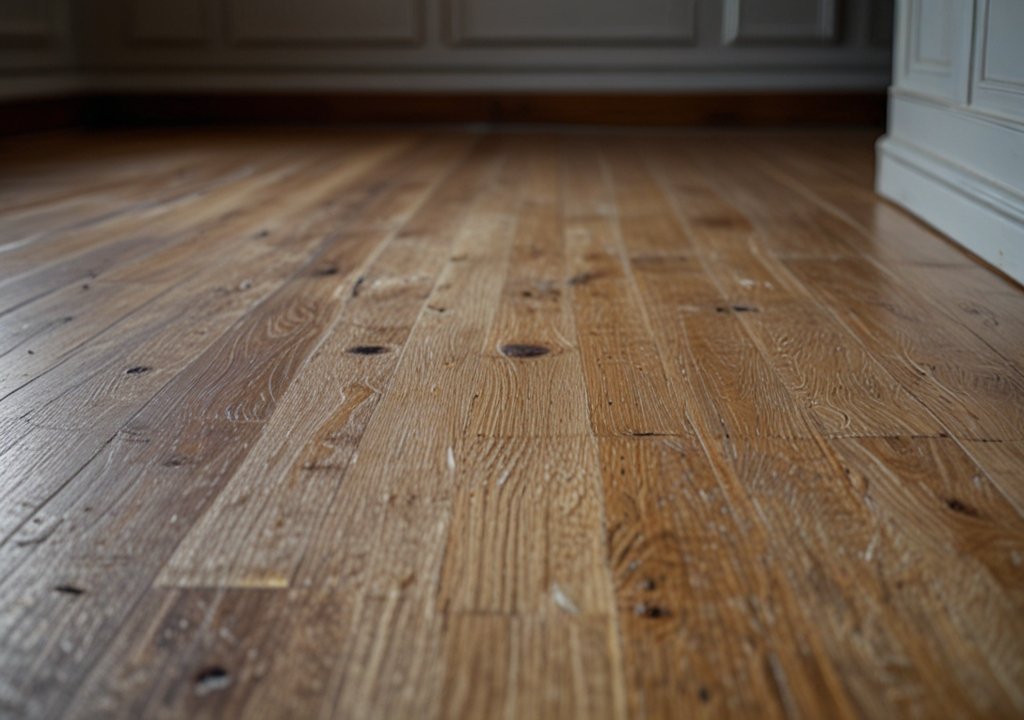
Beyond aesthetics, chronic dust exposure poses serious health risks. Allergens in dust trigger asthma, rhinitis, and eczema. Fine particles (PM2.5) can penetrate lungs, leading to respiratory issues and cardiovascular problems. Children and the elderly are particularly vulnerable. Achieving a dust-free home isn’t just about cleanliness—it’s about safeguarding your family’s health. Reducing dust by 50% can significantly alleviate allergy symptoms, per allergy research foundations.
Step-by-Step Guide to Achieving a Dust-Free Home
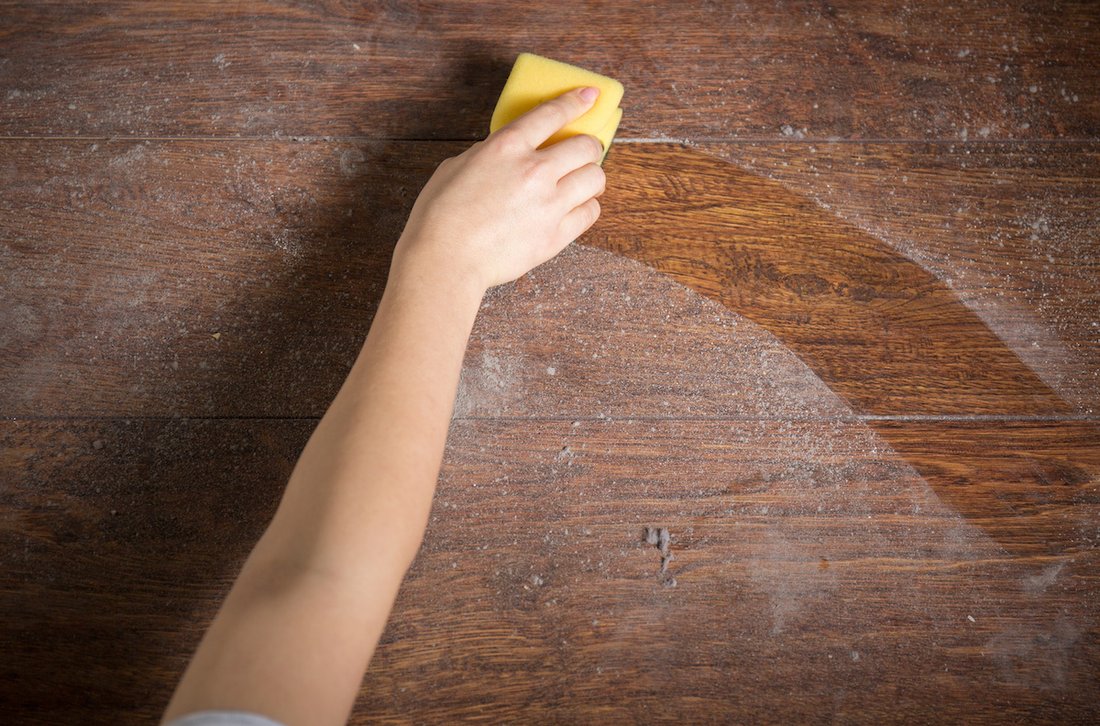
Eliminating dust requires a multi-pronged approach: deep cleaning, prevention, and maintenance. Follow these steps for lasting results.
1. Conduct a Thorough Deep Clean

Start with a top-to-bottom declutter. Remove unnecessary items to minimize surfaces. Wash all bedding, curtains, and throw pillows in hot water (at least 130°F) to kill dust mites. Vacuum upholstery and carpets using a HEPA-filter vacuum, which captures 99.97% of particles as small as 0.3 microns. Damp mop hard floors instead of dry sweeping to avoid redistributing dust. Clean ceiling fans, light fixtures, and vents with a microfiber cloth and mild detergent.
2. Upgrade Your Air Quality Systems

Install high-quality HVAC filters (MERV 13 or higher) and change them every 1-3 months. Add a whole-house air purifier or portable HEPA units in high-traffic rooms. These devices can reduce airborne dust by up to 90%. Use exhaust fans in kitchens and bathrooms to expel moisture-laden air. Consider a dehumidifier to maintain 30-50% humidity levels.
3. Implement Daily and Weekly Prevention Habits

Remove shoes at the door and use doormats. Dust weekly with a damp microfiber cloth, working from top to bottom. Vacuum 2-3 times per week, including under furniture. Wash pet bedding frequently and groom pets outdoors. Seal cracks around windows and doors with weatherstripping to block outdoor dust.
4. Choose Dust-Resistant Materials and Furnishings

Opt for hardwood, tile, or vinyl flooring over carpet. Select leather or vinyl upholstery instead of fabric. Use washable curtains or blinds. Minimalist decor with smooth surfaces sheds dust easily.
Best Products and Tools for Dust Control

To supercharge your efforts, invest in these SEO-recommended items:
- HEPA Vacuum Cleaners: Dyson or Shark models with strong suction.
- Air Purifiers: Levoit Core 400S or Honeywell HPA300 for large rooms.
- Microfiber Cloths: E-Cloth or Swiffer for static-free dusting.
- Electrostatic Dusting Tools: OXO Good Grips for hard-to-reach areas.
- Humidity Monitors: Govee devices to track and control moisture.
These tools, combined with routine use, can cut dust levels dramatically.
Long-Term Maintenance for a Permanently Dust-Free Home
Sustainability is key. Schedule quarterly deep cleans and annual HVAC servicing. Monitor air quality with inexpensive sensors. Educate household members on habits like no-shoe policies. For severe cases, hire professional duct cleaning services, which remove years of buildup.
In humid climates, combat mold with silica gel packs in closets. In dry areas, use humidifiers sparingly. Track progress by placing white cloths on surfaces—if they stay clean longer, your strategies are working.
Common Mistakes to Avoid When Fighting Dust
Don’t use feather dusters or compressed air cans, as they aerosolize particles. Avoid overusing chemical cleaners that leave residues attracting more dust. Neglecting high areas like crown molding leads to “dust rain.” Finally, opening windows during high-pollen seasons invites trouble—use fans instead.
Conclusion: Breathe Easier in Your Dust-Free Haven
A dust-free home is achievable with consistent effort and smart strategies. By tackling why your house always feels dusty—from poor filtration to clutter—you’ll enjoy fresher air, fewer allergies, and a more inviting space. Start with one step today, like swapping your vacuum filter, and build from there. Your home deserves it, and so does your health. With these tips, you’ll wonder how you ever lived with all that dust.
(Word count: 1,248)