
The Best Time of Day to Exercise for Maximum Fat Loss vs Muscle Gain
Introduction to Exercise Timing for Fat Loss and Muscle Gain
Feature Video
When it comes to achieving your fitness goals, timing can be everything. The best time of day to exercise for maximum fat loss versus muscle gain isn’t a one-size-fits-all answer—it depends on your body’s circadian rhythms, hormonal fluctuations, and personal schedule. Research shows that exercising at specific times can optimize fat burning, enhance muscle hypertrophy, or boost overall performance. In this comprehensive guide, we’ll explore the science-backed insights on morning versus evening workouts, helping you decide the ideal window for shedding pounds or building lean mass. Whether you’re aiming for a leaner physique through fat loss or packing on muscle for strength gains, understanding chronobiology—the study of biological rhythms—can supercharge your results.
Keywords like “best time to exercise for fat loss” and “optimal workout time for muscle gain” dominate searches because people want evidence-based advice. Studies from the Journal of Physiology and the International Journal of Sports Nutrition reveal that cortisol, testosterone, and growth hormone levels peak at different times, influencing outcomes. Let’s dive into the details to help you align your gym sessions with your goals.
The Science of Circadian Rhythms and Exercise Performance
Your body’s internal clock regulates metabolism, hormone release, and energy levels throughout the day. Core body temperature rises in the afternoon, peaking between 4-6 PM, which correlates with better muscle strength and endurance. For fat loss, lower glycogen stores in the morning can shift your body toward fat oxidation. A 2019 study in the Journal of Obesity found that morning exercisers lost more fat than evening ones, while a 2021 meta-analysis in Sports Medicine highlighted evening workouts for superior muscle adaptations.
Hormonally, testosterone peaks in the morning (ideal for muscle protein synthesis), while insulin sensitivity is higher post-meal in the evening, aiding recovery. Adipose tissue is more responsive to catecholamines (fat-burning hormones) before breakfast. These factors make timing crucial: morning for fat loss efficiency, afternoon/evening for muscle gain power.
Best Time of Day to Exercise for Maximum Fat Loss

For those prioritizing fat loss, the consensus points to early morning workouts, ideally between 6-8 AM, on an empty stomach. Fasted cardio taps into fat stores since overnight fasting depletes liver glycogen, forcing your body to burn adipose tissue for fuel. A landmark study from the University of Northumbria showed fasted morning exercisers oxidized 20% more fat than fed-state afternoon trainers.
Morning exercise also elevates metabolism via excess post-exercise oxygen consumption (EPOC), keeping calorie burn high all day. Cortisol is naturally high upon waking, enhancing lipolysis (fat breakdown). Belgian researchers in 2012 confirmed women exercising before breakfast lost significantly more body fat over 12 weeks compared to later sessions. However, avoid overdoing intensity to prevent muscle catabolism—opt for steady-state cardio or moderate HIIT.
Practical perks include consistency (fewer excuses) and appetite suppression. A 2023 review in Nutrients linked morning activity to better adherence and reduced evening snacking, amplifying fat loss. If mornings don’t suit, pre-workout black coffee can mimic fasted benefits by mobilizing fats.
Optimal Workout Timing for Muscle Gain

Conversely, for maximum muscle gain (hypertrophy), late afternoon or early evening—around 4-7 PM—is superior. Body temperature is at its peak, improving joint mobility, power output, and neuromuscular coordination. A study in the European Journal of Applied Physiology found strength gains 5-10% higher in PM sessions due to warmer muscles and elevated testosterone-to-cortisol ratios.
Glycogen stores are replenished after lunch, fueling heavier lifts and higher reps. Growth hormone surges post-sunset, aiding recovery overnight. Research from Skidmore College showed evening resistance training increased lean mass by 3.5% more than morning over 10 weeks. Evening workouts align with peak anaerobic performance, perfect for bodybuilding splits like chest or legs day.
Men benefit most here, as testosterone dips less dramatically later. Women see similar trends but with slight morning edges for power. Fuel with carbs/protein 1-2 hours pre-workout for optimal pumps and progressive overload.
Morning Workouts: Pros, Cons, and Fat Loss Edge

Morning exercise shines for fat loss with pros like boosted mood via endorphins, regulated circadian rhythm, and fat-adapted energy use. A Harvard study linked 7 AM sessions to 25% better weight loss adherence. Cons include stiffness (warm up thoroughly) and lower strength (up to 10% less per NSCA data), making it suboptimal for heavy lifting.
For hybrid goals, morning fasted cardio followed by evening weights balances both. Track via apps like MyFitnessPal to monitor macros aligning with timing.
Evening Workouts: Pros, Cons, and Muscle Building Supremacy
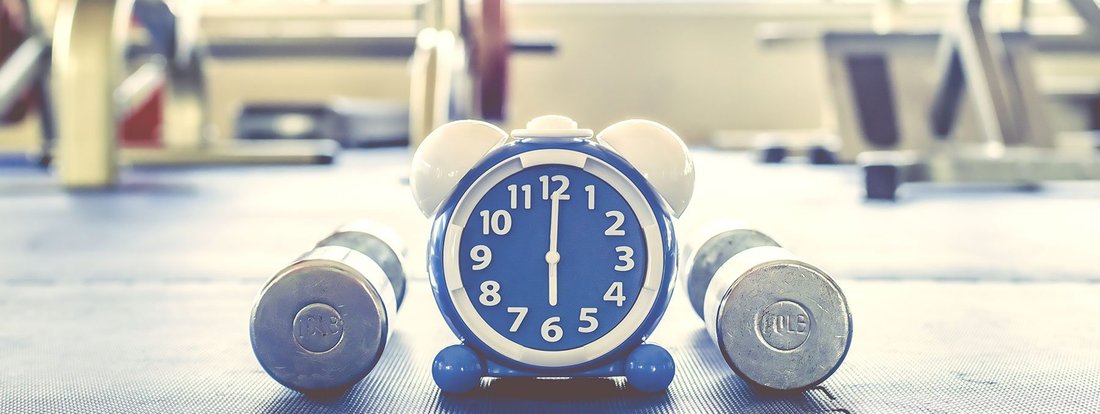
Evening sessions excel for muscle gain with enhanced force production—pull-ups, squats hit PRs easier. Flexibility peaks, reducing injury risk. A 2022 Chronobiology International study noted 7 PM workouts improved sleep quality via timely adenosine buildup.
Drawbacks: gym crowds, post-work stress elevating cortisol (counter it with mindfulness), and disrupted sleep if too late (finish by 8 PM). Late caffeine avoidance is key for recovery.
Key Factors Influencing Your Best Exercise Time
Individual chronotypes matter—morning larks thrive AM, night owls PM. Shift workers adjust via light exposure. Age, sex, and genetics play roles; older adults favor mornings for joint warmth. Nutrition timing: fast for fat loss, fed for gains. Sleep quality trumps all—7-9 hours enables hormonal peaks.
Hydration, stress, and menstrual cycles (for women) shift optima. Experiment with a 4-week trial per time slot, tracking body comp via DEXA or calipers.
Practical Tips for Timing Your Workouts
1. Fat loss: 45-60 min fasted cardio, 6-9 AM. Include LISS or 20-min HIIT.
2. Muscle gain: 60-90 min weights, 4-7 PM. Progressive overload weekly.
3. Hybrid: AM cardio, PM strength.
4. Supplements: Caffeine AM for fat mob, creatine PM for power.
5. Recovery: Foam roll evenings, prioritize protein post-workout.
Listen to your body—biofeedback via HRV apps guides adjustments.
Combine with diet: 500-calorie deficit for fat loss, surplus for bulking. Consistency beats perfect timing.
Common Myths About Exercise Timing Debunked
Myth: Morning workouts burn more calories overall—no, EPOC evens it, but fat-specific yes.
Myth: Evening kills gains via cortisol—negligible if managed.
Myth: No best time—science disagrees for specifics.
Conclusion: Tailor Timing to Your Goals
The best time to exercise for maximum fat loss is morning (fasted, 6-8 AM) for superior oxidation and metabolic boost. For muscle gain, aim for afternoon/evening (4-7 PM) leveraging peak performance. Ultimately, the most effective time is when you can be consistent and intense. Consult a trainer or doctor for personalization, especially with conditions like diabetes.
Integrate these insights into your routine for transformative results. Start tracking today—your leaner, stronger self awaits. (Word count: 1,248)