
7 Natural Ways to Lower High Blood Pressure Without Immediate Medication
Understanding High Blood Pressure and Natural Management
Feature Video
High blood pressure, or hypertension, affects millions worldwide, often dubbed the “silent killer” due to its lack of symptoms. It strains the heart, arteries, and organs, increasing risks of heart disease, stroke, and kidney failure. While medications are common, many seek natural ways to lower high blood pressure without immediate medication. Lifestyle changes can significantly reduce readings, sometimes by 5-20 mmHg, according to the American Heart Association. Always consult a doctor before changes, especially if diagnosed. This article explores seven evidence-based natural strategies for managing hypertension naturally, optimized for long-term heart health.
1. Embrace Regular Physical Activity
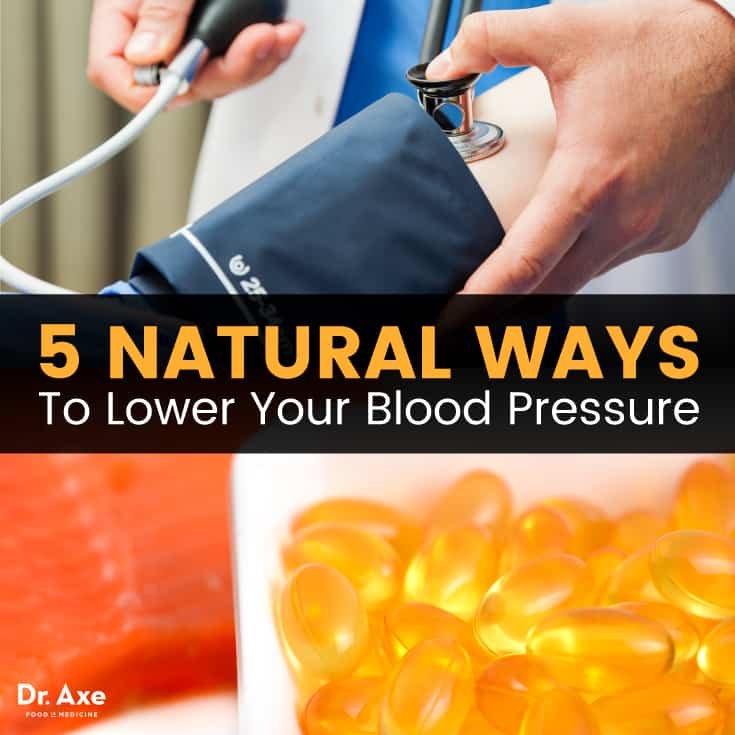
Exercise is one of the most effective natural ways to lower high blood pressure. Aerobic activities like brisk walking, cycling, or swimming strengthen the heart, improving blood flow efficiency. Aim for at least 150 minutes of moderate-intensity exercise weekly, as recommended by the CDC. Studies, including those from the Journal of the American College of Cardiology, show regular exercise can drop systolic pressure by 4-9 mmHg.
Strength training twice weekly complements cardio by building muscle, aiding weight control. Start slow if sedentary—try 30-minute walks daily. Consistency matters; even short bursts help. Yoga and tai chi combine movement with relaxation, doubling benefits for hypertension. Track progress with a home monitor; many notice improvements in weeks. Pairing exercise with other habits amplifies results, making it a cornerstone for natural blood pressure reduction.
2. Adopt a DASH Diet for Optimal Nutrition
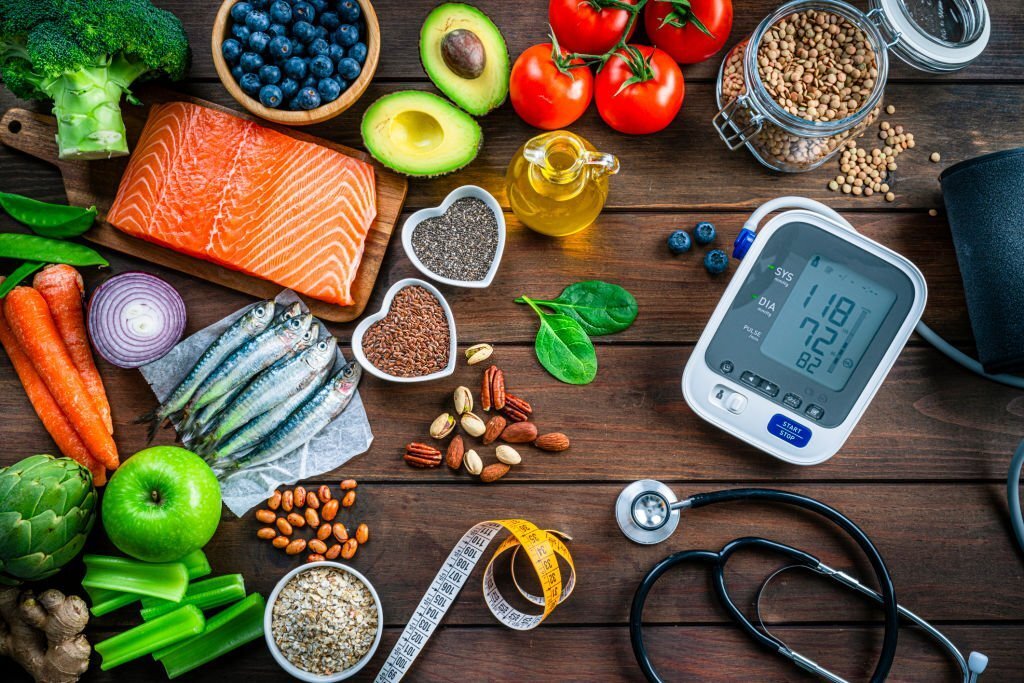
The Dietary Approaches to Stop Hypertension (DASH) diet is a powerhouse among natural remedies for high blood pressure. Rich in fruits, vegetables, whole grains, lean proteins, and low-fat dairy, it emphasizes nutrient-dense foods. Research from the National Institutes of Health shows DASH lowers systolic pressure by 6-11 mmHg in weeks.
Key components include high potassium, magnesium, calcium, and fiber intake. Swap processed foods for salads, berries, spinach, and oats. Limit sweets and red meats. A sample day: oatmeal breakfast, veggie stir-fry lunch, grilled salmon dinner. Hydrate with water over sodas. This balanced approach not only combats hypertension but boosts overall wellness, reducing cholesterol and inflammation too.
3. Slash Sodium Intake Strategically
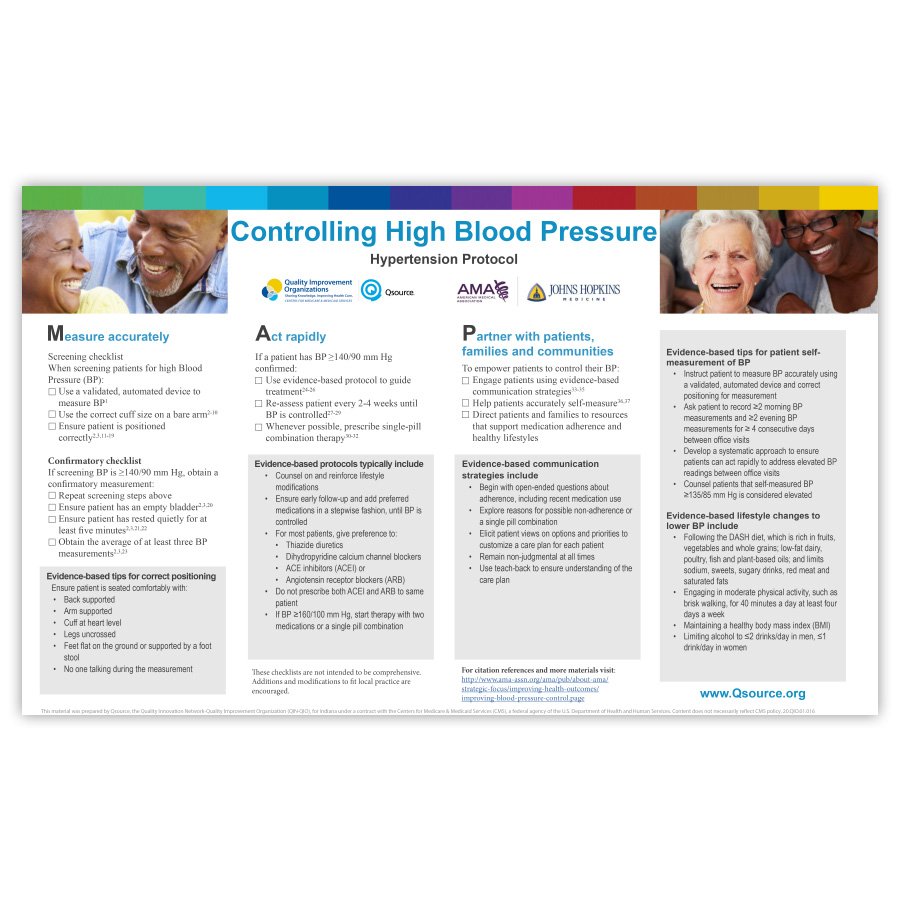
Excess sodium causes fluid retention, raising blood pressure. Cutting it is a simple yet potent natural way to lower high blood pressure without medication. The FDA suggests under 2,300 mg daily, ideally 1,500 mg for hypertensives. Processed foods contribute 75%—read labels, choose “low-sodium” options.
Use herbs, spices, lemon, or garlic for flavor. A Harvard study found a 1,000 mg reduction drops pressure by 5-6 mmHg. Track intake via apps. Home-cooked meals control sodium best. Potassium-rich foods like bananas counterbalance sodium naturally. Results appear in days; combine with potassium boosts for synergy.
4. Prioritize Weight Management
Losing even 5-10% body weight dramatically lowers hypertension risk. Excess fat, especially abdominal, releases hormones spiking blood pressure. Mayo Clinic data indicates 1 kg loss reduces systolic by 1 mmHg.
Combine calorie control with exercise. Focus on whole foods, portion sizes. Intermittent fasting or mindful eating aids some. Track BMI; aim for 18.5-24.9. Sustainable habits over crash diets prevent rebound. Benefits extend to better sleep and energy, reinforcing natural blood pressure control.
5. Incorporate Potassium-Rich Foods
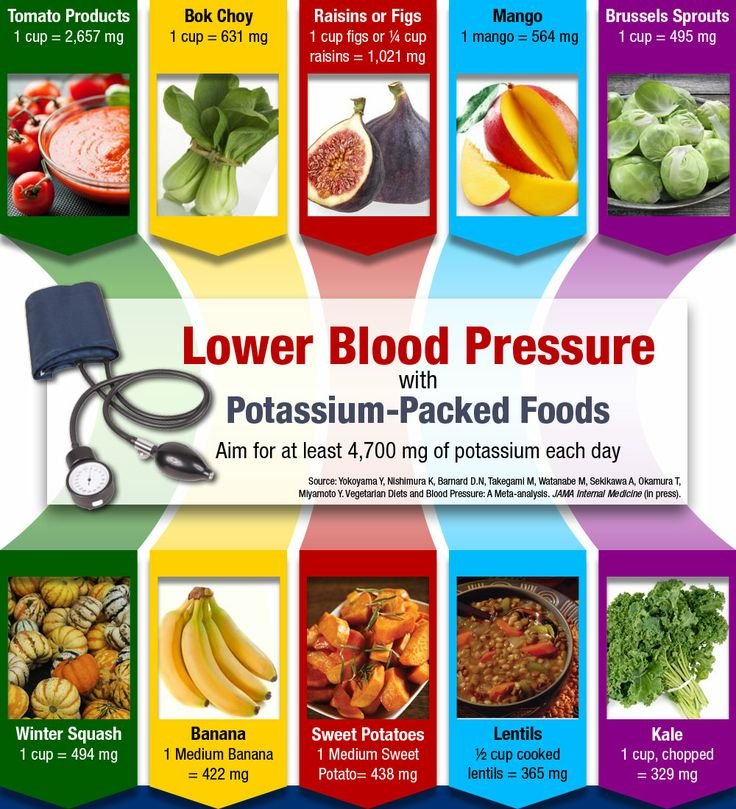
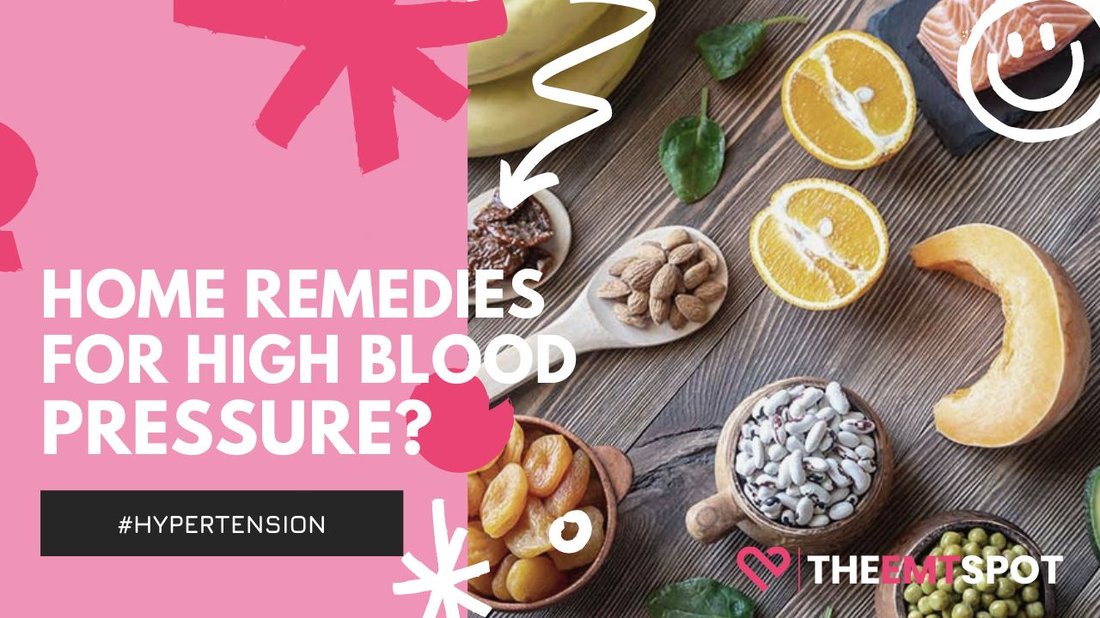
Potassium balances sodium, relaxing vessel walls to ease blood flow. Low intake worsens hypertension. Boost via foods like avocados, sweet potatoes, spinach, and yogurt—4,700 mg daily target per NIH.
A meta-analysis in Hypertension journal links higher potassium to 4-5 mmHg drops. Supplements risk excess; prioritize diet. Recipes: smoothies with bananas and kale, baked potatoes with skins. Those with kidney issues should consult doctors. This natural remedy synergizes with low-sodium efforts.
6. Practice Stress-Reduction Techniques
Chronic stress elevates cortisol, constricting arteries. Mindfulness lowers it naturally. Techniques like deep breathing, meditation, or progressive muscle relaxation activate parasympathetic responses.
Johns Hopkins studies show transcendental meditation reduces systolic by 4-5 mmHg. Daily 10-15 minutes via apps like Headspace suffice. Hobbies, nature walks, or journaling help. Biofeedback devices train control. Sleep hygiene ties in—7-9 hours nightly prevents spikes. Consistent practice yields lasting calm and lower readings.
7. Limit Alcohol and Eliminate Smoking
Alcohol in excess raises pressure; moderate to one drink daily for women, two for men. Quitting smoking instantly improves vessel health—nicotine constricts them.
CDC reports heavy drinking adds 4 mmHg; moderation reverses it. Smoker’s risk doubles; cessation drops it in a year. Support: patches, counseling. Herbal teas replace drinks. These habits, often overlooked, provide quick wins in natural hypertension management.
Conclusion: Empower Your Heart Health Naturally
Implementing these seven natural ways to lower high blood pressure—exercise, DASH diet, sodium cut, weight loss, potassium boost, stress relief, and avoiding alcohol/smoking—can transform health without immediate meds. Combined, they rival drugs’ efficacy. Monitor regularly, consult professionals. SEO keywords like “lower blood pressure naturally” guide searches; share for awareness. Sustainable changes yield lifelong benefits—start today for a healthier tomorrow. (Word count: 1,248)