
How to Teach Yourself Coding from Scratch Without a Computer Science Degree
In today’s digital age, coding is one of the most valuable skills you can acquire. Whether you’re aiming to switch careers, boost your resume, or simply build cool apps as a hobby, learning to code doesn’t require a computer science degree. Self-taught programmers are thriving in tech giants like Google, Microsoft, and startups worldwide. This comprehensive guide will walk you through how to teach yourself coding from scratch, step by step. No prior experience needed—just dedication and the right resources. By the end, you’ll have a clear roadmap to becoming a proficient coder.
Why You Don’t Need a Computer Science Degree to Learn Coding
Feature Video
Many believe coding is reserved for those with formal education, but that’s a myth. The tech industry values skills over credentials. According to Stack Overflow’s 2023 Developer Survey, over 40% of professional developers are self-taught. Companies like Apple and IBM have dropped degree requirements for many roles, focusing instead on portfolios and practical abilities.
Self-learning coding builds real-world problem-solving skills. You’ll learn at your pace, focusing on in-demand technologies. Plus, it’s cost-effective—no tuition fees. Challenges like debugging code or optimizing algorithms teach resilience, mirroring professional environments. Start with motivation: define your “why.” Want to automate tasks? Develop games? Freelance? This clarity fuels your journey to becoming a self-taught coder.
Choose the Right Programming Language for Beginners
Your first decision: pick a language. Python is ideal for beginners due to its simple, readable syntax—like English. It’s versatile for web development, data science, automation, and AI. Alternatives include JavaScript for web interactivity or HTML/CSS for front-end basics, but Python offers the smoothest entry.
Why Python? It has a gentle learning curve. A “Hello, World!” program is just one line: print("Hello, World!"). Libraries like Pandas and Django extend its power. Research job markets—Python tops lists on Indeed and LinkedIn. Avoid overwhelming yourself with multiple languages initially; master one before branching out. Resources like Python.org’s tutorial confirm its beginner-friendliness.
Set Up Your Coding Environment
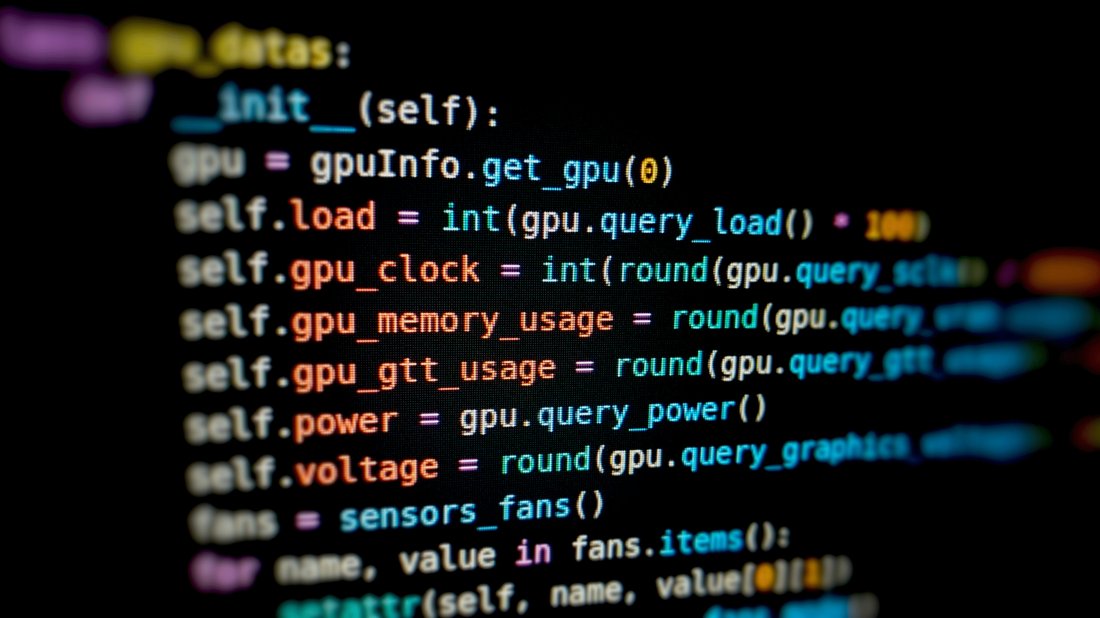
Before diving in, equip yourself. Download Python from python.org. Use a code editor like Visual Studio Code (free from Microsoft)—it’s lightweight, extensible with themes and extensions for linting, debugging, and Git integration.
Install Anaconda for data-focused paths, bundling Jupyter Notebooks for interactive coding. For web dev, add Node.js if choosing JavaScript. Test your setup: run a simple script in the terminal. Free cloud options like Replit or Google Colab eliminate local installs, perfect for laptops with low specs. This setup takes under 30 minutes and launches your self-taught coding adventure.
Top Free Resources to Teach Yourself Coding
Abundant free platforms make learning accessible. freeCodeCamp.org offers interactive curricula from HTML to full-stack development, with certifications. Codecademy’s Python course is hands-on, gamified for retention.
The Odin Project provides project-based web dev paths. For Python, Automate the Boring Stuff with Python (free online book by Al Sweigart) teaches practical automation. YouTube channels like Corey Schafer and freeCodeCamp’s 12-hour courses deliver structured video lessons. Official docs (e.g., MDN for web tech) are goldmines.
MOOCs like Coursera’s “Python for Everybody” (University of Michigan) or edX’s CS50 (Harvard) offer university-quality content gratis. Aim for 10-20 hours weekly. Track progress with notebooks. These resources have helped millions become self-taught programmers without degrees.
Create a Structured Learning Plan
Treat learning like a job. Week 1-2: Basics—variables, loops, functions. Week 3-4: Data structures (lists, dictionaries). Month 2: Object-oriented programming, file handling.
Daily routine: 1 hour theory, 2 hours practice. Use Pomodoro (25-min sessions). Set milestones: build a calculator by week 4. Apps like Habitica gamify habits. Adjust based on your schedule—parents or full-timers succeed with 30 minutes daily. Consistency trumps intensity; in 3-6 months, you’ll code fluently.
Practice with Hands-On Projects
Theory alone won’t stick; projects cement knowledge. Start small: to-do list app, number guessing game. Advance to web scrapers, chatbots, or personal websites.
Platforms like HackerRank, LeetCode, and Codewars offer challenges from easy to expert. Build a portfolio on GitHub—version control is essential. Recruiters scour GitHub for self-taught talent. Project ideas: weather app (APIs), expense tracker (databases), or clone TikTok’s feed. Document your process in READMEs. This portfolio proves your skills sans degree.
Join Coding Communities for Support
Isolation kills motivation. Reddit’s r/learnprogramming (1M+ members) answers queries fast. Discord servers like The Programmer’s Hangout provide real-time help.
Stack Overflow for specific errors; follow etiquettes for responses. Local Meetups via Meetup.com or Women Who Code foster networking. Twitter/X hashtags #100DaysOfCode track progress publicly. Mentorship via ADPList connects you to pros. Communities demystify roadblocks, accelerating your self-taught path.
Overcome Common Challenges in Self-Learning Coding
Frustration hits everyone. Debugging errors? Use print statements, rubber duck debugging (explain to an object). Stuck? Google the error—90% have solutions online.
Imposter syndrome? Celebrate wins; compare to your past self. Time management: prioritize coding over Netflix. Burnout? Take breaks, vary projects. No degree stigma? Build proof via projects. Track with journals: “Solved fizzbuzz today!” Persistence pays—most pros faced similar hurdles.
Track Progress and Stay Motivated
Measure success: code daily, complete challenges, deploy projects (Heroku/Netlify). Certifications from freeCodeCamp add resume value. Monetize early: freelance on Upwork for simple scripts.
Motivation hacks: pair programming via Tuple, join #100DaysOfCode. Visualize goals—tech job? Remote freedom? Revisit “why.” In 6-12 months, you’ll contribute to open source or land interviews. Self-taught coders like the creator of WordPress prove it’s possible.
Conclusion: Teaching yourself coding from scratch without a CS degree is achievable with discipline. Follow this guide: pick Python, use free resources, build projects, engage communities. The demand for coders is booming—Bureau of Labor Statistics projects 25% growth by 2032. Start today; your future self will thank you. Share your progress in comments!
(Word count: 1,248)