
The Hidden Costs of Buying a Used Car That Dealers Never Mention
The Hidden Costs of Buying a Used Car That Dealers Never Mention
Buying a used car can seem like a smart financial move, especially with skyrocketing new car prices. Dealers often highlight the immediate savings—lower sticker prices, less depreciation hit, and sometimes even warranties. However, beneath the shiny surface lies a web of hidden costs of buying a used car that salespeople conveniently gloss over. These expenses can quickly erode your savings and turn your dream deal into a money pit. In this comprehensive guide, we’ll uncover the top overlooked costs, from unexpected repairs to sneaky fees, helping you make an informed decision before signing on the dotted line.
Unexpected Repairs and Maintenance Bills
Feature Video
One of the biggest hidden costs of used cars is the looming threat of repairs. Unlike new vehicles with comprehensive warranties, used cars often come with limited or no coverage. A 2023 Consumer Reports survey found that 40% of used car buyers faced major repairs within the first year. Dealers might perform a basic inspection, but they rarely disclose the full history of wear and tear.
Consider common issues: brakes, tires, and suspension components wear out faster on pre-owned vehicles. Replacing brake pads and rotors can cost $500–$1,500, while new tires run $600–$1,200 for a set. Transmission problems, affecting 1 in 10 used cars according to Carfax data, can exceed $3,000. Without a thorough pre-purchase inspection from an independent mechanic (costing $100–$200), you’re gambling. Factor in routine maintenance like oil changes, filters, and fluids, which add up to $800–$1,500 annually for older models.
Depreciation and Resale Value Surprises
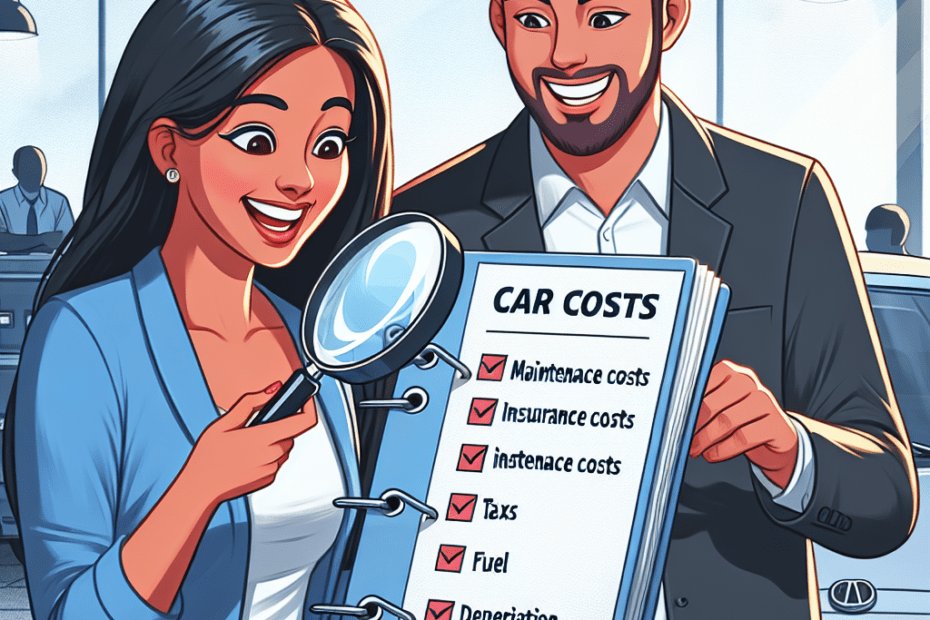
While used cars depreciate slower than new ones initially, they still lose value rapidly after purchase. Dealers tout “low mileage” deals, but hidden factors like market saturation or model-specific issues can tank resale value. Kelley Blue Book reports that cars over five years old depreciate 15–20% per year. If you buy a three-year-old sedan for $20,000, it might fetch only $12,000 in two years.
Neglected maintenance history or accident reports buried in Vehicle History Reports (VHR) further diminish worth. Always check services like Carfax or AutoCheck ($40–$50), as undisclosed flood damage or odometer rollback can halve your investment. Electric used cars face battery degradation, costing $5,000–$15,000 to replace, slashing resale by 30% per Recurrent Auto studies.
Higher Insurance Premiums
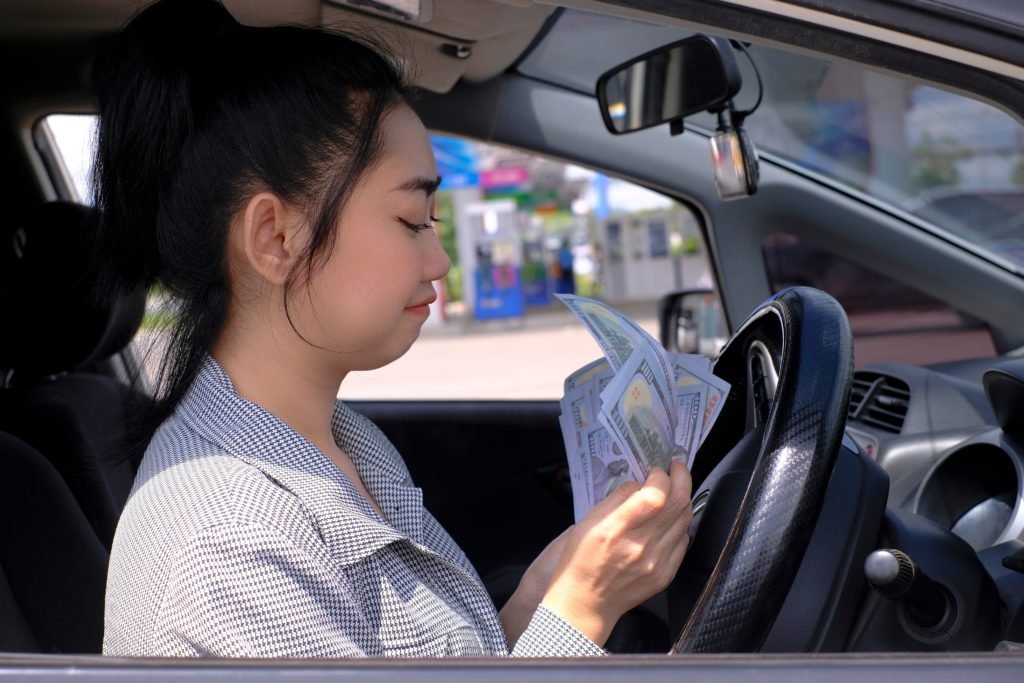
Insurance is a stealthy used car buying cost dealers ignore. Premiums depend on vehicle age, make, model, and safety features. Older cars lack modern tech like automatic emergency braking, leading to 10–25% higher rates, per Insurance Institute for Highway Safety (IIHS) data. A mid-size SUV might jump from $1,200/year for a new model to $1,600 for a used one.
Repair costs for discontinued parts inflate claims too. If your 2015 Honda Accord needs a fender replaced, scarcity drives up prices. Comprehensive coverage for high-theft models like Jeep Wranglers adds $300–$500 annually. Shop quotes from multiple providers before buying—tools like The Zebra can save hundreds.
Fuel Efficiency and Ownership Expenses
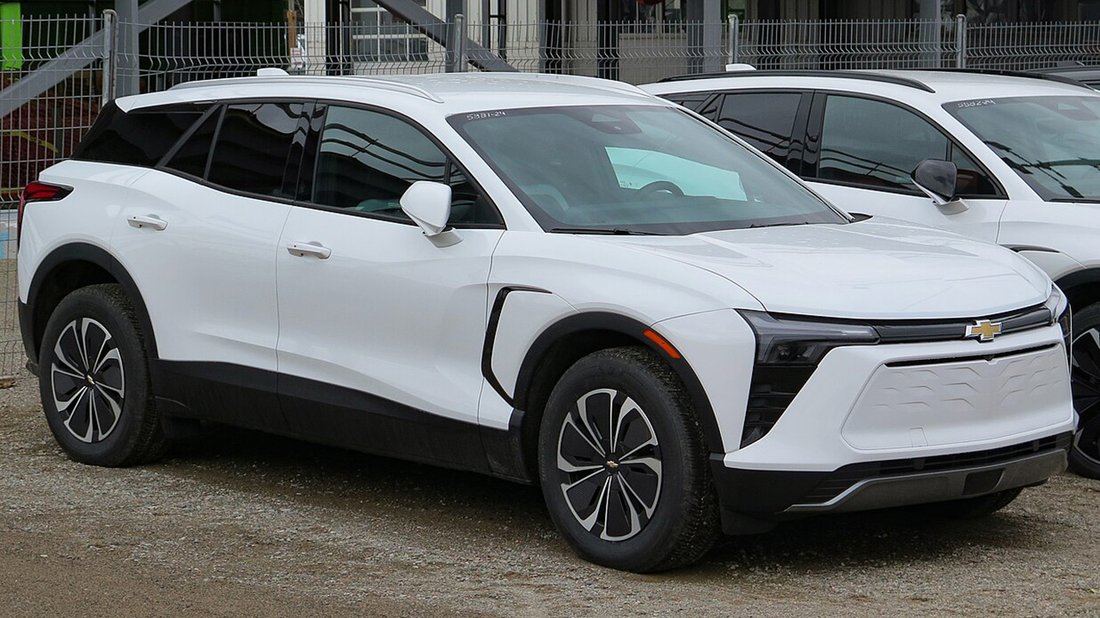
Fuel costs sneak up on used car buyers. Dealers focus on MPG ratings, but real-world efficiency drops 10–20% in older engines due to clogged injectors or faulty sensors. EPA tests don’t account for your driving habits or poor maintenance. A car rated at 30 MPG might deliver 25, costing an extra $300–$500 yearly at $3.50/gallon.
Hybrids and EVs have battery health issues; a degraded pack reduces range, forcing more charging stops. Add premium fuel requirements for some turbocharged used luxury cars, bumping costs 20%. Track actual MPG with apps like Fuelly to avoid surprises.
Registration, Taxes, and Dealer Fees
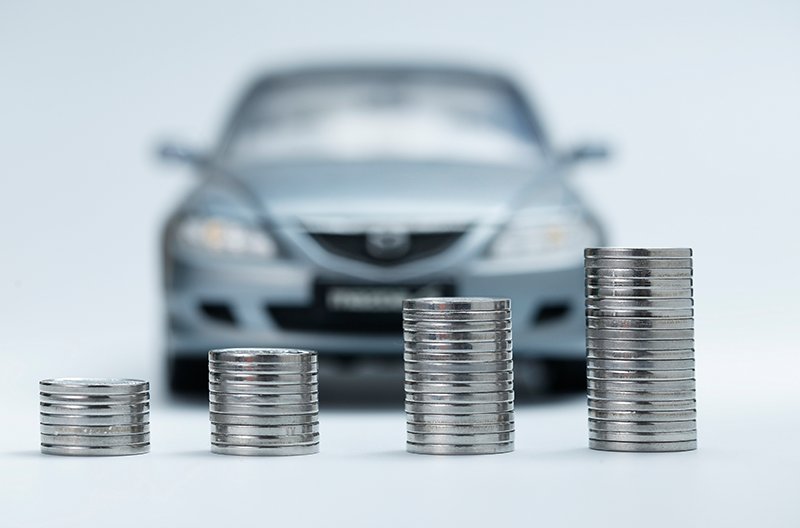
Dealerships pad the bill with hidden fees like documentation ($200–$500), prep ($300+), and advertising surcharges. These “unavoidable” charges vary by state but average $1,000 nationwide, per Edmunds research. Sales tax on used cars often matches new ones (6–10%), plus registration renewals ($50–$200/year).
Emissions testing ($20–$50) fails frequently for older vehicles, requiring costly fixes. Title transfer fees and liens from previous owners add delays and dollars. Negotiate fees upfront—many are negotiable or waivable.
Financing Traps and Interest Rates

If financing, used car loans carry higher APRs: 6–12% vs. 3–6% for new cars, per Experian. On a $15,000 loan at 9% over 60 months, interest totals $3,200. Dealers push in-house financing with teaser rates that balloon via add-ons like gap insurance ($500–$1,000).
Lower credit scores? Rates soar to 15%+, doubling payments. Pre-approve from banks or credit unions for leverage. Avoid yo-yo financing where dealers “repossess” paperwork to hike rates post-sale.
Warranty Gaps and Extended Coverage Rip-Offs
Certified Pre-Owned (CPO) programs sound great but cost $1,000–$3,000 extra with deductibles ($100–$500/claim). Exclusions for wear items abound. Third-party warranties? Often denied claims; Consumer Federation of America notes 60% dissatisfaction.
Budget $2,000–$5,000 over three years for self-insured repairs. True warranties from manufacturers offer best value.
Time and Opportunity Costs
Beyond dollars, time drains: hunting deals (20+ hours), inspections, DMV runs. Downtime from breakdowns costs $50–$100/day in rentals. Reliability ratings from J.D. Power predict headaches—avoid bottom models.
How to Avoid These Hidden Costs
Mitigate risks with a 150-point inspection, full VHR, test drives, and personal mechanic review. Use pricing tools like TrueCar. Buy CPO from reputable dealers. Maintain diligently from day one. Calculate total ownership cost (TCO) via Edmunds calculator, including all factors over five years.
In summary, while used cars save upfront, hidden costs of buying a used car like repairs ($2,000+), insurance hikes ($400/year), and fees ($1,000) can total $5,000–$10,000 extra in year one. Research thoroughly—your wallet will thank you. (Word count: 1,248)