
How to Choose the Right Skincare Routine for Sensitive Skin and Rosacea: A Complete Guide
Sensitive skin and rosacea can make finding the perfect skincare routine feel like navigating a minefield. Redness, irritation, flushing, and flare-ups are common challenges that affect millions worldwide. But with the right approach, you can soothe your skin, reduce symptoms, and build a routine that works harmoniously with your skin’s needs. This comprehensive guide explores how to choose the right skincare routine for sensitive skin and rosacea, focusing on gentle, effective strategies backed by dermatological insights. Whether you’re dealing with occasional sensitivity or chronic rosacea, these tips will help you achieve calmer, healthier skin.
Understanding Sensitive Skin and Rosacea
Feature Video
Sensitive skin reacts more intensely to environmental factors, products, or stress, often showing signs like itching, stinging, or redness. Rosacea, a chronic inflammatory condition, amplifies these issues with visible blood vessels, papules, and persistent flushing, primarily on the face. Triggers include sun exposure, spicy foods, alcohol, heat, and harsh skincare ingredients. According to the National Rosacea Society, over 16 million Americans live with rosacea, and sensitive skin affects up to 50% of the population.
Choosing a routine starts with identifying your skin type. Sensitive skin with rosacea is typically dry or combination, with a compromised barrier function that lets irritants penetrate easily. Prioritize barrier repair and anti-inflammatory ingredients. Consult a dermatologist for diagnosis, as rosacea mimics conditions like acne or eczema. A patch test and medical history review ensure your routine targets root causes, not just symptoms.
Key Principles for Skincare Routines Tailored to Sensitive Skin and Rosacea
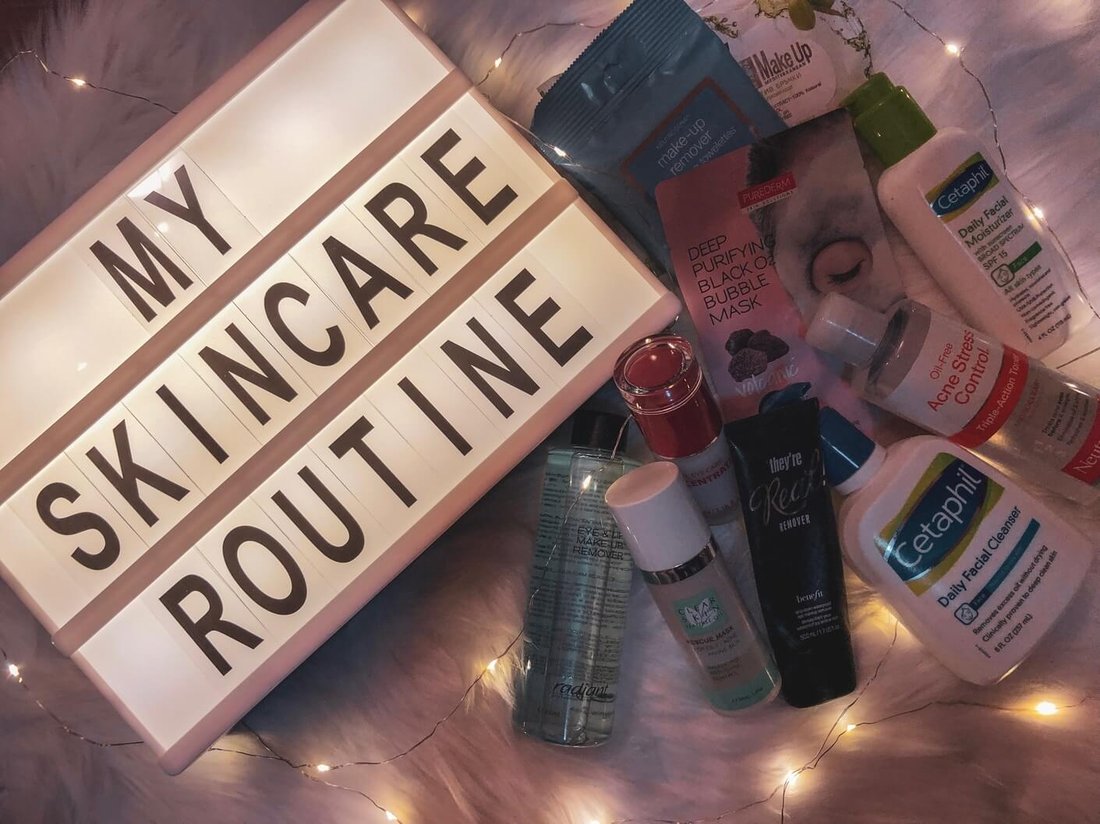
The golden rules? Simplicity, gentleness, and consistency. Limit your routine to 3-5 essential steps to avoid overwhelming your skin. Opt for fragrance-free, non-comedogenic, hypoallergenic products labeled for sensitive or rosacea-prone skin. pH-balanced formulas (around 5.5) mimic the skin’s natural acidity, preserving the microbiome.
Patch testing is crucial: Apply new products behind the ear or inner arm for 48-72 hours. Introduce one product at a time, every 1-2 weeks. Track reactions in a journal, noting triggers like weather or diet. Hydration is key—dehydrated skin worsens sensitivity. Use lukewarm water for cleansing, and pat dry gently instead of rubbing. Consistency yields results in 4-6 weeks, so patience is essential.
Ingredients to Avoid in Sensitive Skin and Rosacea Products

Harsh chemicals exacerbate flare-ups. Steer clear of alcohol (denatured or SD alcohol), which dries and irritates. Fragrances, dyes, and essential oils like peppermint or citrus trigger reactions in 30-50% of rosacea patients. Sulfates (e.g., sodium lauryl sulfate) in cleansers strip natural oils, weakening the barrier.
Exfoliants like AHAs (glycolic acid), BHAs (salicylic acid), or physical scrubs cause micro-tears. Menthol, camphor, and witch hazel provide cooling but inflame rosacea. Parabens and formaldehyde-releasing preservatives may sensitize skin over time. Always check labels—terms like “parfum” hide allergens. For rosacea, avoid cinnamaldehyde in cinnamon-derived products and niacinamide in high concentrations if it stings.
Best Ingredients for Soothing Sensitive Skin and Rosacea

Seek calming, reparative heroes. Niacinamide (in low 4-5% concentrations) reduces redness and inflammation without irritation. Centella asiatica (cica) heals and strengthens the barrier. Ceramides, cholesterol, and fatty acids restore lipids, combating dryness.
Aloe vera, chamomile, and green tea polyphenols offer anti-inflammatory antioxidants. Hyaluronic acid hydrates deeply without greasiness. Azelaic acid (10-15%) treats rosacea papules mildly. Peptides boost collagen gently. For sun protection, mineral sunscreens with zinc oxide or titanium dioxide reflect UV rays without chemical absorption. Look for “rosacea-friendly” certifications from organizations like the National Eczema Association.
Building Your Morning Skincare Routine

Start simple: Cleanse with a creamy, non-foaming cleanser like those with oat extract to remove overnight buildup gently. Follow with a lightweight serum containing niacinamide or centella for calming. Apply a ceramide-rich moisturizer to lock in hydration.
Sunscreen is non-negotiable—rosacea worsens with UV exposure. Choose SPF 30+ broad-spectrum mineral formulas, tinted for coverage. Reapply every 2 hours outdoors. Total time: 5 minutes. This routine protects the barrier, prevents triggers, and preps for makeup if needed. For oily-sensitive types, gel moisturizers work best.
Crafting an Effective Evening Routine

Nighttime focuses on repair. Double-cleanse if wearing sunscreen/makeup: micellar water first, then a balm cleanser. A soothing toner with allantoin preps skin. Layer a hyaluronic acid serum, followed by a thicker moisturizer or occlusive like squalane.
Twice weekly, incorporate a gentle mask with aloe or honey. Avoid actives like retinol—substitute bakuchiol if tolerated. End with a barrier cream. This rebuilds while you sleep, reducing morning redness. Adjust for seasons: richer in winter, lighter in summer.
The Role of Sunscreen in Rosacea Management

UV rays dilate vessels, triggering flares. Mineral sunscreens are ideal as they sit on skin, not penetrating. Zinc oxide soothes, while titanium dioxide blocks UVA/UVB. Avoid chemical filters like oxybenzone, which irritate. Water-resistant, matte finishes suit rosacea.
Apply generously (1/4 tsp for face). Hats and shade complement protection. Studies show daily SPF halves rosacea severity over time.
Patch Testing, Product Introduction, and Customization

Patch test rigorously. Introduce gradually: cleanser week 1, moisturizer week 2. Customize by subtype—erythematotelangiectatic rosacea needs vascular calmers; papulopustular benefits from azelaic acid.
Age, hormones, and climate influence needs. Men may prefer oil-free; pregnancy-safe options exclude retinoids. Apps like Think Dirty scan ingredients for safety.
Lifestyle Tips to Complement Your Skincare Routine

Skincare alone isn’t enough. Avoid triggers: spicy foods, hot drinks, alcohol, saunas. Stress management via yoga reduces cortisol-induced flushing. Gentle exercise like walking beats high-intensity workouts.
Humidifiers combat dry air; silk pillowcases minimize friction. Probiotic-rich diets support gut-skin axis. Sleep 7-9 hours. These habits amplify routine efficacy, preventing 70% of flares per research.
When to Consult a Dermatologist
If OTC routines fail after 8 weeks, or symptoms worsen (eye involvement, thickening skin), seek professional help. Prescription topicals like metronidazole, ivermectin, or brimonidine gels target inflammation. Lasers (PDL) shrink vessels effectively.
Dermatologists tailor routines, ruling out allergies. Telemedicine options exist for convenience.
Sample Product Recommendations and Routines
For budget: CeraVe Hydrating Cleanser, La Roche-Posay Toleriane Moisturizer, Vanicream Sunscreen. Mid-range: Avene Tolerance line, Paula’s Choice Calm serums. Luxury: Drunk Elephant B-Hydra, La Mer The Moisturizing Soft Cream (test first).
Sample routine: AM – Gentle cleanser, niacinamide serum, ceramide moisturizer, mineral SPF. PM – Cleanser, hyaluronic serum, repair cream. Adapt as needed.
Conclusion: Empower Your Skin with the Right Routine
Choosing a skincare routine for sensitive skin and rosacea demands research, patience, and minimalism. Focus on barrier support, trigger avoidance, and soothing ingredients for lasting relief. Track progress, adjust seasonally, and partner with professionals. With these strategies, enjoy radiant, flare-free skin. Start today—your complexion will thank you.
(Word count: 1217)