
10 Psychological Tricks to Build Instant Rapport in Any Job Interview
In the high-stakes world of job interviews, building instant rapport can be the difference between landing your dream job and walking away empty-handed. Rapport is that magical connection that makes interviewers feel comfortable, understood, and even excited about you as a candidate. But what if you could hack the psychology behind human interactions to create this bond effortlessly? Psychological tricks, rooted in proven principles like mirroring, reciprocity, and social proof, can help you forge genuine connections in minutes.
This article reveals 10 powerful psychological tricks to build instant rapport in any job interview. Optimized for success, these strategies draw from cognitive science, NLP (Neuro-Linguistic Programming), and behavioral psychology. Whether you’re interviewing for a corporate role, creative position, or entry-level gig, mastering these will boost your confidence and make you unforgettable. Let’s dive into the top 10 techniques that interviewers won’t see coming—but will love.
1. Master the Art of Mirroring
Feature Video
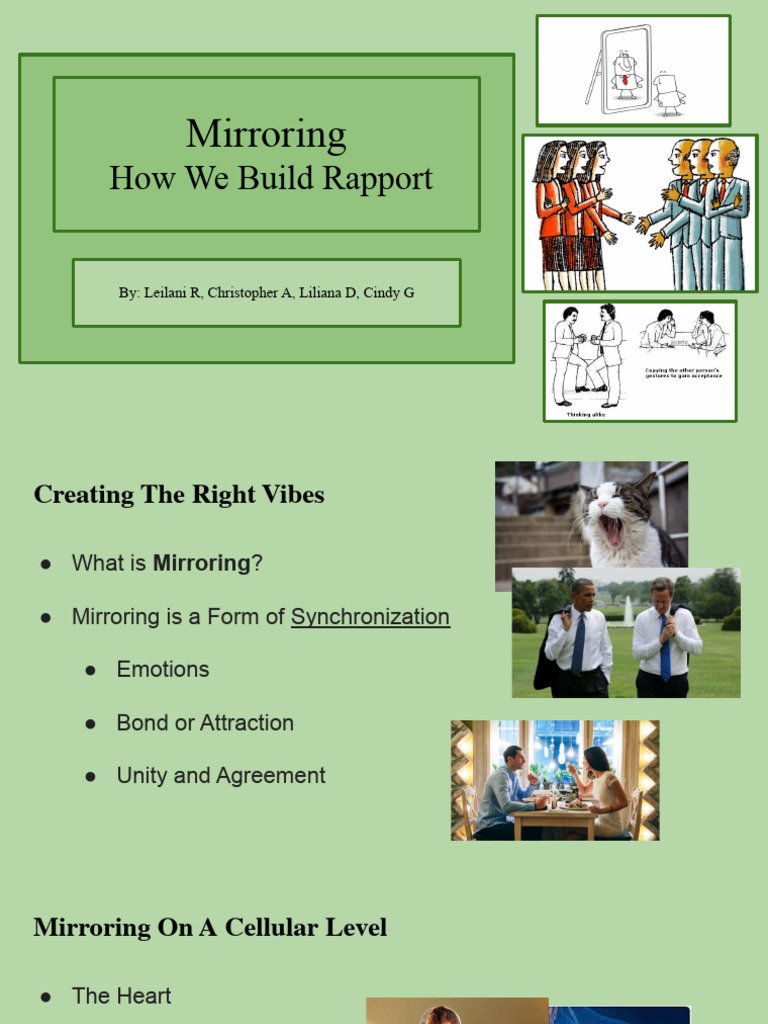
Mirroring, or the chameleon effect, is one of the most potent psychological tricks for building rapport. Subtly mimic your interviewer’s body language, posture, gestures, and even speech patterns without being obvious. If they lean forward, do the same after a few seconds. Research from the Journal of Personality and Social Psychology shows that people like those who mirror them because it triggers subconscious feelings of similarity and trust.
In a job interview, start by matching their sitting position or hand movements. Speak at a similar pace and tone. This non-verbal mimicry activates mirror neurons in the brain, fostering empathy and connection. Avoid overdoing it—subtlety is key to avoid seeming insincere. Practice in front of a mirror or with a friend to perfect this. Result? Instant rapport that makes them feel you’re “on the same wavelength.”
2. Use Their Name Strategically
The power of a name is profound; Dale Carnegie nailed it in “How to Win Friends and Influence People.” Repeating the interviewer’s name throughout the conversation builds familiarity and respect. Say, “That’s a great question, Sarah,” or “I appreciate your insight, Sarah.” This psychological trick leverages the brain’s preference for personalized attention, releasing dopamine and enhancing positive associations.
In interviews, note their name from the start and use it 3-5 times naturally. It signals attentiveness and makes the interaction feel personal. Studies from University College London confirm that hearing one’s name activates unique brain areas, increasing engagement. Pair it with eye contact for amplified effect. This simple habit can transform a formal interview into a friendly chat, skyrocketing your likability.
3. Establish Strong Eye Contact with the Triangle Technique
Eye contact is rapport rocket fuel, but the right amount matters. Use the “triangle technique”: alternate gaze between their left eye, right eye, and mouth. This mimics natural conversation patterns and conveys confidence without intimidation. Harvard research links consistent eye contact to higher perceived trustworthiness and competence in professional settings.
Avoid staring—hold for 3-5 seconds, then glance away briefly. In virtual interviews, look at the camera. This trick builds instant rapport by signaling honesty and interest. Interviewers subconsciously mirror your gaze, creating mutual engagement. Pro tip: If they’re avoiding eyes, ease up to match their comfort level.
4. Smile Genuinely and Use the Duchenne Smile
A genuine smile, known as the Duchenne smile (involving eyes crinkling), triggers mirror neurons and releases oxytocin—the “bonding hormone.” UCLA studies show smilers are rated 20% more likable and competent. In job interviews, smile within the first 30 seconds and during positive responses.
Practice authenticity; fake smiles are detectable via micro-expressions. Smile while nodding to answers, saying, “I love that approach.” This psychological trick diffuses tension, making you approachable. Even in tough interviews, it reframes your energy positively, building rapport effortlessly.
5. Practice Active Listening with Paraphrasing

Active listening isn’t passive—it’s a rapport superpower. Paraphrase their questions: “So, you’re asking about my experience with team leadership?” This validates their words, showing deep understanding. Psychological studies from Princeton highlight that feeling “heard” boosts trust exponentially.
Nod occasionally and use fillers like “I see” or “That’s interesting.” Limit interruptions. In interviews, this positions you as empathetic and thoughtful, key traits employers seek. Rapport builds as they feel valued, opening doors for better dialogue.
6. Find and Highlight Common Ground

Similarity bias is hardwired; we like people like us. Scan for shared interests—LinkedIn profiles, office decor, or alma maters. Casually mention, “I noticed we’re both Badgers alumni—that Wisconsin spirit helped me thrive in teams.”
Cialdini’s principles of persuasion confirm commonality fosters liking. In interviews, weave in 1-2 genuine similarities without forcing it. This psychological trick accelerates bonding, making them envision you fitting in culturally.
7. Leverage the Power of Positive Body Language
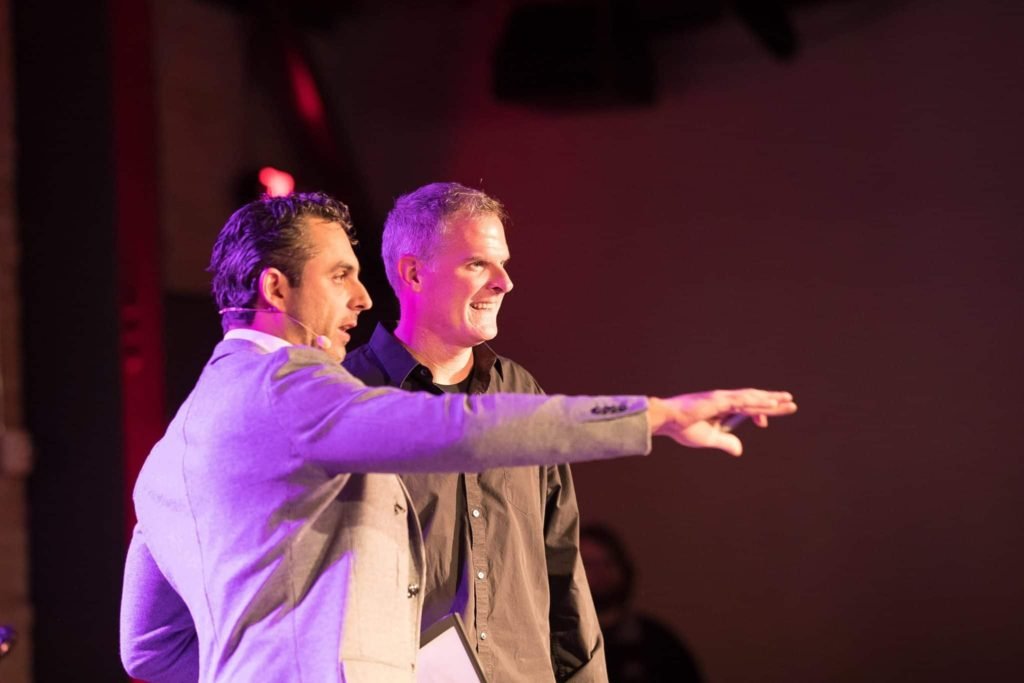
Open postures—uncrossed arms, palms up, feet forward—signal trustworthiness. Amy Cuddy’s power posing research shows expansive stances boost testosterone and confidence, which interviewers pick up subconsciously.
Enter with a firm handshake (or virtual equivalent), sit upright, and lean slightly forward. Mirror their openness. This non-verbal rapport builder conveys enthusiasm and reliability, essential for job success.
8. Employ Reciprocity with Small Gestures
Reciprocity dictates we repay favors. Offer value first: “Here’s a quick tip from my last role that might help.” Or compliment genuinely: “Your team’s innovative projects inspired me to apply.”
Robert Cialdini’s work proves this triggers obligation and goodwill. In interviews, it shifts dynamics from interrogator-interviewee to collaborators, building instant rapport.
9. Nod and Use Affirmative Cues
Nodding subconsciously encourages speakers, per social psychology. Nod 2-3 times during their talk—it signals agreement and attentiveness, prompting them to share more.
Combine with “uh-huh” or smiles. Studies show nodders are perceived as more agreeable. This trick keeps conversations flowing positively, enhancing connection.
10. Tell Relatable Stories with Emotional Hooks
Stories engage the brain’s emotional centers 22x more than facts, per Stanford research. Share concise STAR-method anecdotes tying challenges to successes, evoking empathy.
“Like when our team faced a deadline crunch—mirroring your scenario here…” This builds rapport by humanizing you and demonstrating fit. End with a question to continue dialogue.
Conclusion: Seal the Deal and Follow Up
Integrate these 10 psychological tricks seamlessly for transformative interview results. Practice via mock sessions to internalize them. Post-interview, send a thank-you email recapping a shared point: “Sarah, loved discussing our Badger connection—excited about contributing.”
Building instant rapport isn’t manipulation; it’s authentic connection science. Master these, and you’ll not only ace interviews but thrive professionally. Keywords like “job interview rapport tricks” lead seekers here—share this for career wins! (Word count: 1,248)