
10 Interior Design Mistakes Making Your Small Apartment Look Even Smaller
10 Interior Design Mistakes Making Your Small Apartment Look Even Smaller
Living in a small apartment comes with its own set of challenges, especially when it comes to interior design. The goal is often to make the space feel larger, more open, and inviting. However, many well-intentioned design choices can inadvertently make your small apartment look even smaller. From cluttered surfaces to poor lighting choices, these common pitfalls can shrink your perceived square footage overnight. In this comprehensive guide, we’ll explore 10 interior design mistakes that make small apartments look cramped and provide actionable tips to reverse them. By avoiding these errors, you can transform your cozy nook into a spacious sanctuary. Whether you’re a renter or homeowner, mastering small space design is key to maximizing comfort and style.
1. Overloading with Dark Colors
Feature Video
Dark colors like deep navy, charcoal gray, or black may feel sophisticated, but in small apartments, they absorb light and make walls feel like they’re closing in. This classic mistake reduces visual space, creating a cave-like atmosphere. Instead, opt for light, neutral palettes such as soft whites, beiges, or pastels. These hues reflect light, making rooms appear airy and expansive. For accents, introduce darker shades sparingly through furniture or artwork. Painting ceilings a shade lighter than walls draws the eye upward, enhancing height perception. A simple repaint can instantly add inches to your space—proving that color is one of the most powerful tools in small apartment interior design.
2. Ignoring Vertical Space
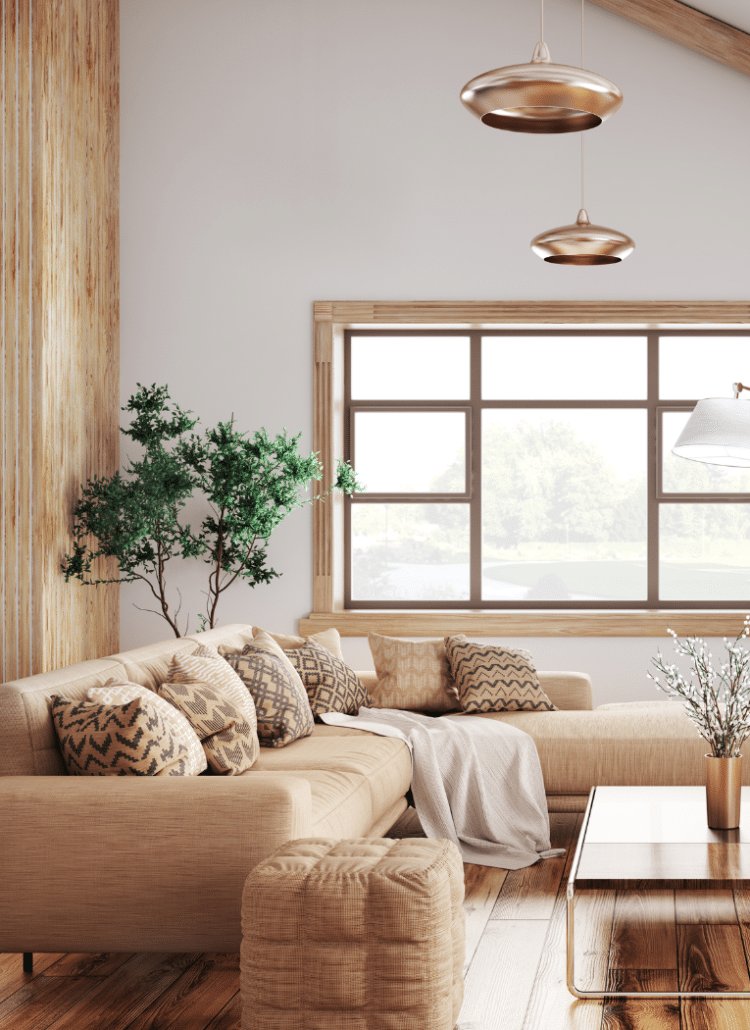
Failing to utilize vertical space is a huge oversight in compact living. Floor-to-ceiling clutter on surfaces leaves walls bare and underused, emphasizing the room’s small footprint. Tall bookshelves, wall-mounted shelves, or hanging cabinets draw the eye upward, creating an illusion of grandeur. Install pegboards or floating shelves for storage without sacrificing floor area. In kitchens, magnetic knife strips or overhead pot racks free up counters. This vertical strategy not only organizes but also elongates the room visually. Remember, in small apartment design, every inch counts—going up is your best friend for breathing room.
3. Choosing Bulky Furniture
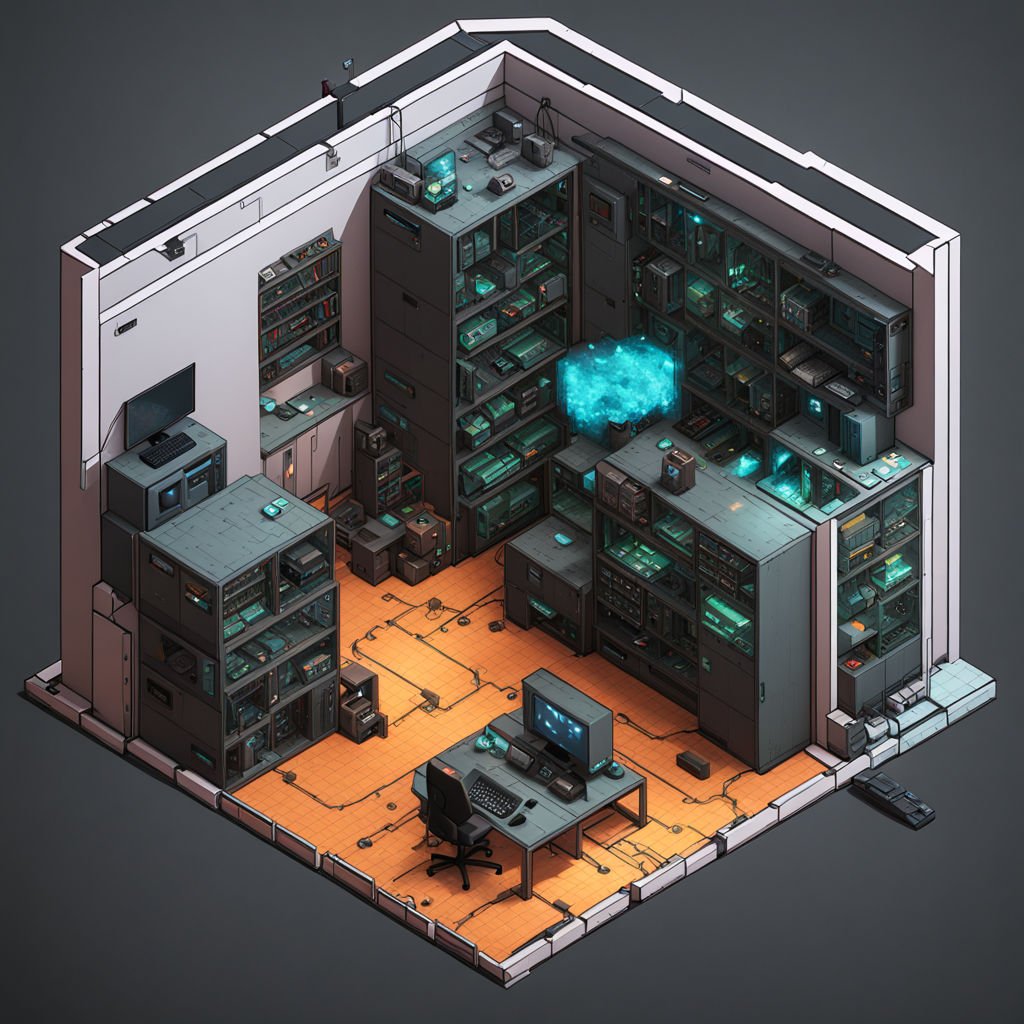
Bulky sofas, oversized armchairs, or massive coffee tables dominate small apartments, blocking pathways and overwhelming the layout. These pieces eat up precious floor space, making movement feel restricted. Scale down with streamlined, multifunctional furniture like loveseats, ottomans with storage, or nesting tables. Transparent acrylic chairs or glass-top tables maintain openness. Measure your space meticulously before buying—aim for pieces that fit with at least 18-24 inches of walkway clearance. Slim-profile options from brands like IKEA or West Elm are budget-friendly winners for small space living.
4. Cluttered Horizontal Surfaces
Horizontal surfaces like coffee tables, counters, and nightstands become magnet for knick-knacks, turning tidy spaces into chaos. Clutter visually multiplies objects, shrinking the room exponentially. Adopt a “one-in, one-out” rule and use baskets or trays for corralling essentials. Opt for furniture with built-in storage to hide daily items. In bedrooms, under-bed drawers conquer mess without wall units. A clutter-free surface reflects light better, amplifying spaciousness. Regular decluttering sessions keep your small apartment looking polished and larger than life.
5. Heavy, Opaque Window Treatments
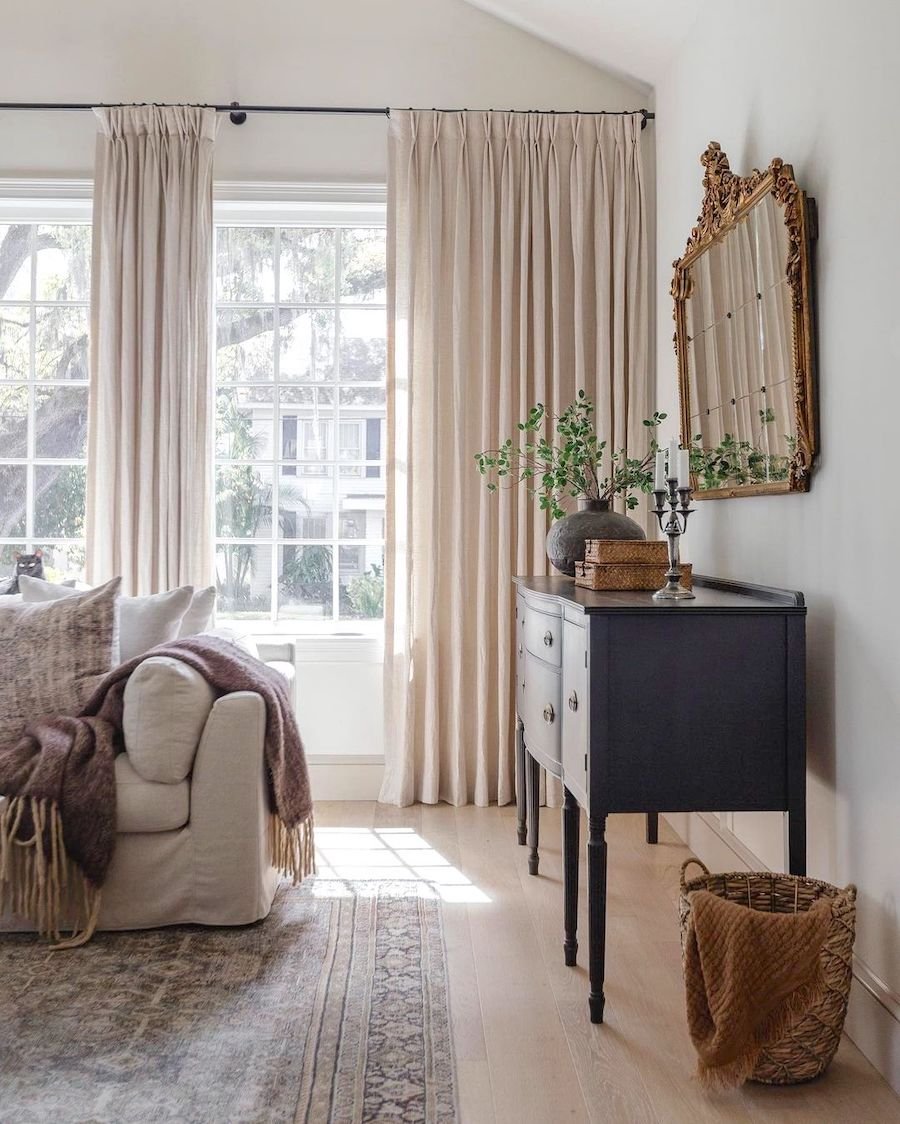
Thick drapes or blackout curtains block natural light, a vital element for making small apartments feel bigger. These treatments cast shadows and compress the space. Switch to sheer curtains, Roman shades, or minimalist blinds in light fabrics that filter light softly. Floor-length panels in whites or linens elongate windows, tricking the eye into seeing taller ceilings. For privacy, layer with cellular shades. Maximizing daylight creates depth and openness, essential for small space interior design success.
6. Mismatched or Busy Patterns
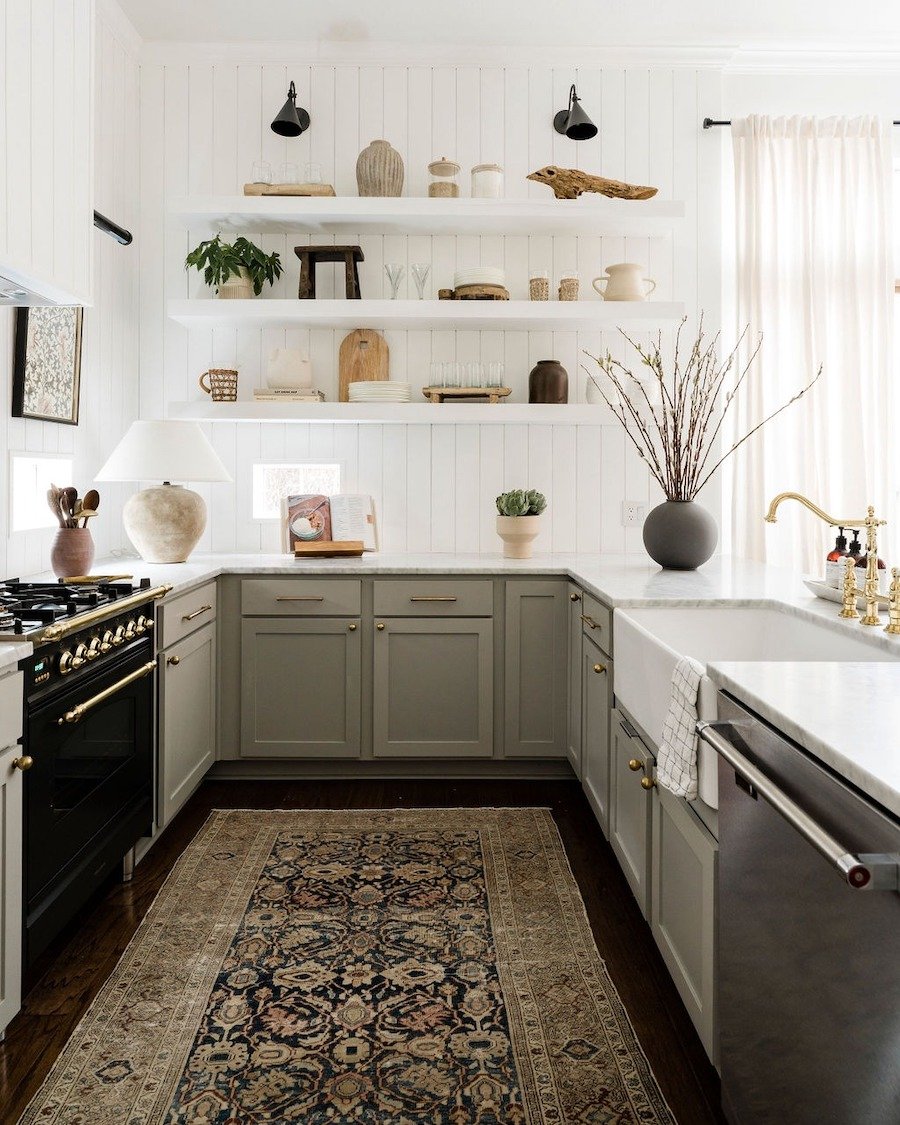
Clashing patterns or overly bold prints on rugs, upholstery, and walls create visual noise, fragmenting the space and making it feel chaotic and smaller. Stick to a cohesive scheme with two to three complementary patterns in similar scales. Solids or subtle textures unify the room. Large-scale patterns on one focal wall can expand perception if used judiciously. In small apartments, less is more—harmony breeds expansiveness.
7. Poor Lighting Choices
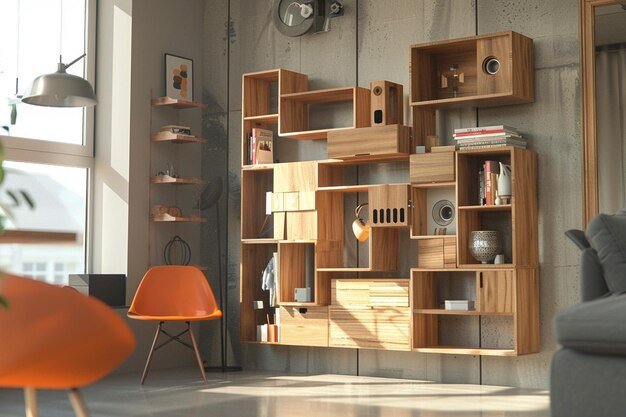
Relying solely on a single overhead fixture casts harsh shadows and flattens the room, emphasizing its smallness. Layer lighting: ambient (ceiling), task (desklamp), and accent (floor lamps or LEDs). Dimmers and warm bulbs (2700K) add coziness without bulk. Wall sconces save floor space, while mirrors opposite lights bounce illumination. Strategic lighting defines zones and multiplies light, a game-changer for cramped quarters.
8. Ignoring Mirrors and Reflective Surfaces
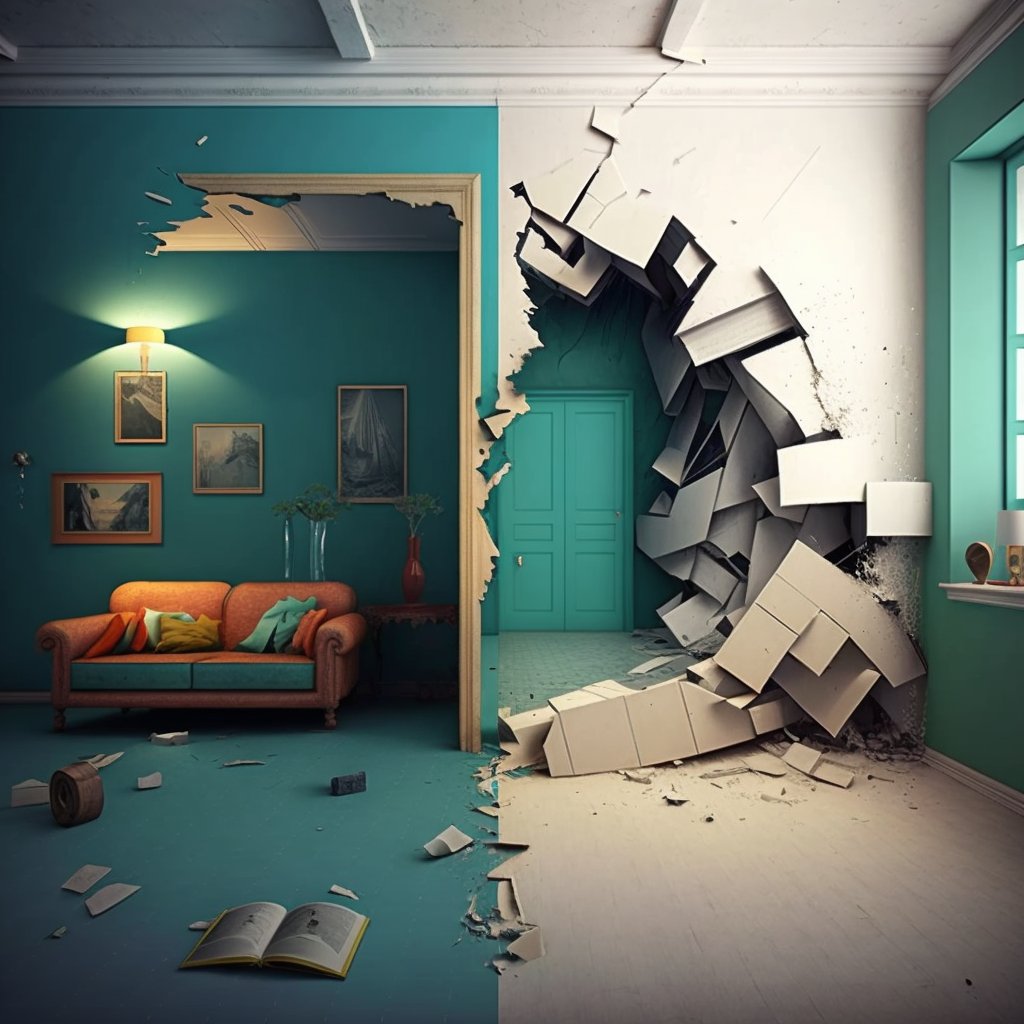
Not incorporating mirrors is a missed opportunity—mirrors reflect light and duplicate space visually. A large mirror opposite a window doubles incoming light, while leaning floor mirrors add depth. Avoid tiny, scattered ones; go for statement pieces like full-length or oversized. Metallic accents on furniture reflect subtly. This reflective trick is a staple in small apartment hacks for instant enlargement.
9. Too Many Small Rugs

Multiple tiny rugs chop up the floor, making rooms feel disjointed and smaller. One large area rug under furniture anchors the space, unifying it visually. Choose rugs with light backgrounds and low piles for airflow. In studios, a single rug delineates living zones without walls. Proper rug sizing creates flow and perceived scale.
10. Lack of Multifunctional Pieces
Single-purpose items waste space in small apartments. Murphy beds, sofa beds, or extendable dining tables serve dual roles. Wall-mounted drop-leaf tables fold away, and stackable stools tuck neatly. Invest in ottomans with trays or desks that double as dressers. Multifunctionality streamlines living, freeing area for openness.
In conclusion, sidestepping these 10 interior design mistakes can dramatically enhance your small apartment’s appeal. Focus on light colors, verticality, scaled furniture, decluttering, smart lighting, and multifunctional elements. Implement one change at a time for big impact. With thoughtful tweaks, your petite pad will feel palatial. For more small space inspiration, explore minimalist trends and consult pros. Happy designing!