
How to Improve Your Credit Score from Poor to Excellent in Under 6 Months
Improving your credit score from poor to excellent in under six months is an ambitious but achievable goal with disciplined action. A poor credit score, typically below 580, limits access to loans, mortgages, and even rental agreements, while an excellent score above 800 unlocks the best rates and opportunities. Factors like payment history (35%), credit utilization (30%), length of credit history (15%), new credit (10%), and credit mix (10%) determine your FICO score. This guide outlines proven, step-by-step strategies to boost your score rapidly, focusing on high-impact actions that credit bureaus update monthly.
Step 1: Pull Free Credit Reports and Identify Issues
Feature Video
The first step to improve your credit score is obtaining your credit reports from Equifax, Experian, and TransUnion via AnnualCreditReport.com. Review them meticulously for errors such as incorrect late payments, duplicate accounts, or fraudulent activity. Inaccurate information can drag your score down unnecessarily. Dispute errors online or by mail; the Fair Credit Reporting Act mandates bureaus investigate within 30 days. Many consumers find and fix mistakes that raise scores by 20-100 points quickly. Track disputes with certified mail for proof. This foundational step sets the stage for faster improvements, as corrected reports reflect positive changes sooner.
Step 2: Prioritize On-Time Payments
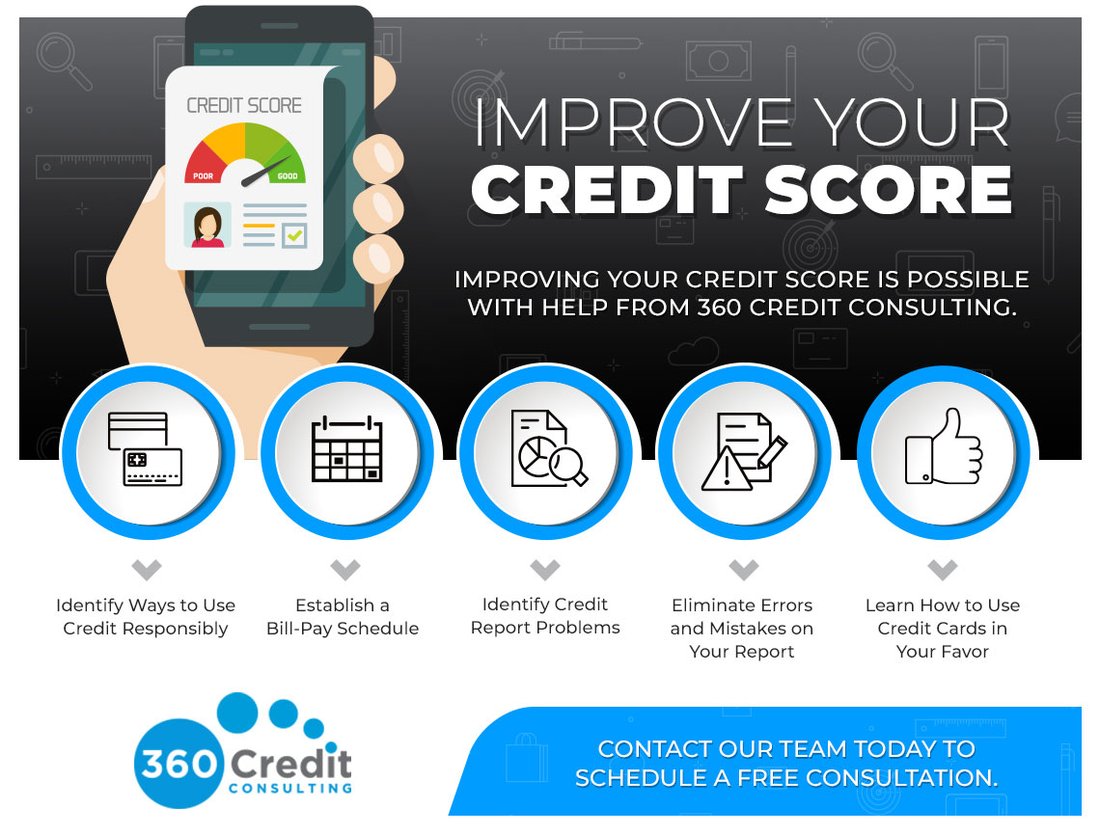
Payment history is the largest factor in your credit score. Late payments stay on your report for seven years, but recent good behavior weighs more heavily. Set up autopay for all bills—credit cards, utilities, loans—to ensure zero misses. If behind, negotiate payment plans with creditors; goodwill letters requesting removal of past lates can work for one-off issues. Aim for six months of perfect payments; scoring models reward consistency, potentially adding 50-100 points. Use apps like Mint or Credit Karma for reminders. Consistent on-time payments signal reliability to lenders, accelerating your journey from poor to excellent credit.
Step 3: Lower Credit Utilization Below 30%
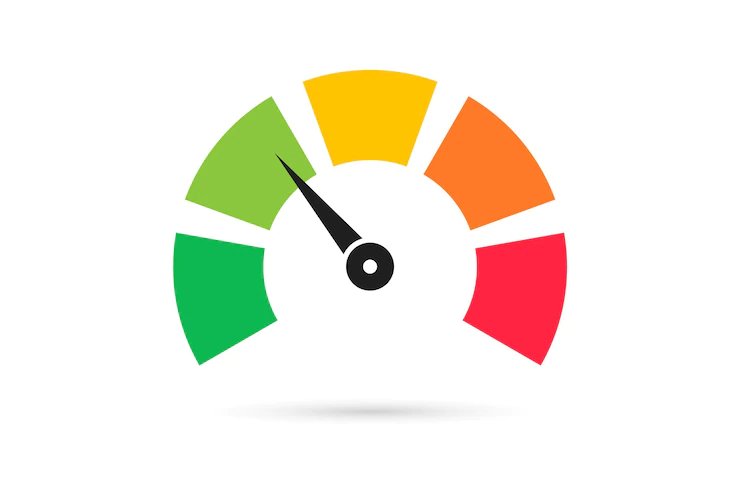
Credit utilization measures debt versus available credit; keep it under 30%, ideally 10%, for optimal scores. If maxed out, pay down balances aggressively—focus on cards with highest utilization first. Request credit limit increases on low-utilization accounts (avoid new applications). For example, $3,000 debt on $10,000 limit is 30%; paying to $2,000 drops it to 20%, boosting scores 30-60 points per cycle. Pay cards twice monthly to minimize reported balances. This quick win shows responsible management without new debt, vital for rapid credit score improvement.
Step 4: Pay Off Collections and Charge-Offs

Collections tank scores; resolve them promptly. Contact agencies to settle for less—many accept 40-60% of balances for “pay for delete” agreements (get in writing). Prioritize recent collections, as older ones hurt less. Secured credit cards or small loans paid perfectly can offset negatives. Post-resolution, scores can jump 50-100 points within months as bureaus update. Verify removals after 30-45 days. This step is crucial for moving from poor (under 580) toward fair (580-669) quickly.
Step 5: Become an Authorized User on a Strong Account

Leverage piggybacking: ask a trusted family member with excellent credit (long history, low utilization) to add you as an authorized user. Their positive history boosts yours instantly, adding 20-50 points. Ensure the primary account is seasoned (over 10 years) and well-managed. Not all issuers report authorized users (e.g., Amex does, some banks don’t), so confirm first. Remove yourself after six months if needed. This “quick fix” works best combined with personal improvements for sustainable gains toward excellent credit.
Step 6: Avoid New Credit Applications

Hard inquiries ding scores 5-10 points each and last two years. Space applications 6-12 months apart. If needing credit, use pre-qualify tools for soft pulls. Close unused accounts cautiously—too many open lines dilute history, but closing newest preserves age. Focus on existing accounts; patience here prevents setbacks, allowing other efforts to compound for 100+ point jumps in under six months.
Step 7: Build Positive Credit Mix with Secured Cards
Diversify with revolving (cards) and installment (loans) credit. Get a secured card from Discover or Capital One—deposit $200-500 as limit, use lightly, pay off monthly. Graduation to unsecured after 7-12 months builds history. Small credit-builder loans from Self or Kikoff report positives without high risk. A balanced mix adds 10-20% to scores, pushing from good (670-739) to very good (740-799) rapidly.
Step 8: Use Experian Boost or UltraFICO
Free tools like Experian Boost scan bank accounts for on-time utility, phone, and streaming payments, adding them to your FICO score—average 13-point increase, up to 100 for some. UltraFICO links checking accounts showing low balances and overdraft avoidance for boosts. Enroll via apps; results appear in days. These overlooked gems provide instant lifts for poor scores without traditional credit activity.
Step 9: Monitor Progress Monthly
Track via free services like Credit Karma (VantageScore) or official FICO apps. Scores update 30-45 days post-changes. Celebrate milestones: poor to fair in 1-2 months, good by month 4, excellent by 6. Adjust strategies based on reports—e.g., if utilization lingers, cut spending. Consistency yields compounding results; many achieve 200+ point gains with full adherence.
Step 10: Maintain Habits for Long-Term Excellence
Once excellent, sustain with low utilization (<10%), diverse accounts, and no lates. Rebuild emergency fund to avoid debt cycles. Scores stabilize higher with age. Consult NFCC counselors if overwhelmed. Realistic timelines: 100-150 points in 3 months, 200+ by 6 with perfect execution.
In summary, transforming poor to excellent credit in under six months demands focus on payments, utilization, disputes, and boosts. Dedicate 10-15 hours weekly initially; results compound. Track progress, stay patient—financial freedom awaits. Keywords like “raise credit score fast” and “fix bad credit” underscore urgency; implement today for tomorrow’s opportunities. (Word count: 1,248)