
The Truth About Electronic Waste and How to Recycle Properly
In today’s digital age, electronic devices are ubiquitous—from smartphones and laptops to old TVs and chargers cluttering our drawers. But what happens when these gadgets reach the end of their life? Electronic waste, or e-waste, has become a global crisis, with millions of tons discarded annually. This article uncovers the truth about electronic waste and provides a comprehensive guide on how to recycle properly. By understanding the facts and following best practices, you can minimize environmental harm and contribute to a sustainable future. Keywords like “e-waste recycling tips” and “proper electronic disposal” are essential for anyone looking to make an informed impact.
What is Electronic Waste?
Feature Video
Electronic waste refers to discarded electrical or electronic devices, including computers, mobile phones, televisions, batteries, appliances, and even accessories like headphones and cables. According to the United Nations, e-waste encompasses any product with a plug, battery, or cord that’s no longer wanted. The rapid pace of technological innovation exacerbates the problem: the average smartphone lifespan is just 2-3 years, leading to massive accumulation.
Globally, e-waste generation reached 62 million metric tons in 2022, equivalent to 1.55 million trucks circling the equator. Yet, only about 22.3% is formally recycled, per the Global E-waste Monitor. The rest ends up in landfills, incinerators, or informal dumping sites, releasing hazardous substances. Understanding electronic waste definition is the first step toward responsible management.
The Shocking Truth About E-Waste Statistics
Let’s dive into the numbers that reveal the scale of the e-waste epidemic. In 2022 alone, the world produced over 62 million tons of e-waste, up 82% from 2010, outpacing population growth. Asia leads as the largest generator, followed by the Americas and Europe. Valuable materials like gold, silver, copper, and rare earth metals—worth $91 billion in 2022—are lost when not recycled properly.
Recycling rates vary dramatically: Europe boasts 42.5%, while Africa and Oceania lag at under 1%. In the US, states like California mandate e-waste recycling, but nationally, only 15-20% is processed correctly. Informal recycling in developing countries, often involving child labor and toxic burning, recovers materials inefficiently while poisoning communities. These e-waste facts underscore the urgency: by 2030, annual e-waste could hit 82 million tons if trends continue.
Environmental and Health Impacts of Improper E-Waste Disposal
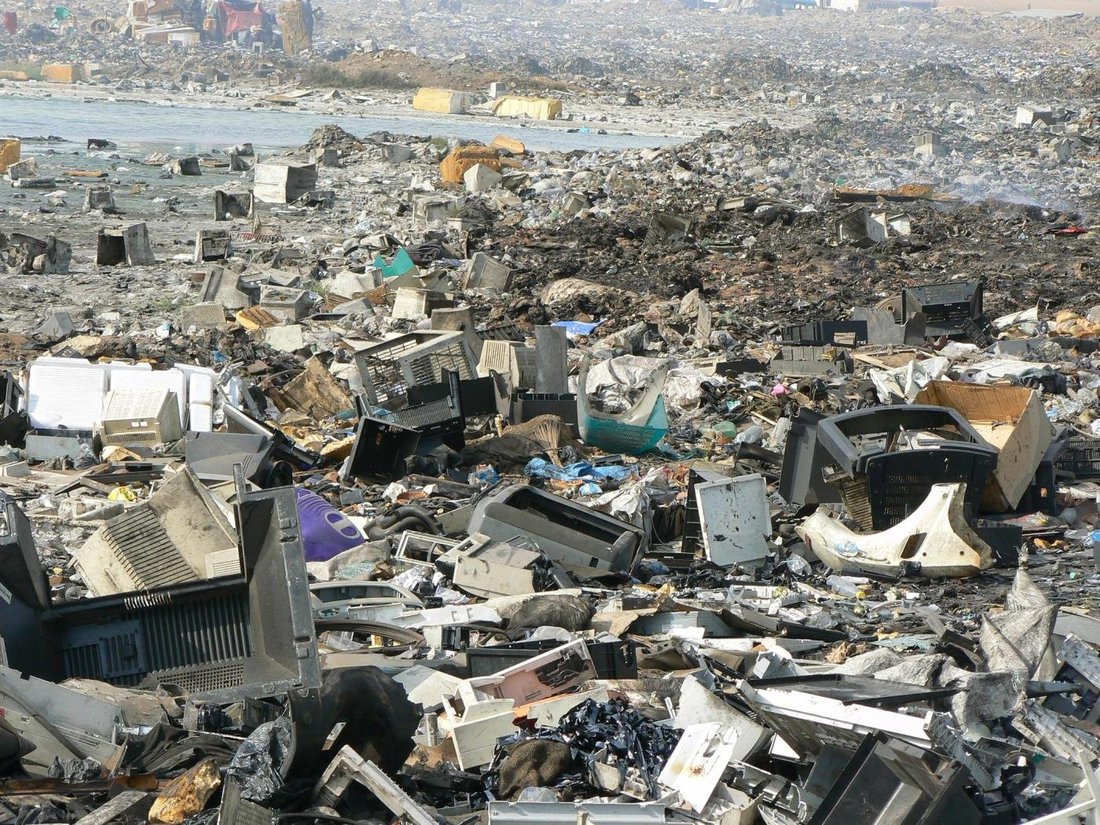
Throwing electronics in the trash is disastrous. E-waste contains over 1,000 toxic substances, including lead, mercury, cadmium, and brominated flame retardants. In landfills, these leach into soil and groundwater, contaminating ecosystems. Incineration releases dioxins and furans, potent carcinogens that persist in the environment.
Health effects are severe: exposure leads to neurological damage, respiratory issues, reproductive problems, and cancer. In places like Agbogbloshie, Ghana—a notorious e-waste dump—workers suffer high lead levels, causing developmental delays in children. Wildlife isn’t spared; birds and marine life ingest plastics and metals from discarded devices. Climate-wise, unrecycled e-waste misses opportunities to reduce mining demands, which emit massive CO2. Proper electronic waste recycling prevents these catastrophes, conserving resources and curbing pollution.
Common Myths About Electronic Waste Recycling
Myths perpetuate poor habits. One is that “landfills are safe for e-waste”—false, as toxins leach out. Another: “Old devices aren’t worth recycling”—yet they hold billions in recoverable metals. Some believe “any bin works,” ignoring that curbside trash bypasses specialized processing.
“Recycling is too complicated” is another misconception; certified programs make it simple. And contrary to belief, e-waste isn’t biodegradable—plastics and metals last centuries. Debunking these e-waste myths empowers consumers to act responsibly, ensuring devices are handled by professionals who dismantle, shred, and refine safely.
How to Recycle Electronics Properly: Step-by-Step Guide

Recycling e-waste correctly protects the planet and recovers valuables. Follow this step-by-step guide for how to recycle electronics properly:
- Backup and wipe data: Save important files, then factory reset devices. Use tools like DBAN for hard drives or iCloud for phones to erase personal info permanently.
- Assess usability: Donate working devices to charities like Goodwill or schools via platforms like Computers with Causes.
- Find certified recyclers: Look for R2 or e-Stewards certified facilities, ensuring ethical, environmentally sound practices. Avoid unverified “free pickup” scams that export to hazardous sites.
- Prepare items: Remove batteries if possible (recycle separately), tape ports to prevent shorts, and separate components like screens from casings if instructed.
- Drop off or mail: Use retailer take-back programs (Best Buy, Apple Store), municipal events, or mail-in services like Gazelle for payment on valuables.
- Verify compliance: Request certificates of destruction for sensitive data.
Household hazardous waste days or apps like iRecycle locate nearby spots. For businesses, comply with regulations like WEEE in Europe or state laws in the US.
Where to Find E-Waste Recycling Centers
Locating recyclers is easy with resources like Earth911.com, RecycleNation, or the EPA’s locator tool. Major chains—Staples, Office Depot, Apple—offer free drop-offs. Manufacturer programs (Samsung, Dell) provide free shipping labels. In the EU, WEEE compliance ensures nationwide access. Urban areas host annual collection events; rural folks use mobile units. Always confirm they handle your item type to avoid rejection.
The Benefits of Proper E-Waste Recycling

Recycling yields huge wins: it conserves energy (recycling aluminum saves 95% vs. mining), reduces landfill use, and creates jobs—over 500,000 globally in formal sectors. Economically, it taps $62.5 billion in materials yearly. Environmentally, it cuts emissions equivalent to removing 1 million cars annually. For you, it’s free, secure, and contributes to circular economies where devices are refurbished or repurposed.
The Future of Electronic Waste Management

Innovations promise progress: urban mining robots extract metals efficiently, blockchain tracks e-waste chains for transparency, and right-to-repair laws extend device life. Extended Producer Responsibility (EPR) shifts costs to manufacturers, boosting collection rates. By 2030, goals aim for 90% recycling via policies like the EU’s new regulations. Consumer awareness, driven by apps and education, will accelerate change.
In conclusion, the truth about electronic waste is stark—it’s a toxic tide we can stem through proper recycling. By following these steps, you reduce harm, recover treasures, and pave the way for sustainability. Start today: audit your gadgets, locate a recycler, and spread the word. Proper e-waste management isn’t just responsible—it’s essential for our planet’s health. (Word count: 1,248)